

Facelift Over 60: Fitness for Surgery, Realistic Goals and Recovery
Being over 60 does not rule out a facelift. Suitability depends on your general health and fitness for surgery, your skin and your goals, not on age alone. The assistant presents your photos and medical history to Op. Dr. Ahmet Dilber, and he examines you in person in Ataköy the day before surgery. The facelift takes 4 to 5 hours under general anaesthesia, with one night in hospital.
Send your photos on WhatsAppRead about the procedure

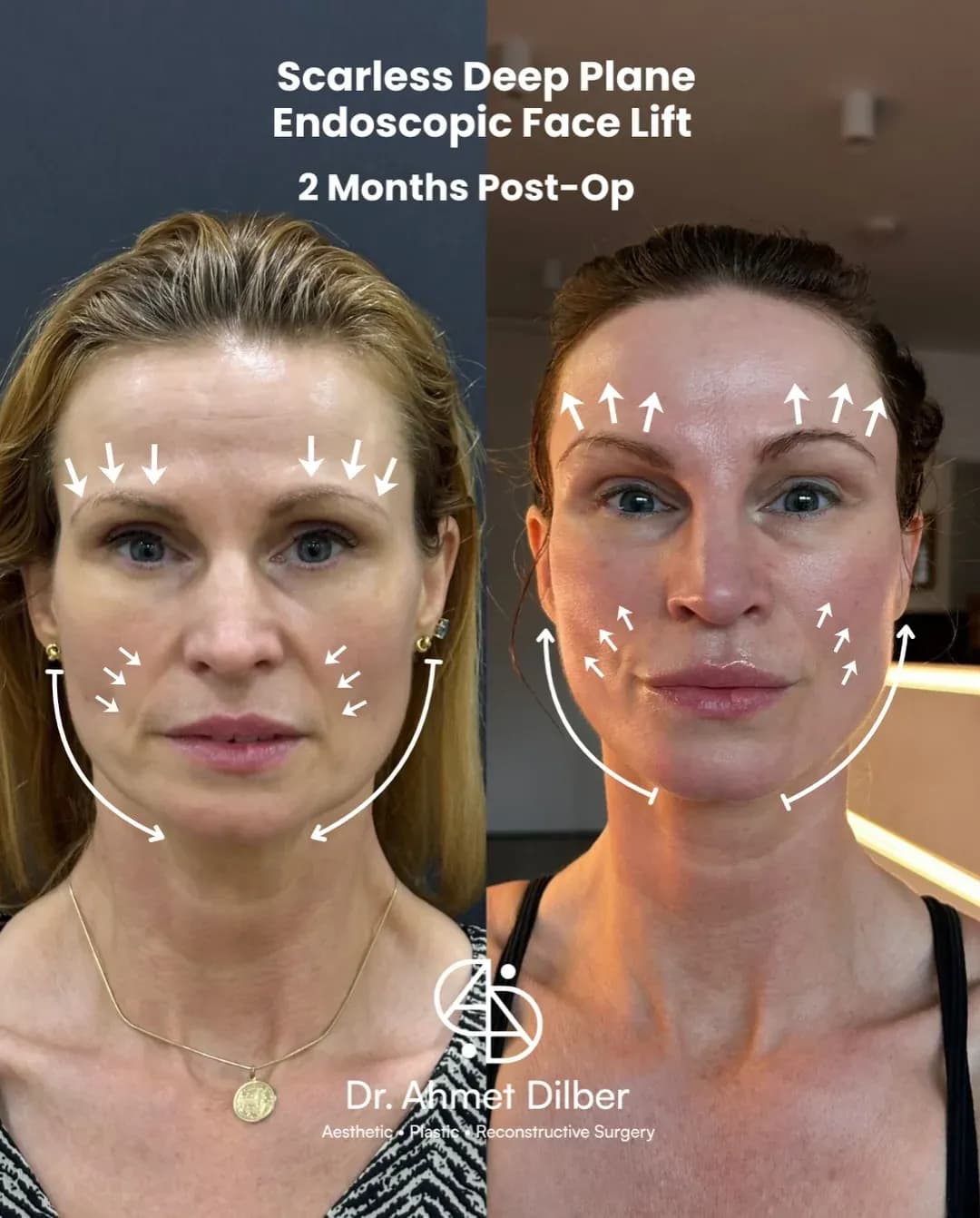
Before and after, facelift. Results vary.
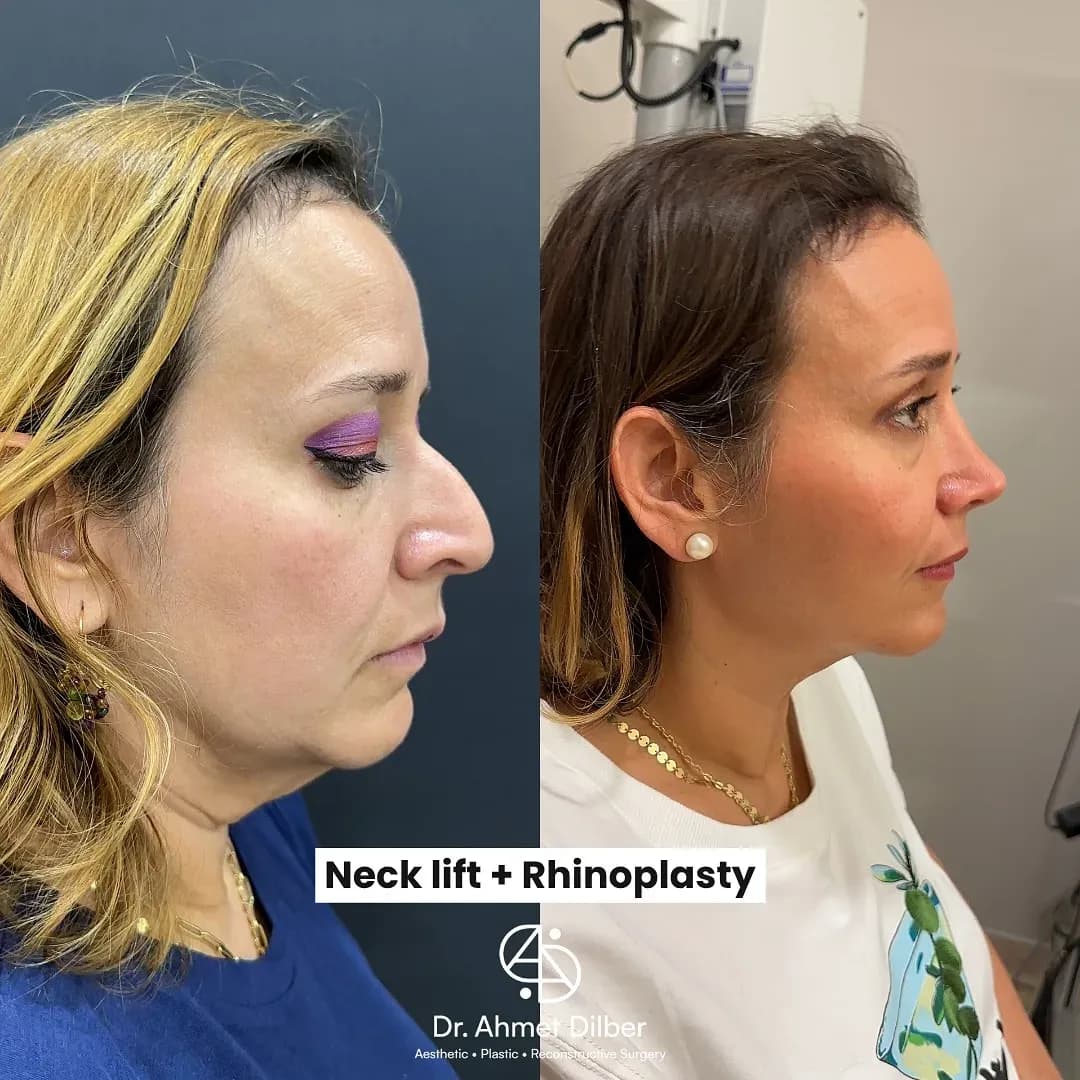
Before and after, neck lift with rhinoplasty. Results vary.
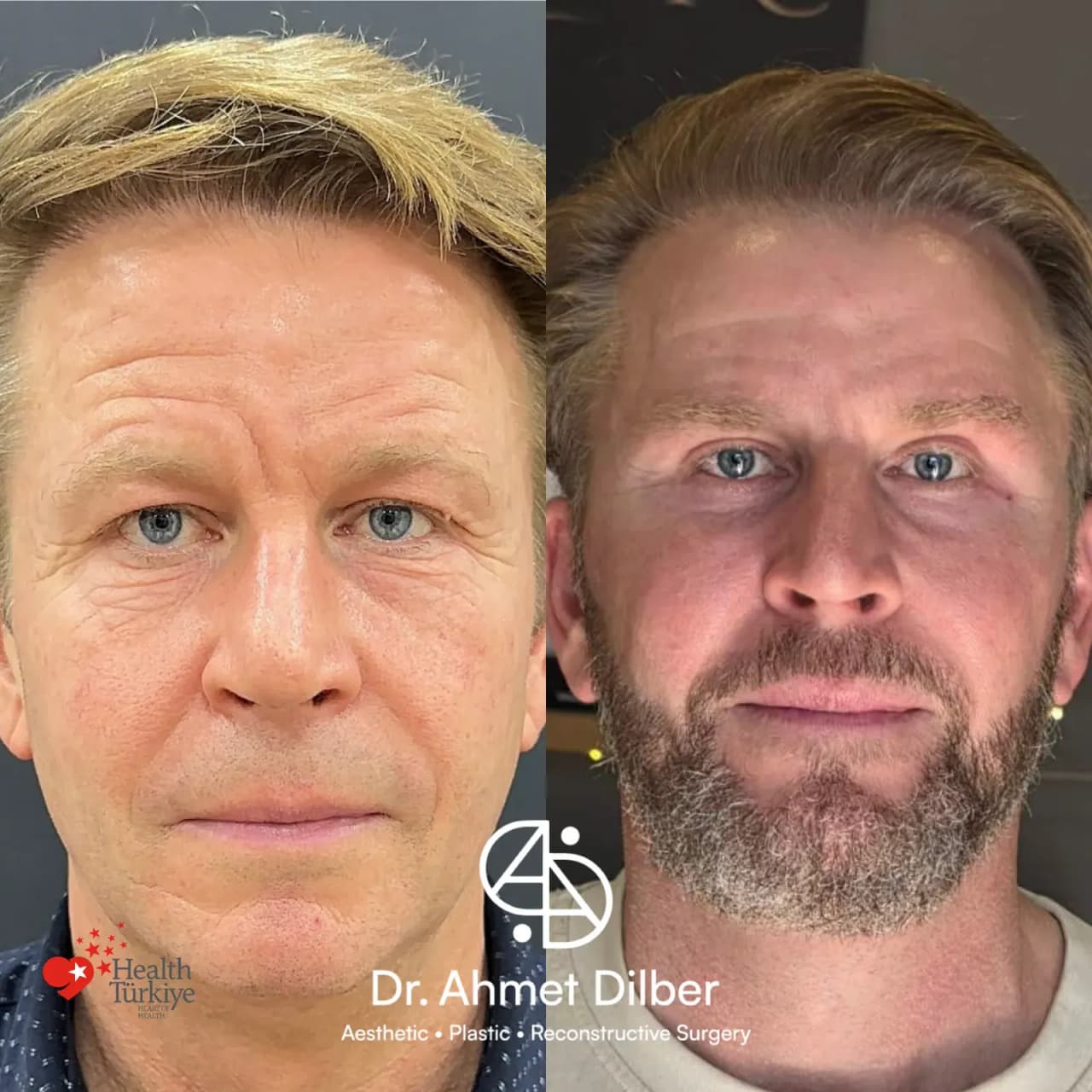
Before and after, facelift. Results vary.



Ratings as of November 2026
Acıbadem Bakırköy
where Dr. Dilber operates, with one night of hospital care
1 year
of follow-up after surgery, in person or on WhatsApp
Licensed
for international health tourism by the Turkish Ministry of Health
Does being over 60 rule out a facelift?
No. Dr. Dilber's criteria for a facelift are the same at any adult age: 18 or over, no health problem that rules out surgery, and his approval after assessment. A facelift is in fact most often chosen by older patients, because sagging of the cheeks, jawline and neck increases with age. A birthday is neither a reason to operate nor a reason to refuse.
Published evidence supports judging health rather than age. A 2026 study in Aesthetic Surgery Journal reviewed 541 facelifts by one surgeon over ten years; about seven in ten patients were over 60. After strict screening before surgery, age was not independently linked to complications, including in patients over 75. The study looked back at one practice's selected patients, so it shows what careful screening can achieve, not your personal risk.
Op. Dr. Ahmet Dilber is a plastic, reconstructive and aesthetic surgeon trained at Istanbul University Cerrahpaşa Faculty of Medicine, with his residency at Okmeydanı Training and Research Hospital. Read more about Dr. Dilber.



Mid facelift, brow lift and facelift results


Before and after photos of Op. Dr. Ahmet Dilber's patients, from @drahmetdilber on Instagram. Results vary.
Which facelift options are there after 60?
Dr. Dilber chooses the technique by what your face needs and recommends it at the examination: an SMAS or deep plane facelift for the cheeks, jawline and neck, a mid-face lift for the cheeks and the area under the eyes, or a mini lift for milder changes. A neck lift can be done on its own or combined with a facelift. Drains may be used after a deep plane facelift, but not after a mid-face lift.
Being fit for surgery matters more than age. Your medical history and medicines are reviewed before you travel, and pre-operative tests and the anaesthetic assessment take place at Acıbadem Bakırköy Hospital, part of the Acıbadem Healthcare Group. Smoking, vaping and blood-thinning medicines are stopped at least 10 days before surgery; if a doctor prescribed your blood thinner, the timing is agreed between Dr. Dilber and that doctor.
Any cosmetic surgery carries risks: bleeding, infection, temporary numbness, asymmetry and the possibility of revision. Dr. Dilber explains them in person before you agree to surgery. The safety page covers each one.
Facelift types and operating times
Facelift (SMAS or deep plane)
What it treats: Sagging cheeks, jowls, jawline and upper neck
Operating time: About 4 to 5 hoursMid-face lift
What it treats: Cheeks and the area under the eyes
Operating time: About 2.5 to 3 hoursMini lift
What it treats: Milder sagging in a smaller area
Operating time: About 2 hoursNeck lift
What it treats: Loose skin and fat under the chin and along the neck
Operating time: About 2 hours on its ownFacelift with neck lift
What it treats: Face and neck in one operation
Operating time: Set at planning
Should a neck lift be combined with a facelift?
After 60, the neck and jawline often bother people as much as the cheeks. A facelift lifts the lower face and jawline. A neck lift removes sagging skin and excess fat under the chin and along the neck, through incisions hidden around the ear and, if needed, under the chin. On its own it takes about 2 hours under general anaesthesia, with one night in hospital.
Facial procedures are commonly combined, and treating the face and neck together is often preferred: one anaesthetic, one hospital night and one recovery. Dr. Dilber explains what each part adds and whether a smaller operation, such as a mini lift, would meet your goal. Read how the facelift techniques differ and what decides the cost.
What results are realistic after 60?
A facelift tightens the skin and the tissues beneath it and removes excess skin, so it improves sagging of the cheeks, jowls and neck. It does not change skin texture, fine lines or sun spots, and it does not stop ageing. Your result depends on the areas treated, your anatomy and healing. Results vary with your skin, anatomy and the technique.
Thinner skin with sun damage often shows a softer change than younger skin, and a very tight result looks less natural at any age. The aim is a face that looks rested and still like you. Bring a photo from ten or fifteen years ago if it helps explain what you miss, and say which features you want to keep. Choosing a smaller operation, or none, is always an option.
How fast will you recover, and when can you fly home?
Before you travel: photos and medical history
Send front, left and right photos of your face and neck on WhatsApp with your medical history and medicines list. Dr. Dilber's assistant presents them to him, who decides whether you are a candidate. A video consultation with him and his assistant can be arranged if you want one or it is needed.
The day before: consultation in Ataköy
Dr. Dilber examines you in person at his practice in Ataköy, Bakırköy, goes through the risks and agrees the plan with you before you give consent. Pre-operative tests and the anaesthetic assessment follow at Acıbadem Bakırköy Hospital. If anything means surgery should wait or change, he explains why.
Surgery and one night in hospital
The facelift takes 4 to 5 hours under general anaesthesia, longer if combined with a neck lift. Dr. Dilber sees you before and after surgery, and you stay one night in hospital. The stitches are absorbable, so nothing needs removing later.
Days 2 to 5: rest and the day-5 check
Rest at your hotel, take short walks and sleep on your back with your head raised. You can shower from day 2 with lukewarm water. On day 5 Dr. Dilber removes the dressing and checks your healing, and you can leave Istanbul at the end of that day.
Back home: pace and follow-up
Plan 10 to 14 days before returning to work or being seen socially. Avoid heavy exercise for 6 to 8 weeks and sun for 3 months. Send photos on WhatsApp at 1, 3, 6 and 12 months; Dr. Dilber and his assistants review them and adjust creams or medication if needed. See aftercare after you fly home.
Your stay in Istanbul
You see Dr. Dilber at his practice in Ataköy, have surgery at Acıbadem Bakırköy Hospital and can stay at a nearby hotel.
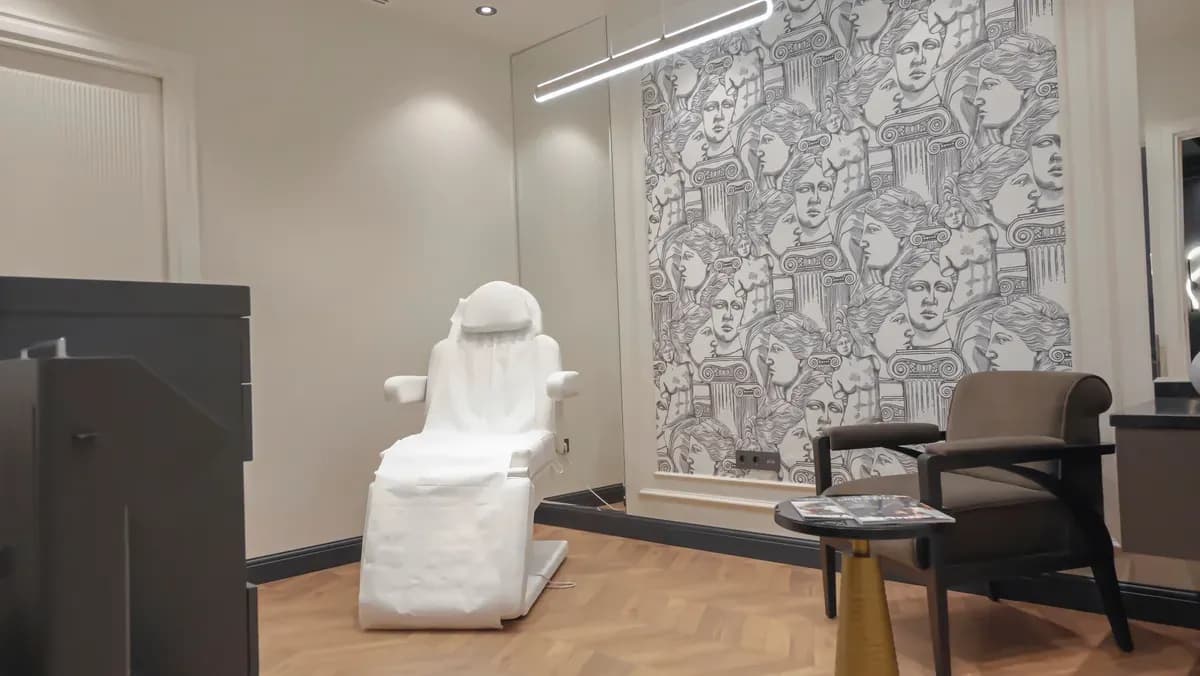
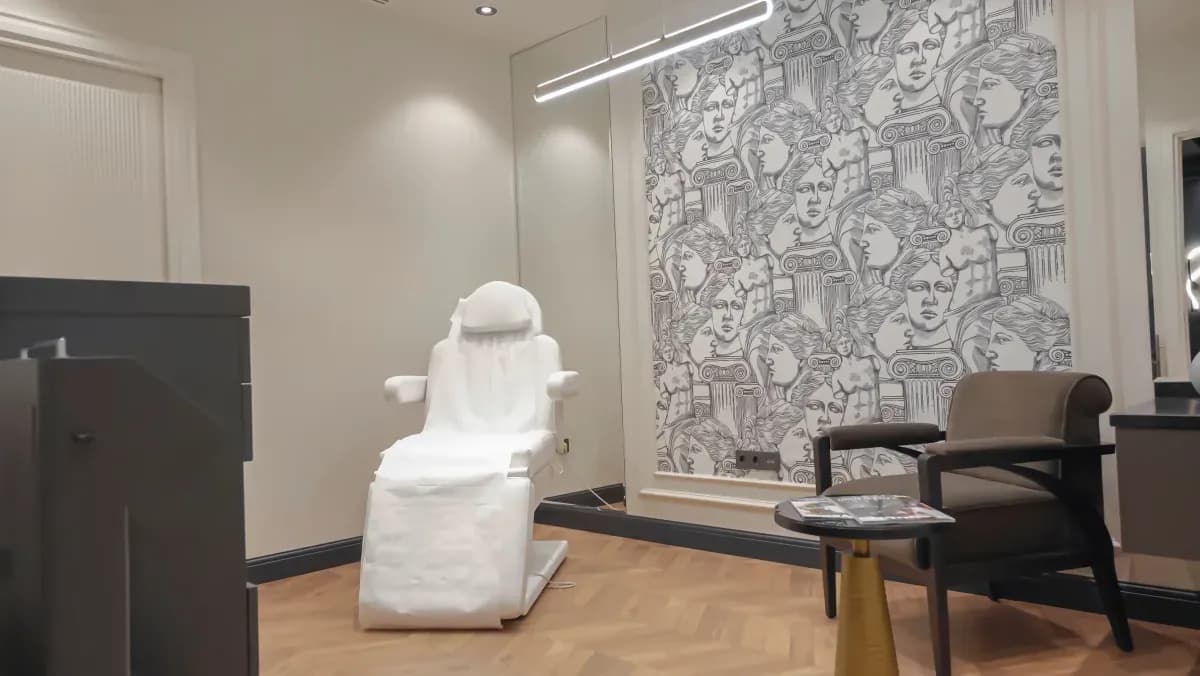
The practice in Ataköy 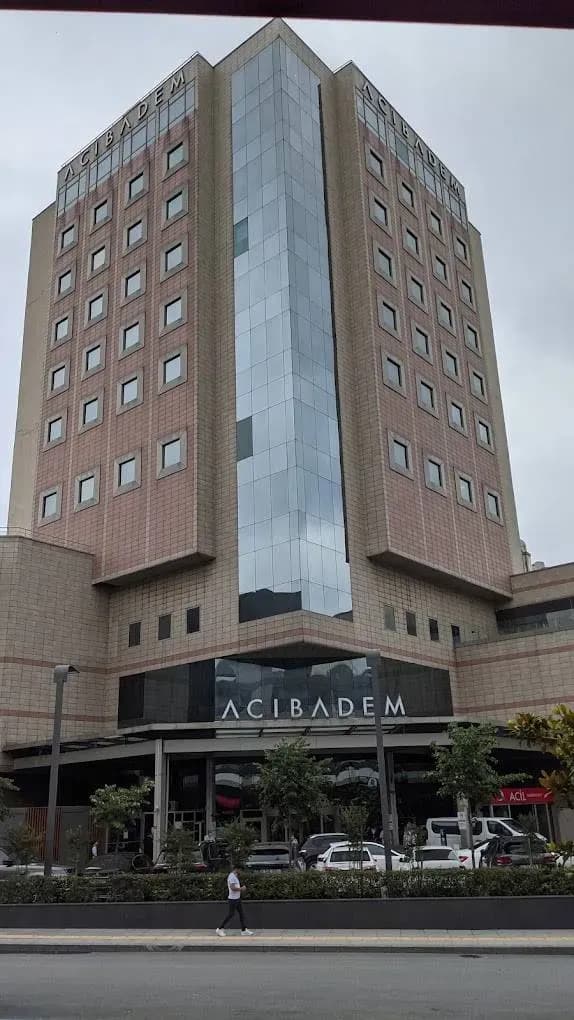
Acıbadem Bakırköy Hospital 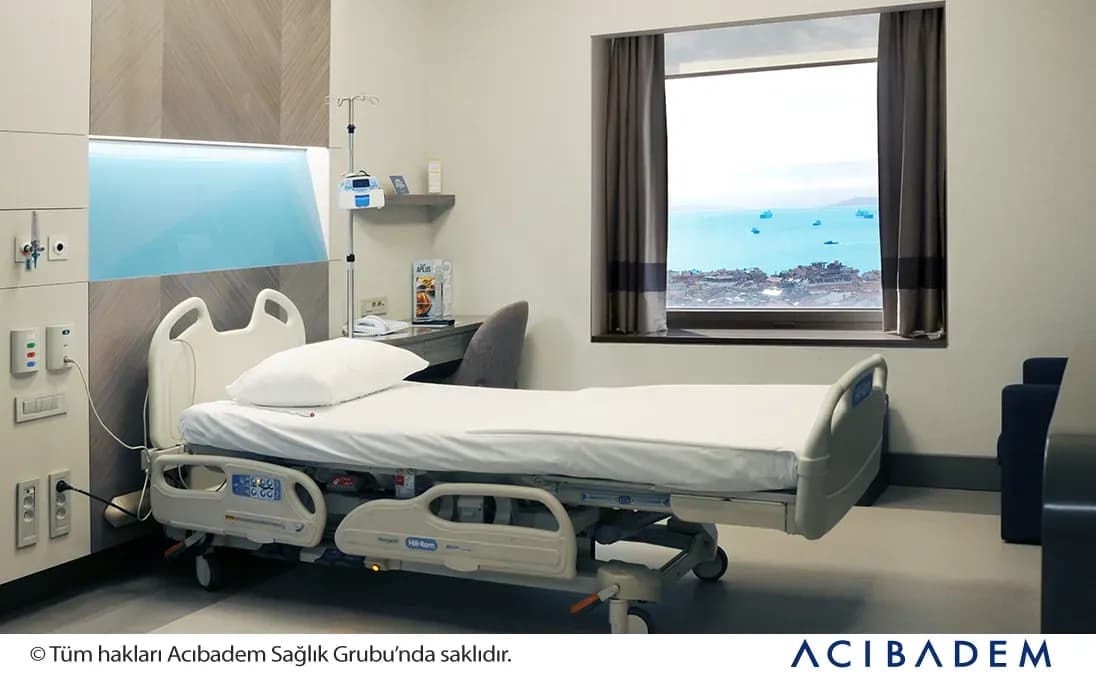
Patient room 
Hotel room, on request
Frequently asked questions
No upper age is set in the practice's criteria: 18 or over, no health problem that rules out surgery and Dr. Dilber's approval. What matters is your health, your medicines and the length of the planned operation. Send your medical history with your photos, so he can tell you early whether a facelift, a smaller operation or no surgery is the better choice.
Blood thinners, like smoking and vaping, are stopped at least 10 days before surgery. If a doctor prescribed yours, do not stop it on your own because of a web page. Send the full list of your medicines, with doses, together with your photos, and the timing is agreed between Dr. Dilber and the doctor who prescribes it.
Not on its own. The 2026 study found that age did not predict complications in one surgeon's screened patients, but it does not calculate your risk or describe another practice. Your risk depends on your general health, your medicines, smoking and the planned operation. Dr. Dilber explains your individual risks in person at the consultation, before you agree to surgery.
Most people need 10 to 14 days before bruising and swelling are mild enough to return to work or be seen socially, and thinner skin can take a little longer. You leave Istanbul at the end of day 5, after the dressing is removed and Dr. Dilber checks you. Remote work or quiet days at home are easier to plan than meetings in person.
Your result depends on the areas treated, your anatomy and healing. Results vary. The face keeps ageing from its new starting point, so the effect softens over time, depending on your skin, sun exposure, smoking and the technique. Protecting your skin from the sun, for at least 3 months after surgery and long-term, helps both the scars and the result.
There is no price list. After Dr. Dilber has reviewed your photos and decided you are suitable, you receive a written quote. It includes surgery, anaesthesia, pre-operative tests, one night in hospital and follow-up checks. Medication, hotel and transfers are not included; a hotel and transfer package is available on request through the team.
The incisions are placed in the scalp and hair and in the natural creases of the ear, where they are hard to see once healed. A mid-face lift and mini lifts leave no visible surface scar. Scars mature over about one year; protect them from the sun and keep them clean as your written aftercare instructions describe.
Explore the practice
 About Dr. DilberTraining, hospital and how he works with patients from abroad.Read his profile →
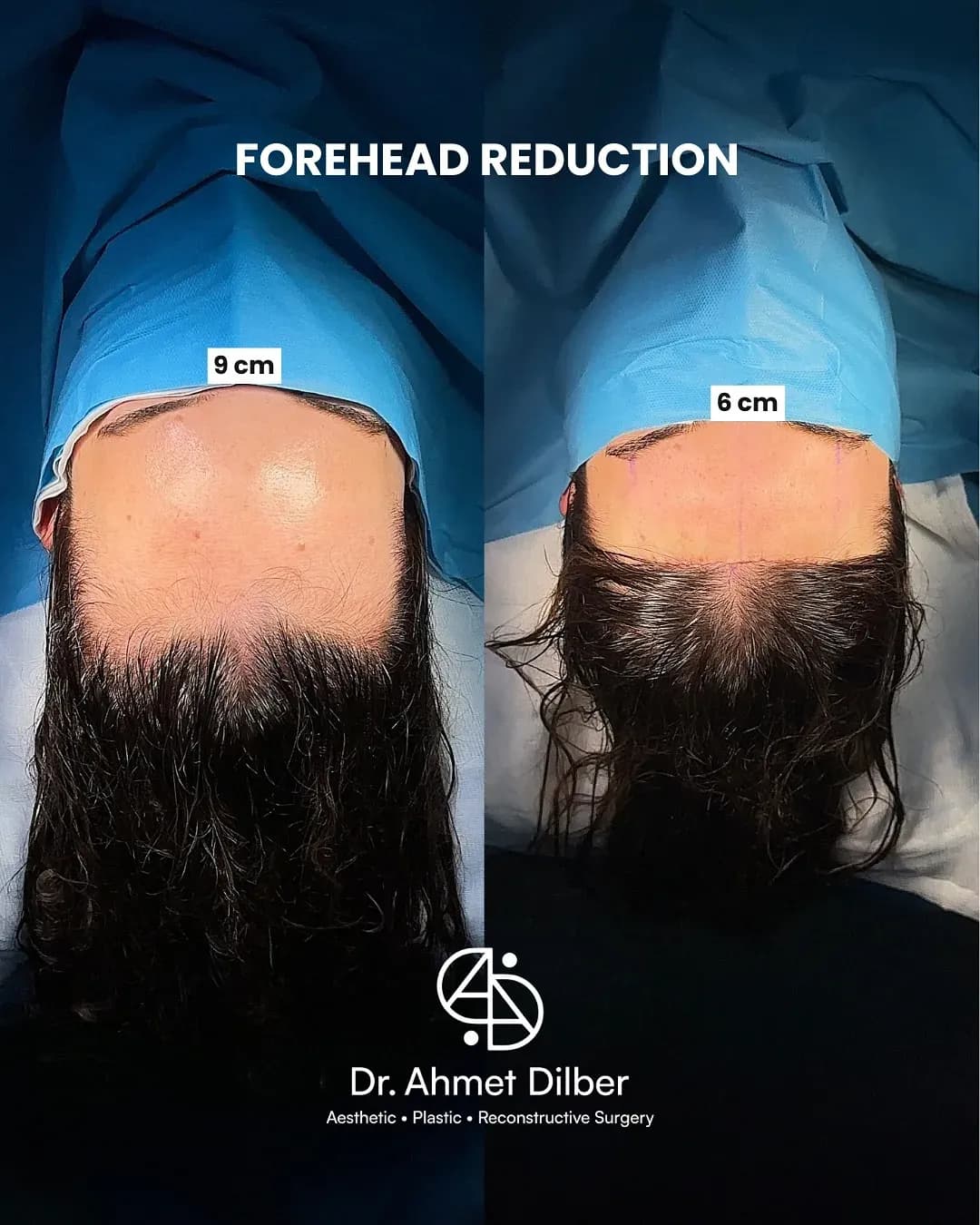 Before and after resultsBefore and after photos of Dr. Dilber's patients. Results vary.See the gallery →
Send your photos and your list of medicines.
Send front, left and right photos of your face and neck with a short medical history. Dr. Dilber reviews them, and the team replies on WhatsApp with his view and the next steps.
