

Facelift Safety: Hospital, Anaesthesia and Aftercare
A facelift with Op. Dr. Ahmet Dilber is done under general anaesthesia at Acıbadem Bakırköy Hospital, with an anaesthesia team monitoring you throughout and one night under observation. He examines you in person the day before surgery and explains the risks for your plan. After you fly home, follow-up continues by photo on WhatsApp for up to one year.
Send your photos on WhatsAppRead about recovery


Ratings as of November 2026
Acıbadem Bakırköy
where Dr. Dilber operates, with one night of hospital care
1 year
of follow-up after surgery, in person or on WhatsApp
Licensed
for international health tourism by the Turkish Ministry of Health
Where is a facelift performed, and who looks after you?
Every facelift Dr. Dilber performs takes place at Acıbadem Bakırköy Hospital in Istanbul, part of the Acıbadem Healthcare Group. The operation is done under general anaesthesia, with the anaesthesia team monitoring you from start to finish. A full facelift takes about 4 to 5 hours, a mid-face lift 2.5 to 3 hours and a mini lift about 2 hours. Drains may be used after a deep plane facelift; they are not used after a mid-face lift.
You stay one night in hospital. Nurses are on the ward, and one companion can stay with you in your room. Dr. Dilber sees you before and after surgery. The next day you move to your hotel; the partner hotel is the Hyatt Regency Istanbul Ataköy, and a hotel and transfer package is available on request. There is no nurse at the hotel.
Dr. Dilber reviews your photos, examines you at his practice in Ataköy and performs the operation himself. Read more about Dr. Dilber.


Mid facelift, brow lift and facelift results

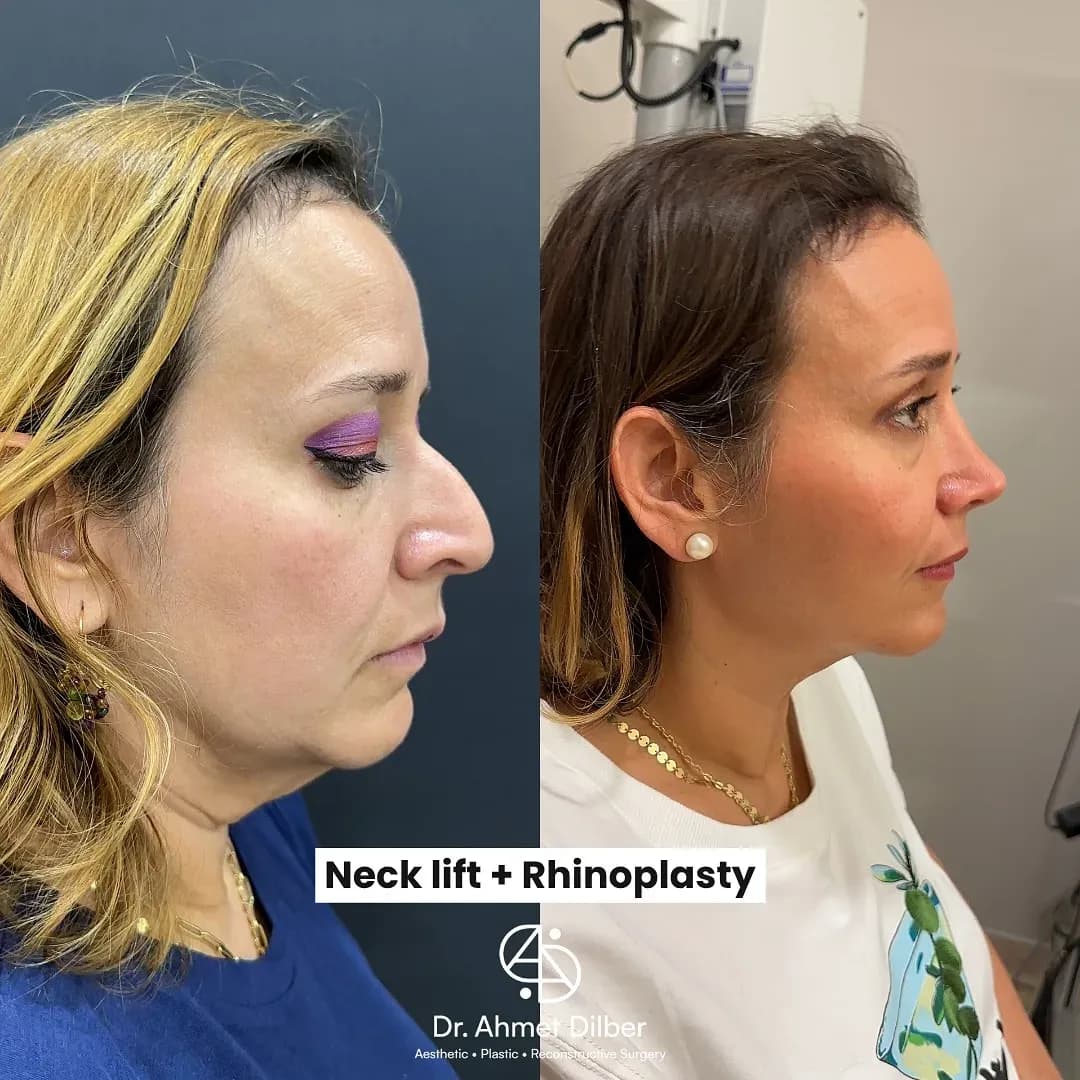

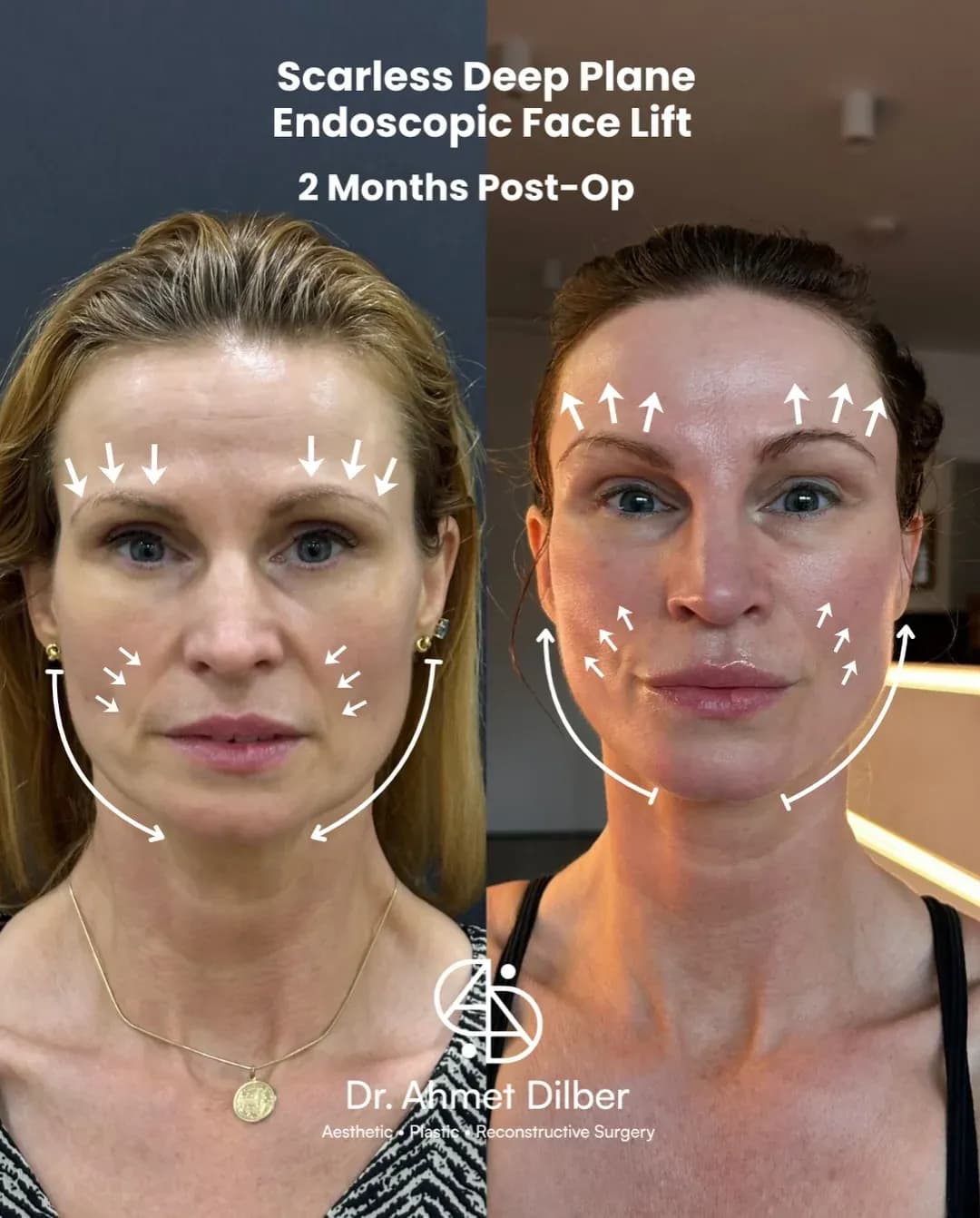
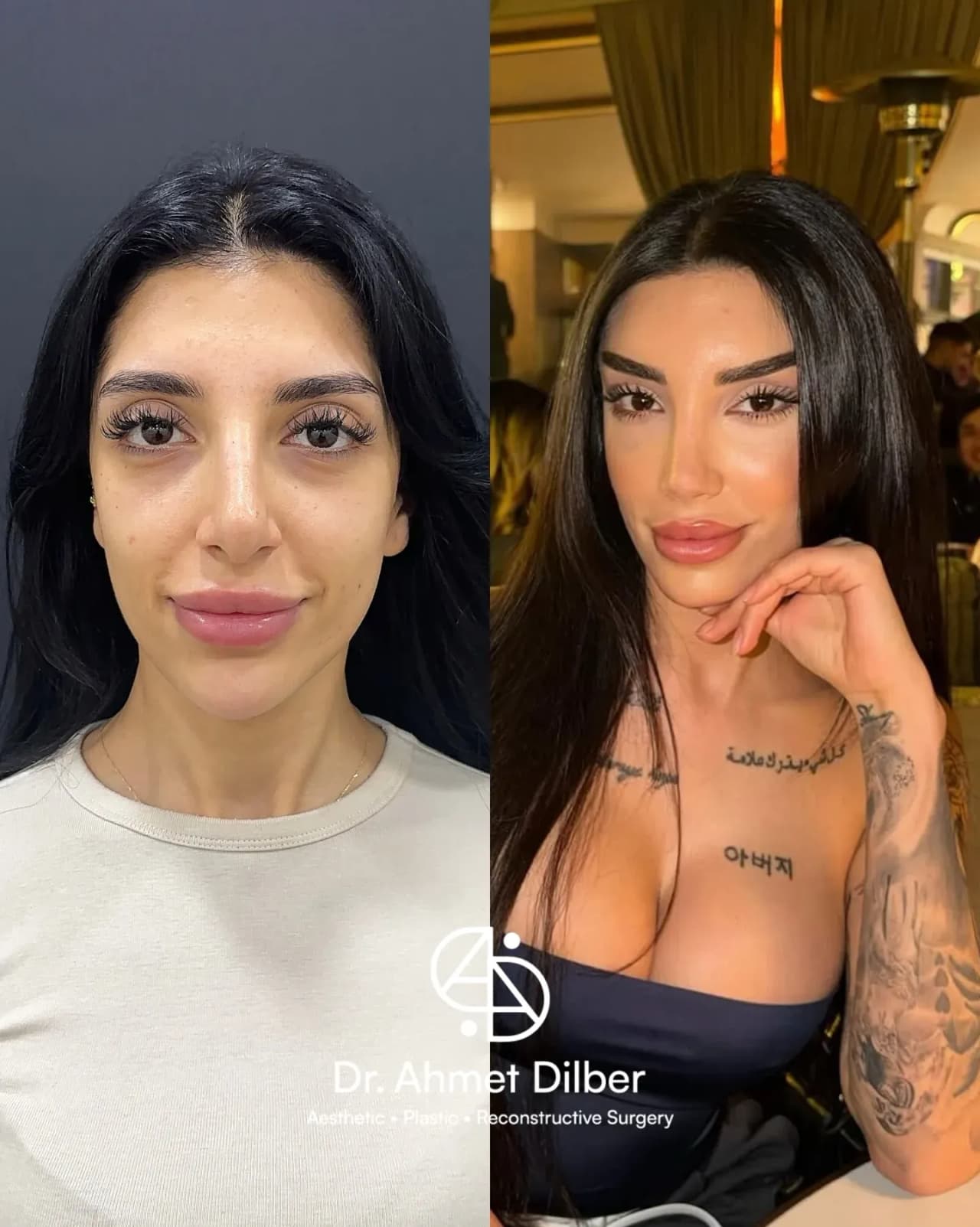
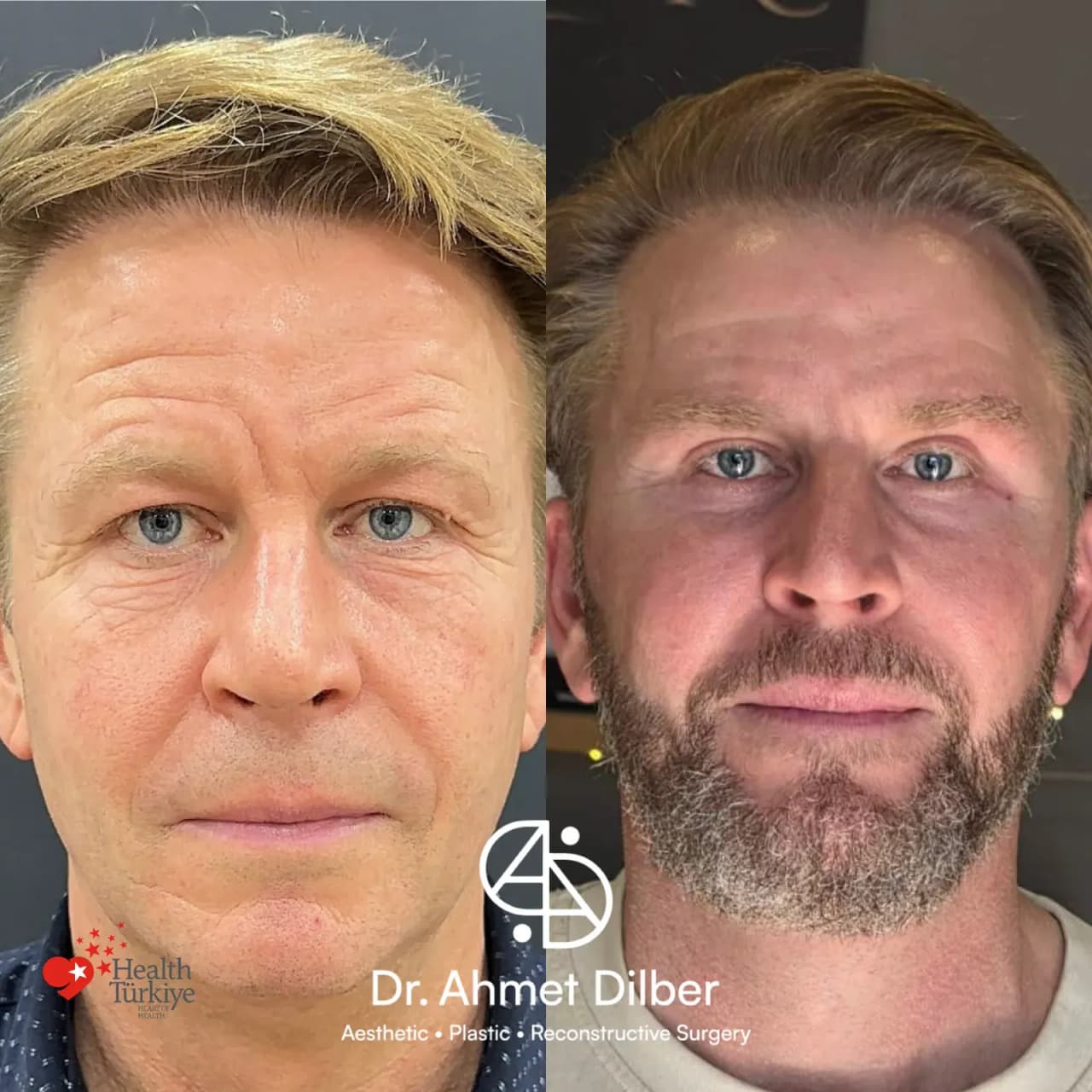
Before and after photos of Op. Dr. Ahmet Dilber's patients, from @drahmetdilber on Instagram. Results vary.
What are the risks of a facelift, and how are they handled?
Any cosmetic surgery carries risks. For a facelift these include bleeding, infection, temporary numbness, asymmetry and the possibility of revision. Dr. Dilber explains how each applies to your face and health when he examines you in Ataköy the day before surgery, and the risk discussion is part of your consent. Not every result can be fully corrected, which is one reason the plan is agreed carefully before surgery.
This page gives no percentages, because there is no published figure for this practice and rates from other patients would not describe your own risk. Smoking, vaping and blood thinners raise several of these risks, so stop them at least 10 days before surgery, agreeing any change to a prescribed medicine with your doctor. The facelift overview explains the operation, and the deep plane vs SMAS guide explains the techniques.
Facelift risks: what you may notice and what is done
Bleeding
What you may notice: Swelling or tightness increasing on one side
What is done: One night of observation in hospital; photos sent straight away at homeInfection
What you may notice: Redness, warmth, discharge or fever
What is done: Surgery in hospital; wound checked at the practice on day 5Temporary numbness
What you may notice: Numb cheeks or ears for a few months
What is done: Expected; monitored at your follow-up checksAsymmetry
What you may notice: Sides look different once swelling settles
What is done: Assessed after healing at your follow-up checksPossibility of revision
What you may notice: A concern that remains once healing has settled
What is done: Assessed by Dr. Dilber; options explained to you
How is risk reduced in hospital and in Istanbul?
Before you travel: photos and health history
Send front, left and right photos and your medical history on WhatsApp, including your medicines, smoking and any previous facial surgery or fillers. Dr. Dilber's assistant presents them to him, who decides whether you are a candidate. If surgery is not suitable, you hear it before you book travel.
The day before: consultation and anaesthesia team
Dr. Dilber examines you in person at his practice in Ataköy, explains the risks that apply to your plan and obtains your consent. You then go to Acıbadem Bakırköy Hospital for pre-operative tests and an assessment by the anaesthesia team, who review your heart, lungs and medicines.
Surgery day: general anaesthesia in hospital
A full facelift takes about 4 to 5 hours under general anaesthesia, with the anaesthesia team monitoring you throughout. Dr. Dilber sees you before and after surgery. You stay one night under observation, so early bleeding or other problems are picked up and treated in hospital.
Days 1 to 5: hotel and day-5 check
The next day you move to your hotel. Sleep on your back with your head raised, and shower from day 2 with lukewarm water. Your dressing is removed at the practice on day 5, and after that check you can leave Istanbul at the end of day 5, with written instructions in English and Turkish.
At home: follow-up for up to one year
You send photos on WhatsApp at set intervals, at 1, 3, 6 and 12 months, and Dr. Dilber and his assistants review your healing and scars. Creams or medication are adjusted as needed, and Istanbul residents are seen in person. Read about aftercare after you fly home.
Your stay in Istanbul
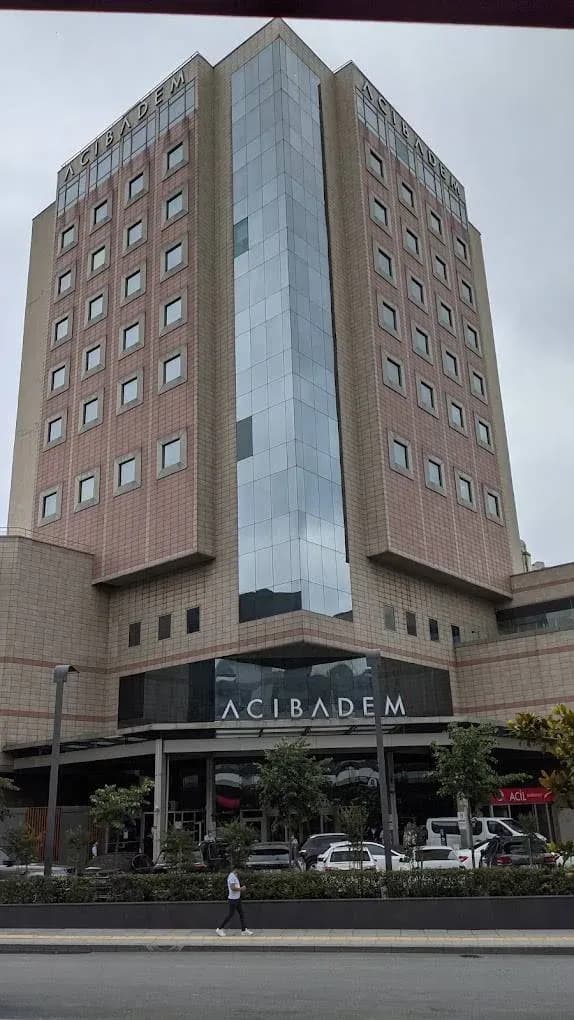
You see Dr. Dilber at his practice in Ataköy, have surgery at Acıbadem Bakırköy Hospital and can stay at a nearby hotel.
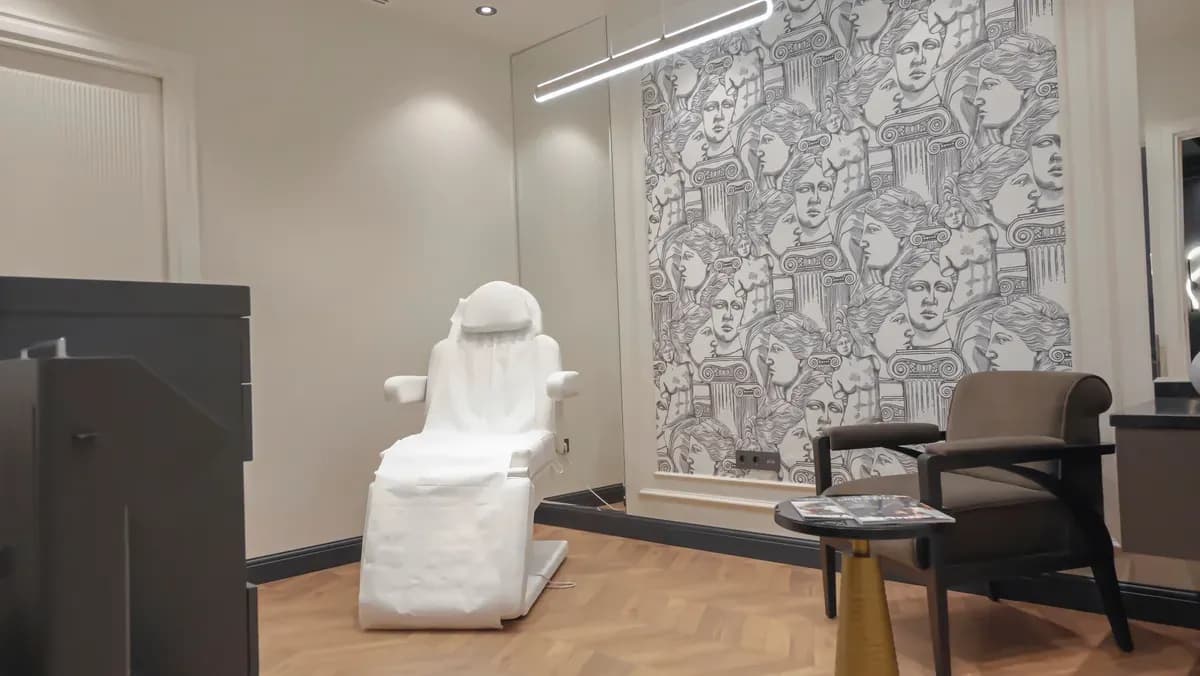
The practice in Ataköy 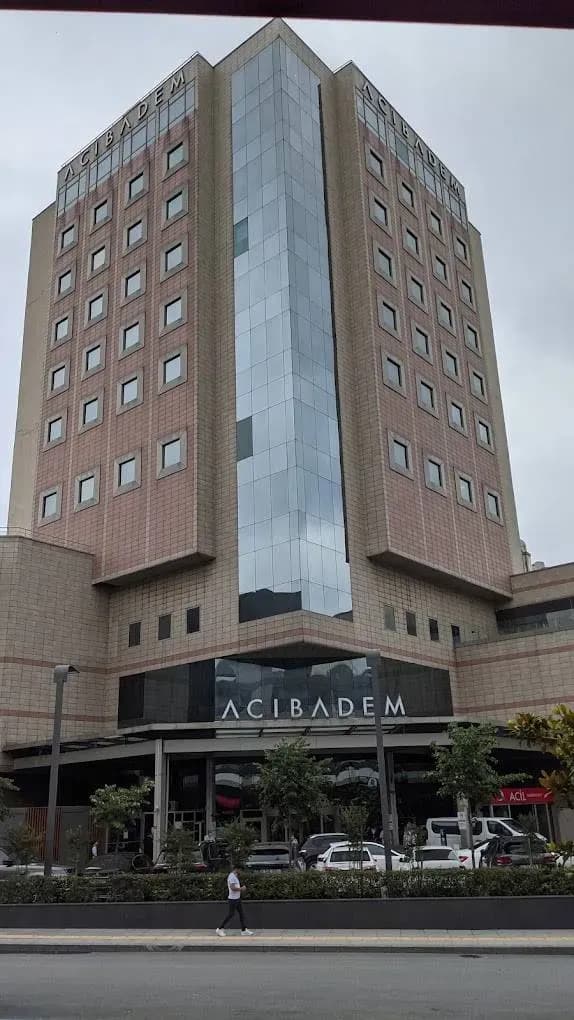
Acıbadem Bakırköy Hospital 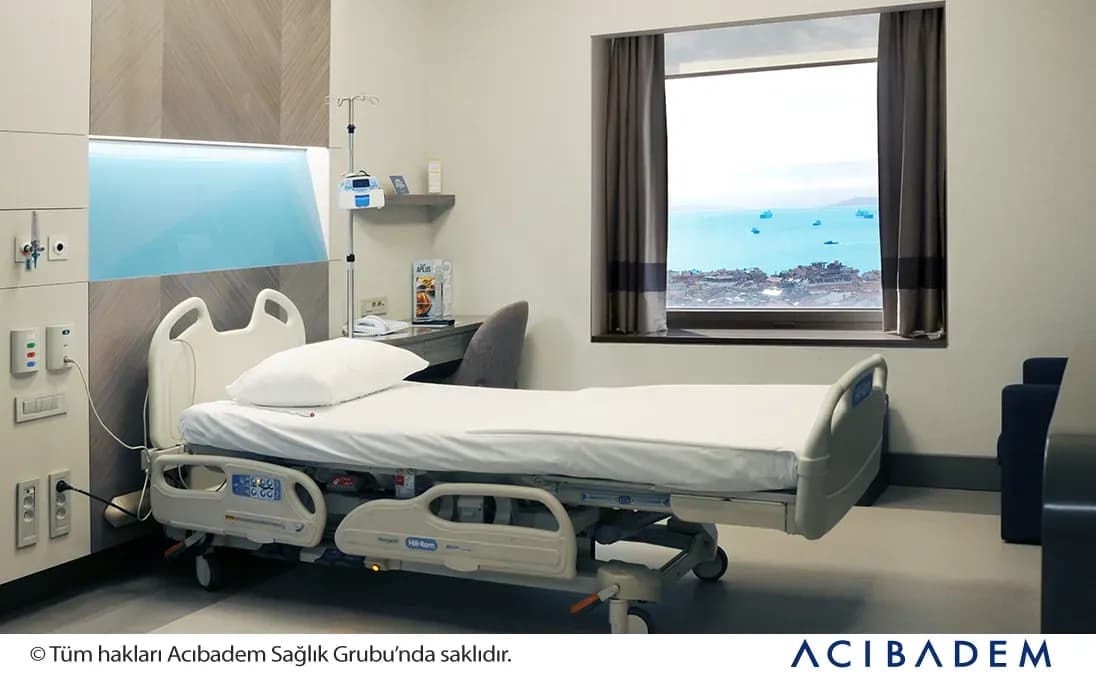
Patient room 
Hotel room, on request
What should you do if something changes after you get home?
Most changes can be handled by sending photos on WhatsApp. Some need a doctor near you the same day.
Swelling or pain that grows on one side
Get urgent medical help locally if swelling grows quickly or you have trouble breathing or swallowing, then message the team. Otherwise send photos on WhatsApp straight away.
Redness, discharge, fever or a wound that opens
These can be signs of infection or slow healing. See a doctor the same day, or call NHS 111 in the UK, take your operation summary and let the team know.
Questions about creams or medication
Send photos and your question on WhatsApp. Dr. Dilber and his assistants review them and adjust creams or medication as needed. The line is answered from 07:00 to 24:00 Istanbul time.
Returning to work and exercise
Plan 10 to 14 days off work after a facelift. Avoid heavy exercise for 6 to 8 weeks, and protect the scars from the sun for at least 3 months.
Numbness of the cheeks or ears
Temporary numbness is expected after a facelift and usually settles over a few months. Mention it when you send follow-up photos. Protect numb skin from heat, such as a hair dryer, and from the sun.
Keep your GP informed
Tell your GP you have had a facelift in Istanbul and keep your operation summary to hand, so any local doctor can see what was done.
How do you reach the team after surgery?
The WhatsApp line, +90 536 296 93 16, is answered from 07:00 to 24:00 Istanbul time. Send photos and questions there at any stage of your recovery; they go to the assistant and are reviewed by Dr. Dilber. You can also call +90 533 085 76 86 or email [email protected]. The practice in Ataköy is open from 09:00 to 17:00, by appointment only.
Before you leave Istanbul you receive written aftercare instructions and an operation summary in English and Turkish. Keep them with you and show them to any doctor who sees you at home. Dr. Dilber speaks Turkish and English, and the team supports English, Turkish and French. If you have a complaint, you can use the complaint form on the website.
What can you do to lower your own risk?
Tell the team about every medicine you take, including blood thinners and aspirin, because some raise the risk of bleeding. Stop smoking, vaping and blood thinners at least 10 days before surgery; do not stop a prescribed medicine without agreeing it with your doctor. Mention high blood pressure, diabetes and any history of slow healing when you send your medical history.
After surgery, sleep on your back with your head raised, protect your face from knocks and shower with lukewarm water from day 2. Avoid heavy exercise for 6 to 8 weeks and use sun protection for at least 3 months. Plan 10 to 14 days off work. The recovery and flying home guide sets out the full timeline, and the neck lift page covers the neck.
Frequently asked questions about facelift safety
Temporary numbness of the cheeks and around the ears is expected after a facelift. Feeling usually returns gradually over a few months, often with tingling or itching on the way. Protect numb skin from heat, such as a hair dryer, and from the sun, and mention any change when you send your follow-up photos on WhatsApp.
This page publishes no rate. A meaningful figure needs a defined operation, a definition of each complication, the number of patients and the follow-up period. A rate from another surgeon's study would not describe your risk, and a hospital accreditation does not prevent complications. Ask Dr. Dilber at your consultation how each risk applies to your face and history.
Drowsiness, a sore throat and sickness for a few hours are common. Serious reactions are uncommon and more likely with some heart, lung or other conditions. That is why the anaesthesia team at Acıbadem Bakırköy Hospital assesses you the day before surgery, after your health tests. Tell them about every condition, medicine and previous anaesthetic, including any problems you had.
Every incision leaves a scar. In a facelift the incisions are placed in the scalp and hair and in the natural creases of the ear, where they are hard to see once healed. A mid-face lift and mini lifts leave no visible surface scar. Scars mature over about one year; use sun protection for at least 3 months and send photos at your follow-up checks.
Drains may be used after a deep plane facelift, to let fluid leave the wound in the first period after surgery. They are not used after a mid-face lift. Dr. Dilber chooses the technique based on your needs and his assessment, and tells you before surgery whether a drain is part of your plan.
Yes. One companion can stay with you in your hospital room on the night of surgery, and nurses are on the ward. There is no nurse at the hotel, so many patients travel with someone. The partner hotel is the Hyatt Regency Istanbul Ataköy; the hotel price depends on the number of people, and a hotel and transfer package is available on request.
Dr. Dilber and his assistants review the photos you send on WhatsApp at set intervals for up to one year, at 1, 3, 6 and 12 months, and you can send photos sooner if something changes. Creams or medication are adjusted as needed, and you are told when to see a doctor locally. For urgent problems, use local emergency care first. See aftercare after you fly home.
Explore the practice
 About Dr. DilberTraining, hospital and how he works with patients from abroad.Read his profile →
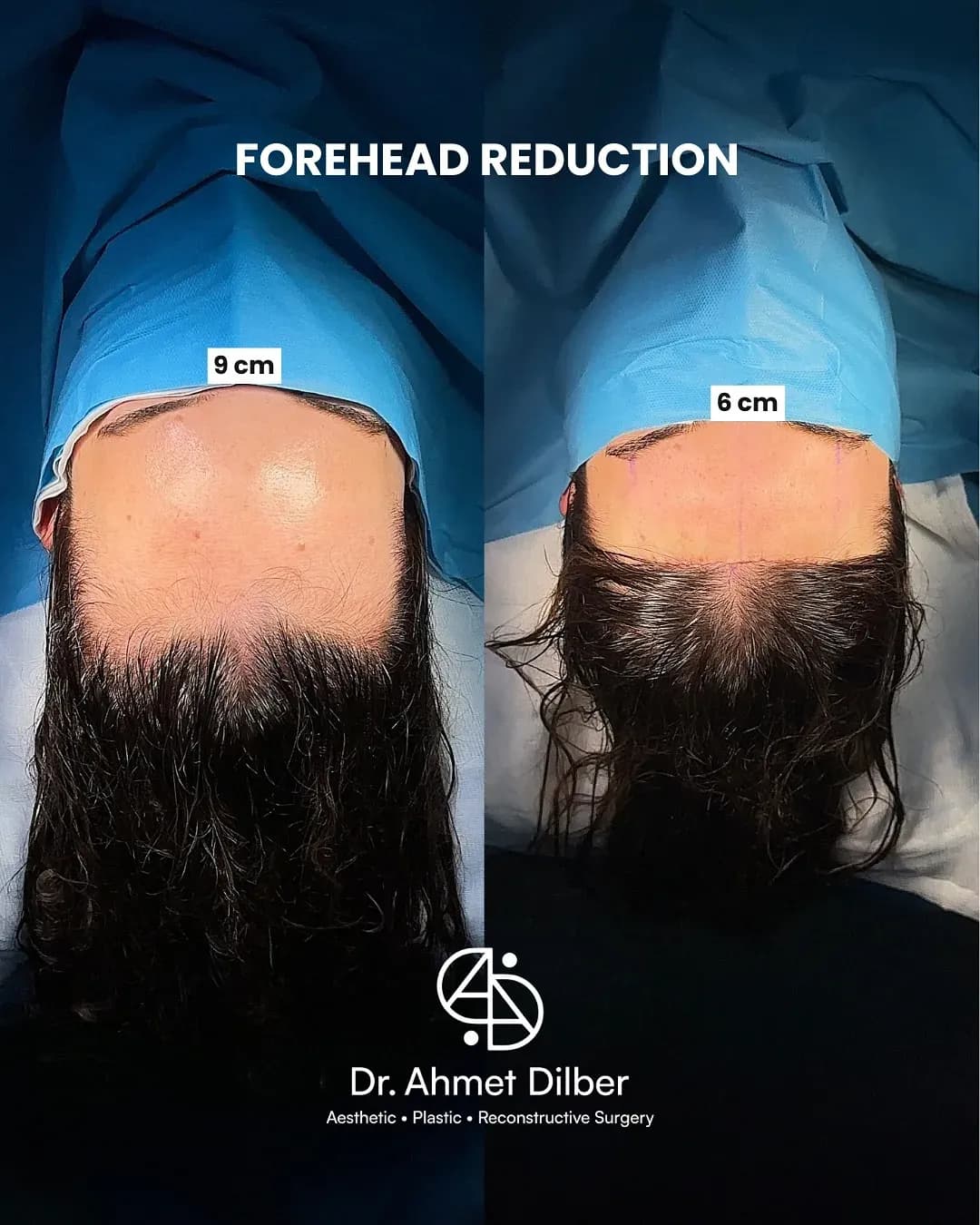 Before and after resultsBefore and after photos of Dr. Dilber's patients. Results vary.See the gallery →
Ask about hospital care and aftercare before you decide.
Send photos of your face from the front, left and right with your hair tied back. Dr. Dilber reviews them and goes through the risks that apply to you before any plan is made.
