

Rhinoplasty (Nose Reshaping) in Istanbul, Turkey
Rhinoplasty in Istanbul reshapes the nose for appearance, breathing or both. Op. Dr. Ahmet Dilber uses the open technique with a piezoelectric device for the nasal bone, under general anaesthesia, in about 2 hours, with one night in hospital. He removes the internal splints and cast at his practice on day 7; you fly home on day 8. Suitability is assessed from your photos, then in person in Ataköy.
Send your photos on WhatsAppRead about the cost

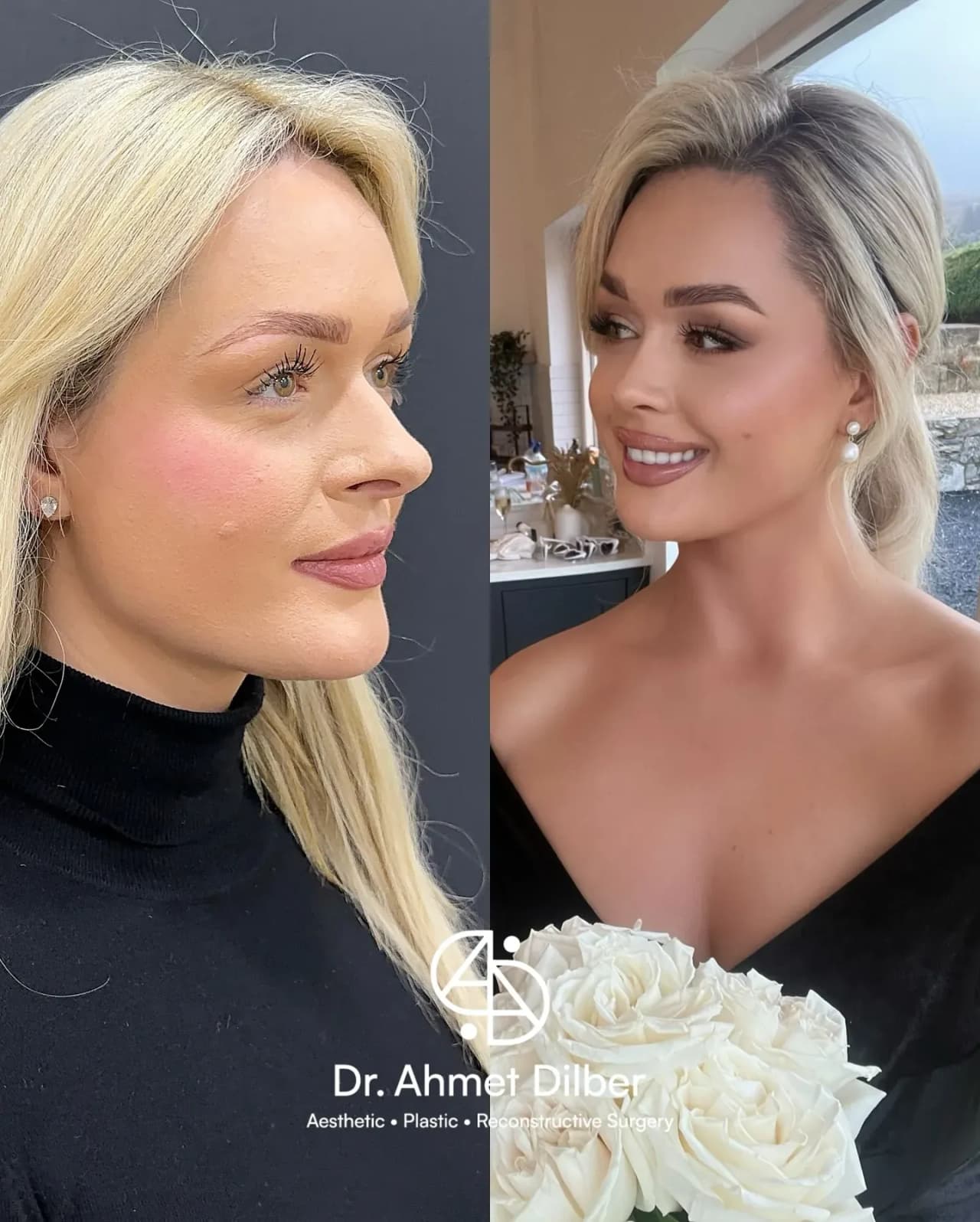
Before and after, rhinoplasty. Results vary.
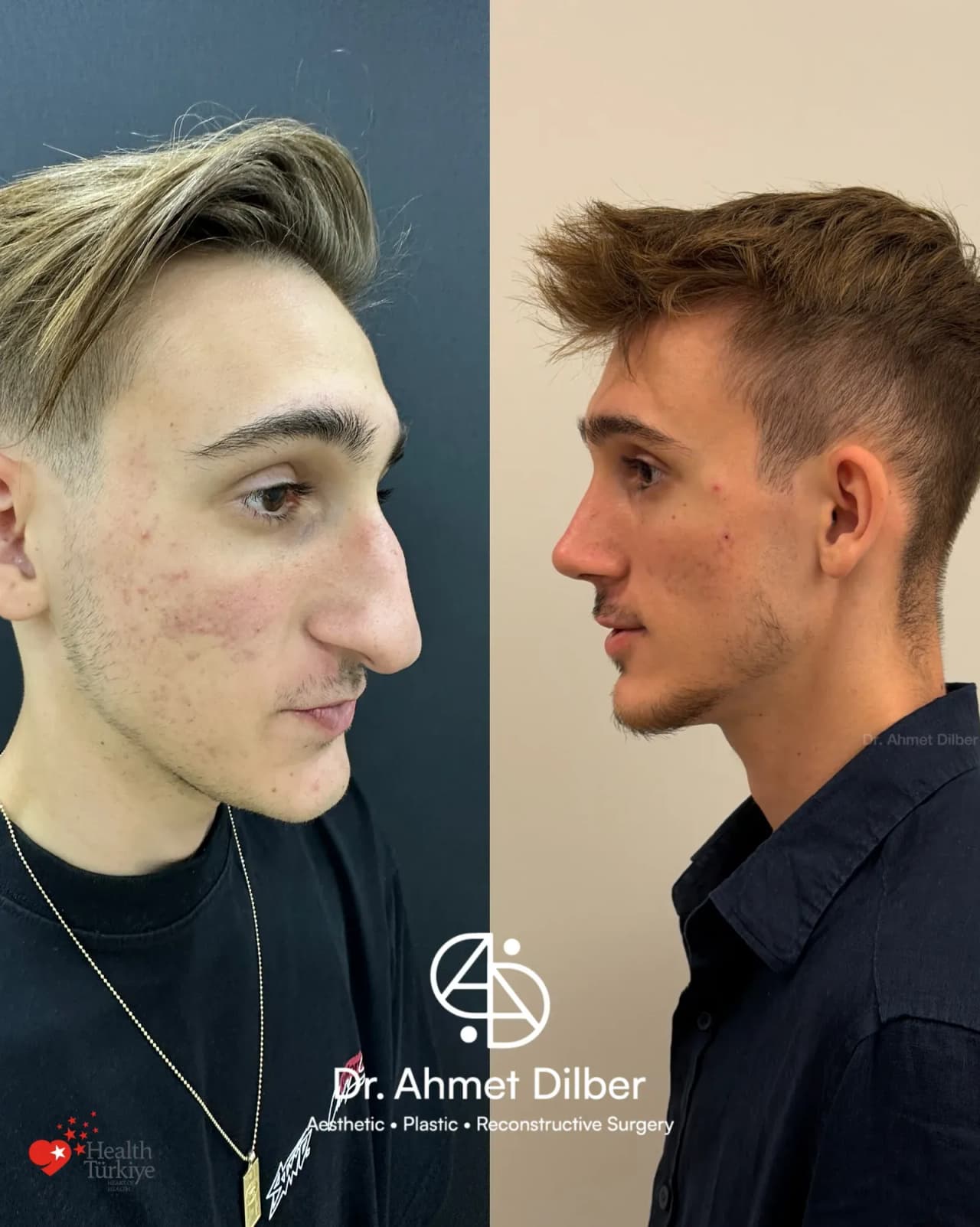
Before and after, rhinoplasty. Results vary.
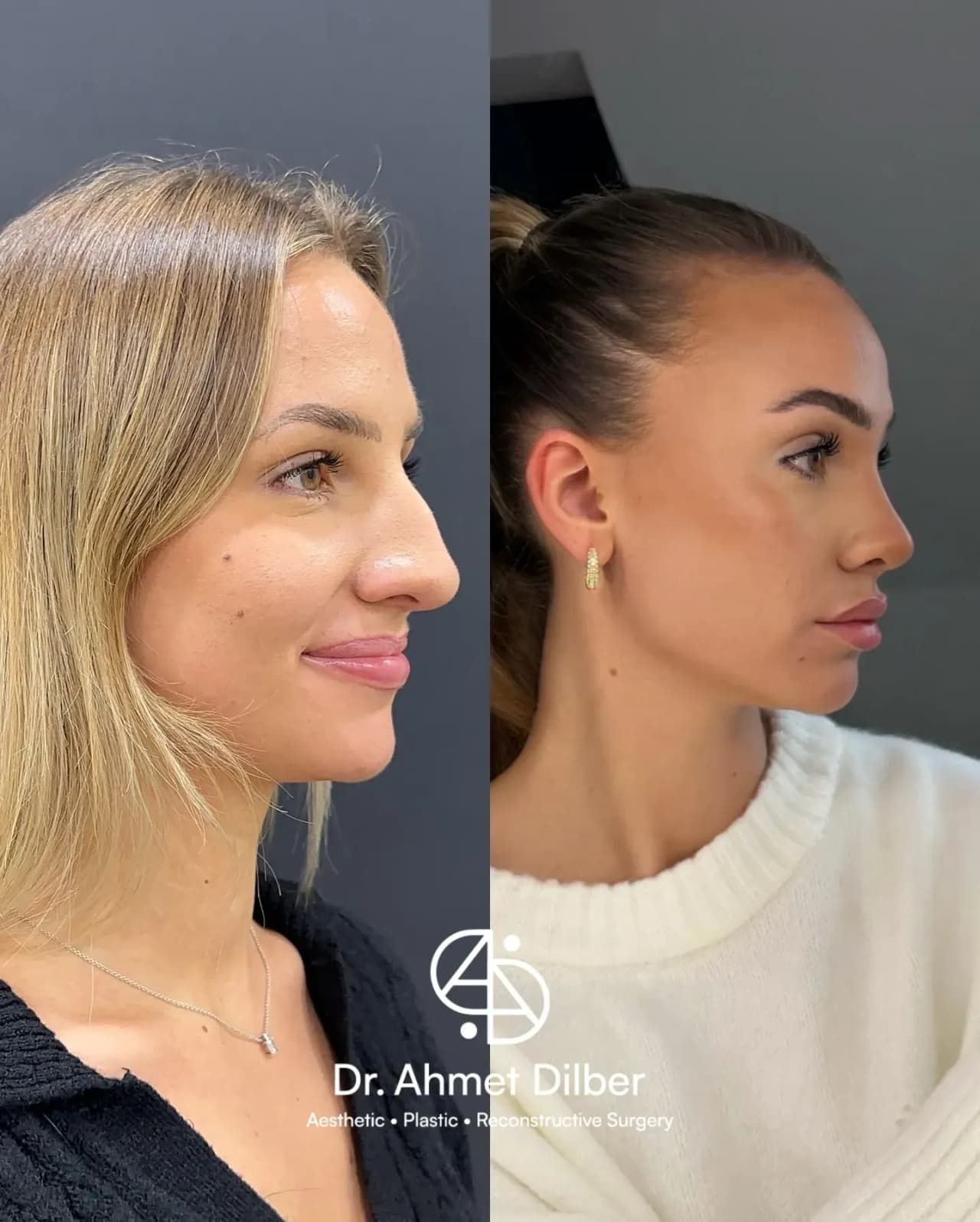
Before and after, rhinoplasty. Results vary.


Ratings as of November 2026
Acıbadem Bakırköy
where Dr. Dilber operates, with one night of hospital care
1 year
of follow-up after surgery, in person or on WhatsApp
Licensed
for international health tourism by the Turkish Ministry of Health
What is rhinoplasty, and what can it change?
Rhinoplasty is surgery to change the shape or size of the nose, for appearance, for breathing, or for both. The NHS describes it in the same terms. The operation works on the bone and cartilage that give the nose its form. It can reduce the overall size, lower a hump on the profile, change the shape of the tip and correct a nose that healed crooked after an injury. Dr. Dilber uses the open technique, through a small incision across the columella (the skin between the nostrils), with a piezoelectric device for the nasal bone; the scar is usually barely noticeable within 6 months. Where the inner structure of the nose blocks airflow, the breathing problem is corrected in the same operation.
At the consultation Dr. Dilber analyses your face, takes your health history and asks what you want changed and what you want to keep. He then shows a simulation of the expected appearance after surgery. Use it to discuss size and shape, not as a promise of the final result: skin, healing and swelling all affect how the nose settles over the following year. If you have had nasal surgery before, read about revision rhinoplasty, because previous treatment changes the plan.
Op. Dr. Ahmet Dilber is a plastic, reconstructive and aesthetic surgeon. He trained at Istanbul University Cerrahpaşa Faculty of Medicine and completed his specialist residency at Okmeydanı Training and Research Hospital. Rhinoplasty and revision rhinoplasty are among the operations he performs, alongside facial surgery such as forehead reduction. He sees patients at his practice in Ataköy, Istanbul, and operates at Acıbadem Bakırköy Hospital, part of the Acıbadem Healthcare Group. He examines every patient himself before surgery and performs the operation. Read more about Dr. Dilber.



Rhinoplasty results
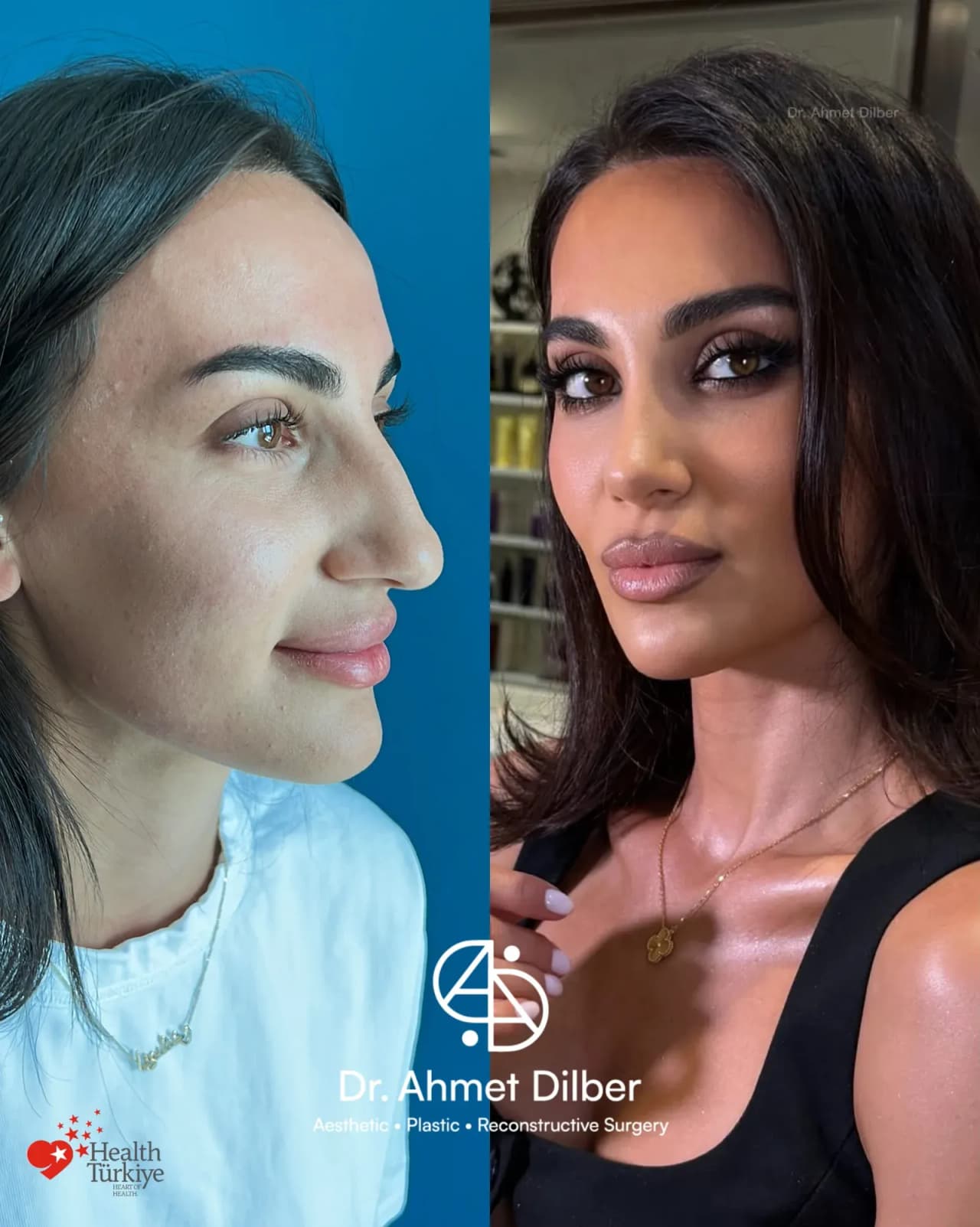
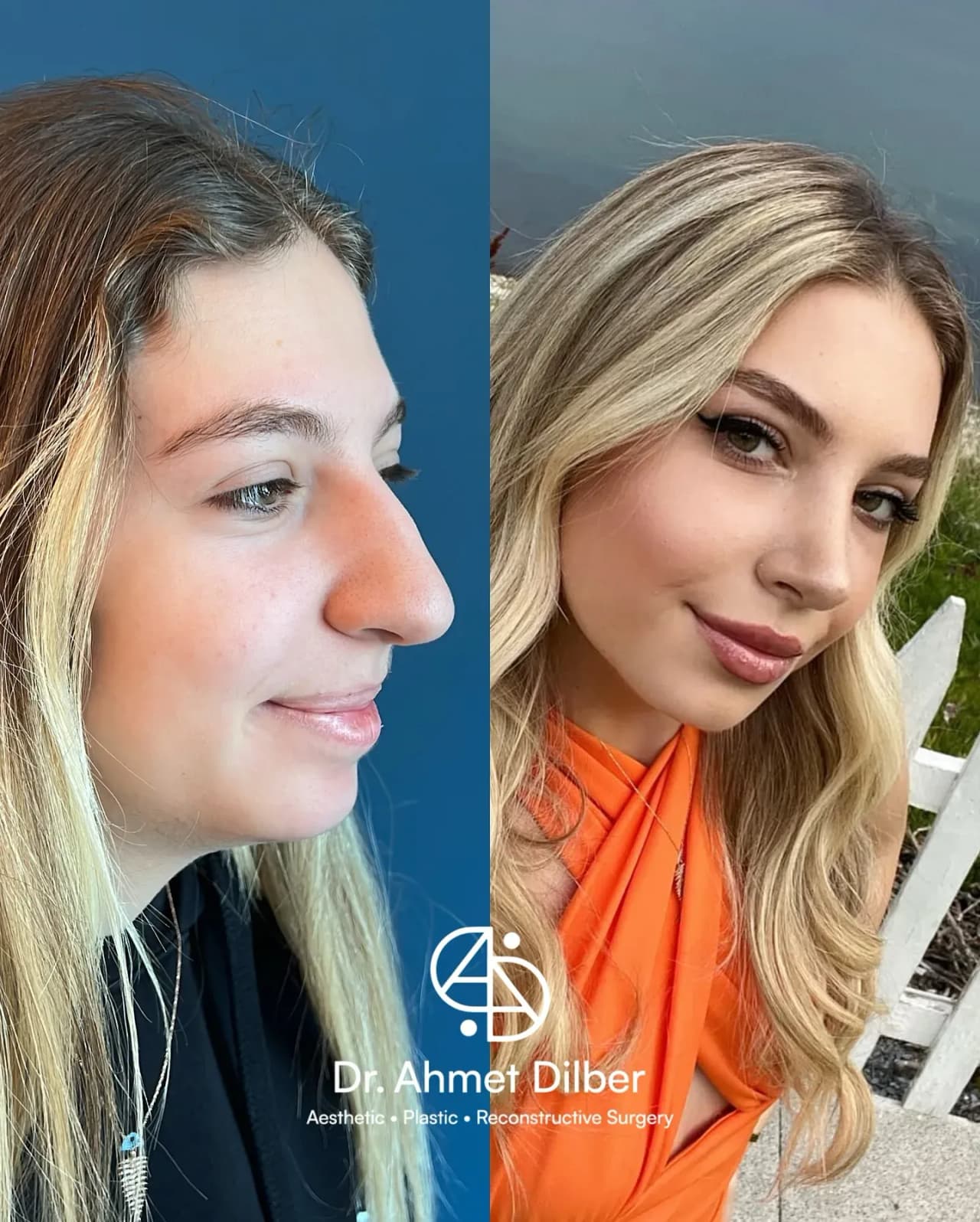
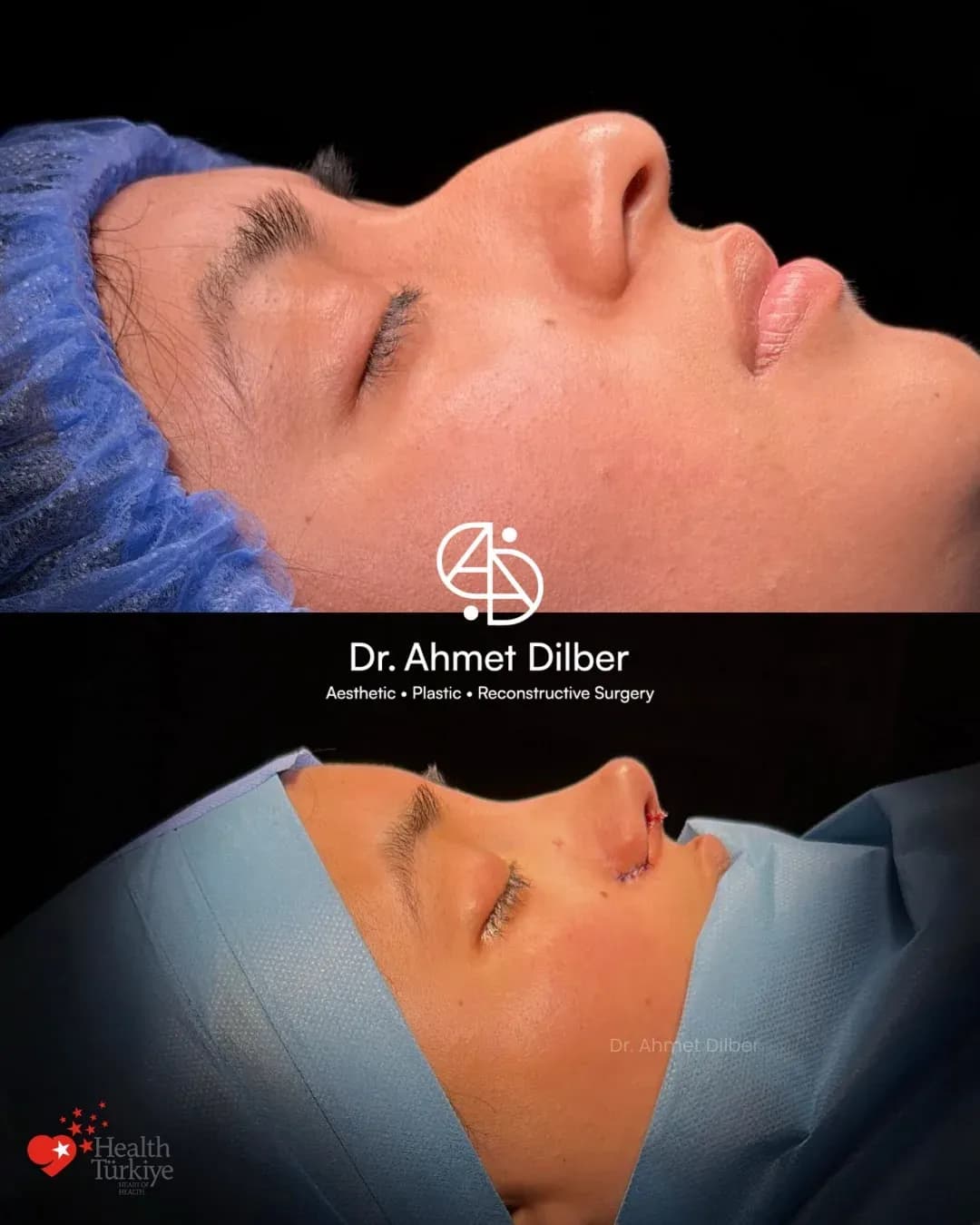
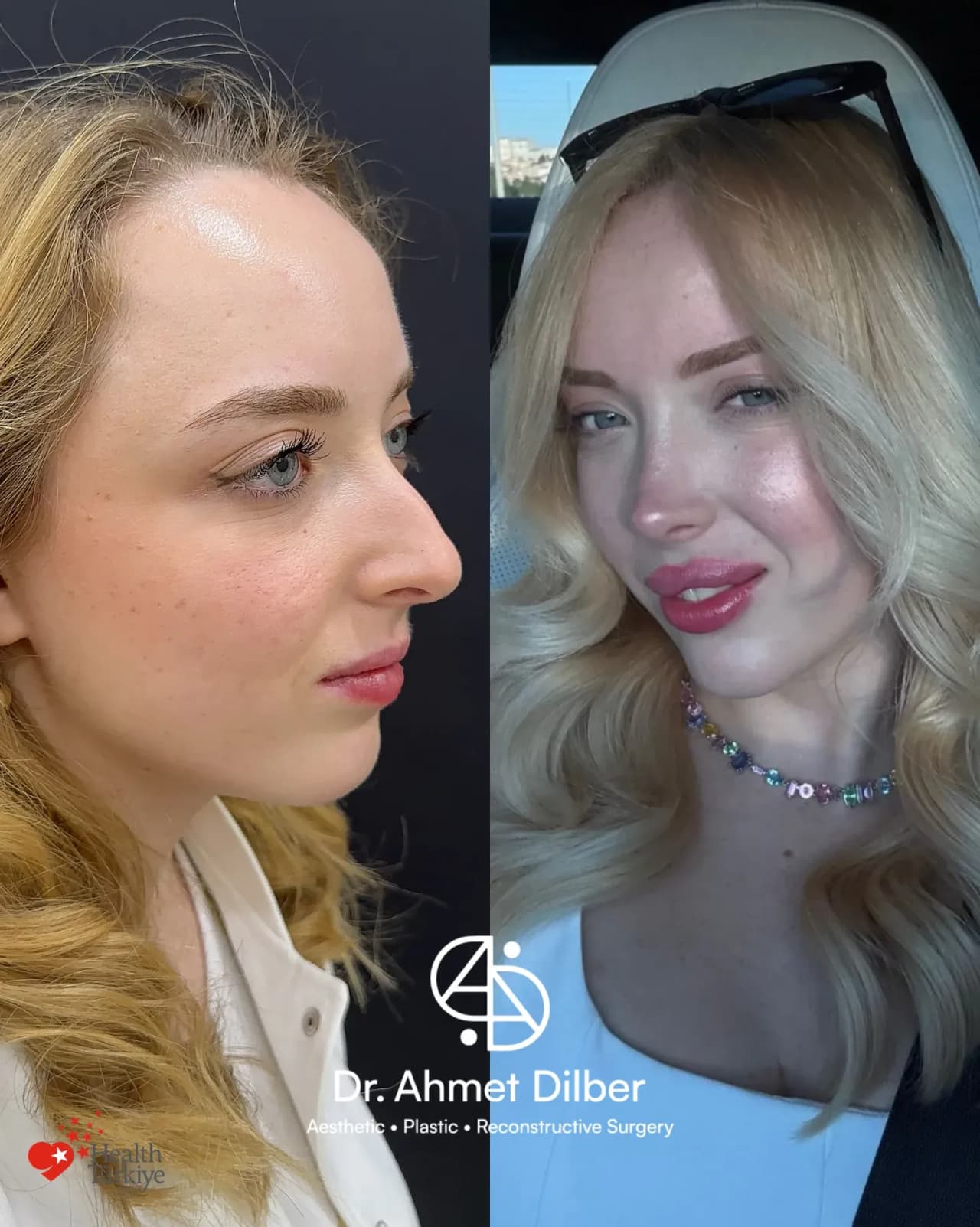
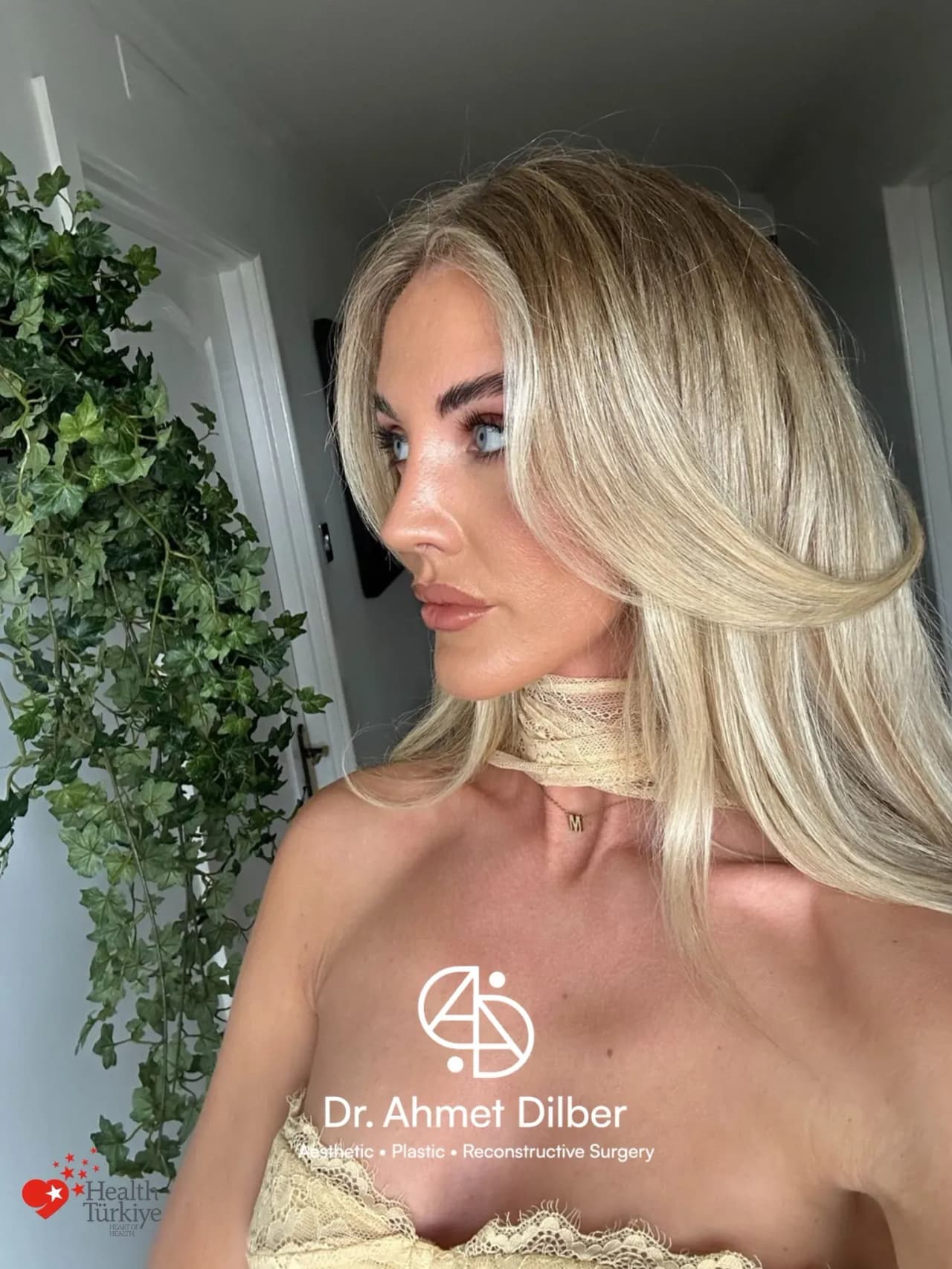
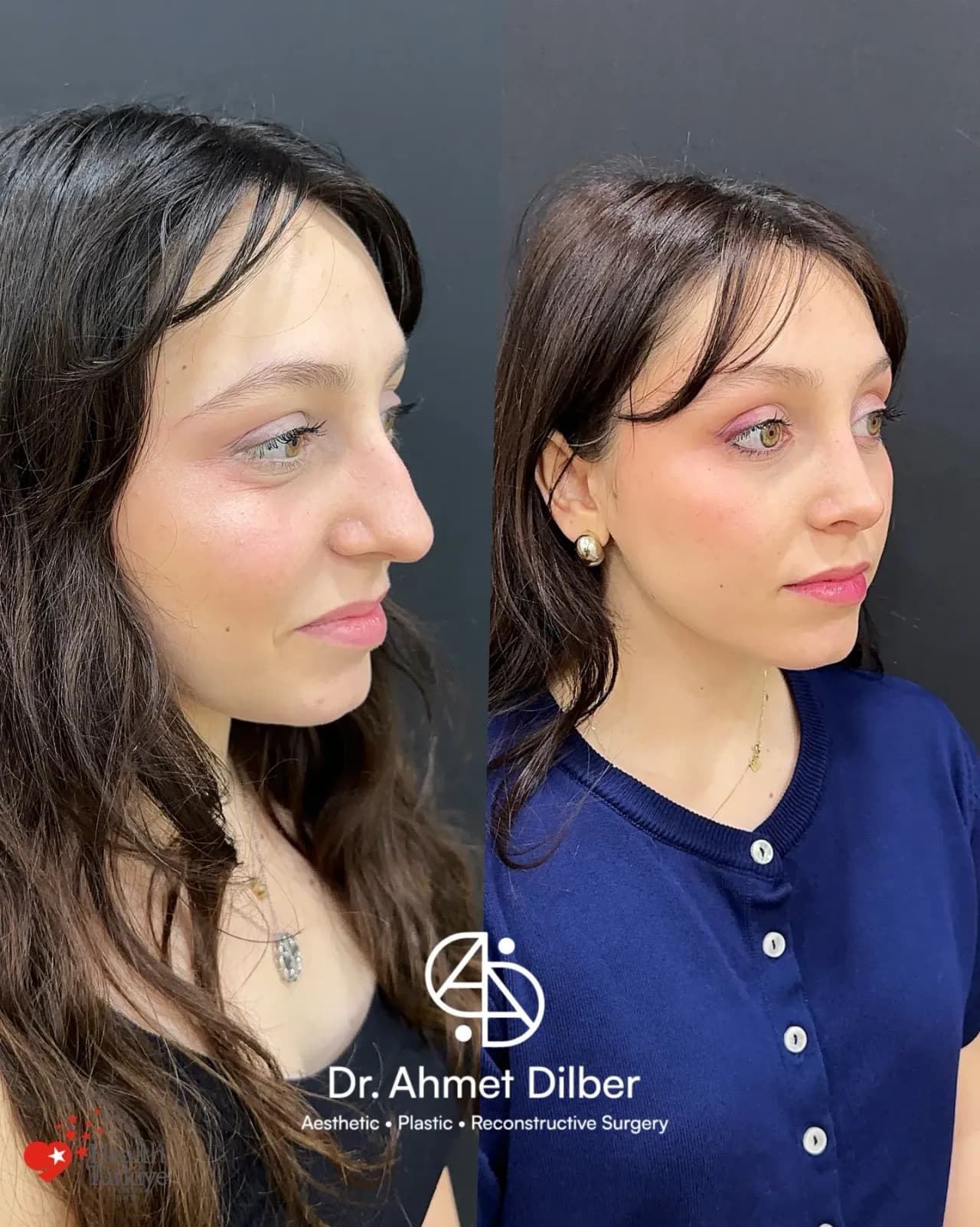
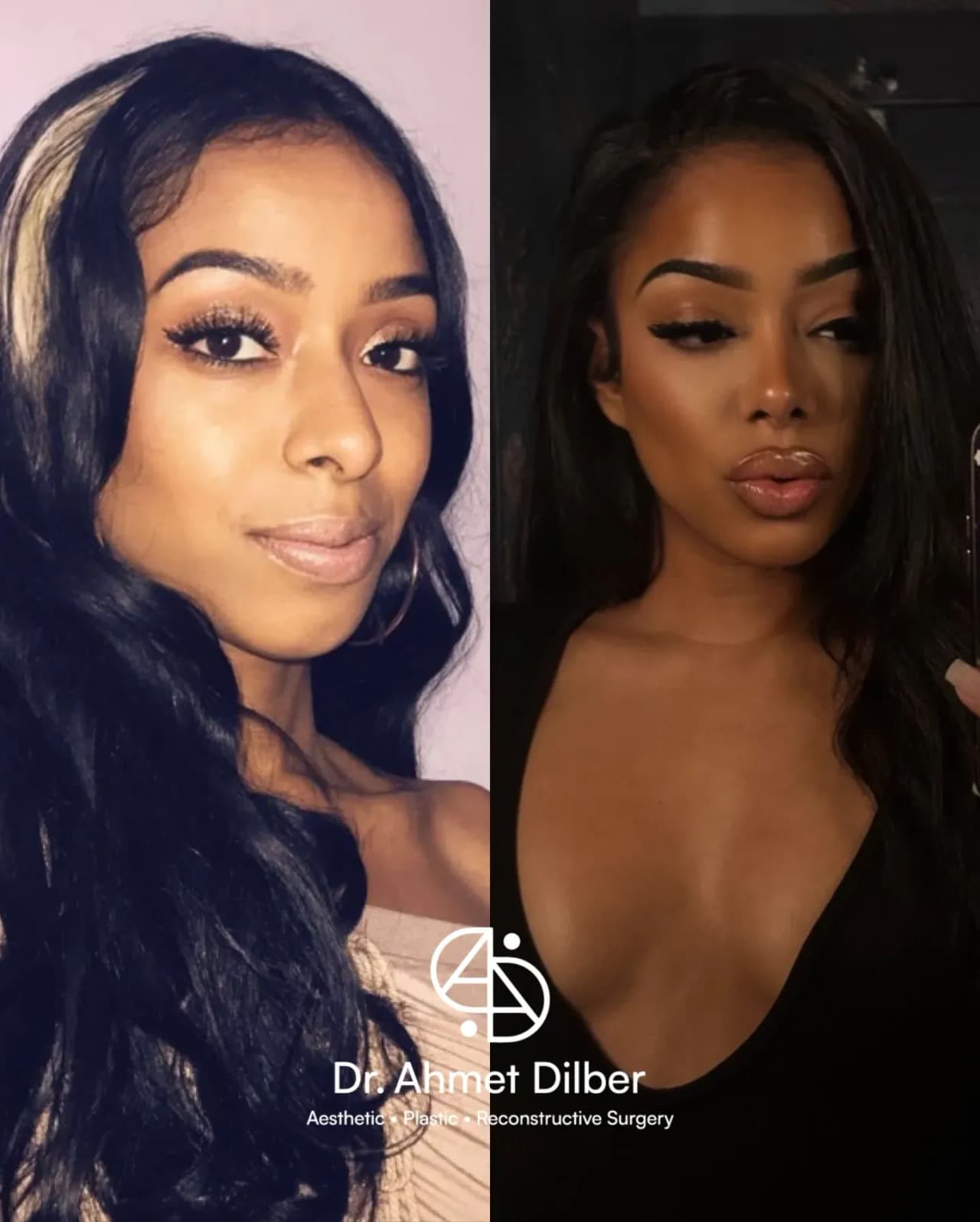

Before and after photos of Op. Dr. Ahmet Dilber's patients, from @drahmetdilber on Instagram. Results vary.
Who is a candidate for rhinoplasty?
Most adults with a concern about the shape of their nose or their breathing can be assessed. Dr. Dilber decides on suitability from your photos and medical history, then confirms it in person. Previous surgery or an old injury does not rule you out.
Age, health and medicines
Rhinoplasty is for patients aged 18 or over; women can be considered from 17 with a parent's consent. The nose should have finished growing, with no medical condition that rules out surgery. Tell the team about your health, medicines and allergies when you send photos. Smoking, vaping and blood-thinning medicines must stop at least 10 days before surgery. After surgery: no smoking for 6 weeks; Dr. Dilber tells you when to restart blood thinners.
Breathing problems
If you have difficulty breathing through one or both sides of your nose, snore or have had a nasal injury, say so in your first message. Breathing problems can be corrected in the same operation as the change in shape. Dr. Dilber examines the inside of the nose at the consultation, as photos cannot show it. A broken or poorly healed nose is assessed case by case.
Previous nasal surgery
A second or later operation on the nose is revision rhinoplasty. It is more demanding than a first operation, because scar tissue and changed skin affect the plan, and cartilage grafts may be used when needed. Dr. Dilber plans a revision at least one year after the previous operation. Send photos from before and after your earlier surgery. See revision rhinoplasty.
What happens before and during your stay in Istanbul?
Before you travel: photo review
Send front and side photos of your nose on WhatsApp, with a short note on your health, breathing and any previous surgery. Dr. Dilber's assistant presents them to him, who decides whether you are a candidate. A video consultation can be arranged if you want one. A hotel and transfer package is available on request.
The day before: consultation in Ataköy
Dr. Dilber sees you in person at his practice in Ataköy, Bakırköy. He examines the nose inside and out, shows the simulation, explains the risks and agrees the plan with you and obtains your consent. Pre-operative tests then take place at Acıbadem Bakırköy Hospital. Bring a list of your medicines and any previous operation records.
Surgery day: one night in hospital
Dr. Dilber performs the operation with the open technique and a piezoelectric device for the nasal bone, under general anaesthesia at Acıbadem Bakırköy Hospital; it takes about 2 hours. Fast for 8 hours beforehand. Internal splints with small airways let you breathe through the nose, and a cast protects the shape. Expect moderate discomfort for the first 2 days, managed with prescribed medication. You stay one night and return to your hotel the next day.
Days 2 to 7: splints and cast removed
Swelling peaks around day 3 and settles within about 2 weeks. Use a cold pack 10 minutes every hour for 2 days, sleep on 3 pillows for 1 week and do not blow your nose while the splints are in. Shower from day 2 with warm or cold water; no hot baths. On day 7 Dr. Dilber removes the splints and cast at the practice and applies tape; you fly home on day 8.
After you return home: tapes and checks
You remove the tape at home after one week, around day 14. Use saline spray 3 times a day for a month; no glasses for 2 months, no sea for 1 month, no pool for 2 months. Protect the nose from knocks, especially during the first 6 months. You send photos on WhatsApp at 1, 3, 6 and 12 months; Dr. Dilber and his assistants review them. Istanbul residents are seen in person.
Your stay in Istanbul
You see Dr. Dilber at his practice in Ataköy, have surgery at Acıbadem Bakırköy Hospital and can stay at a nearby hotel.
The practice in Ataköy
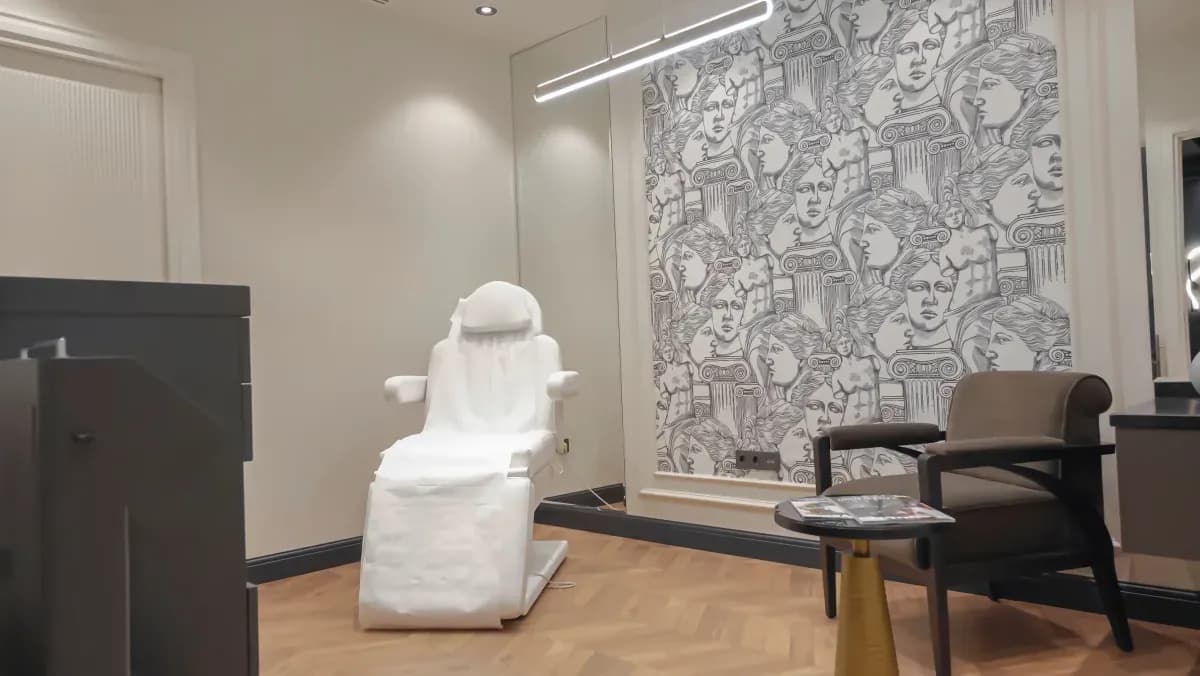
Your consultation, dressing checks and follow-up visits take place at Dr. Dilber's practice in Ataköy, Bakırköy.

Reception 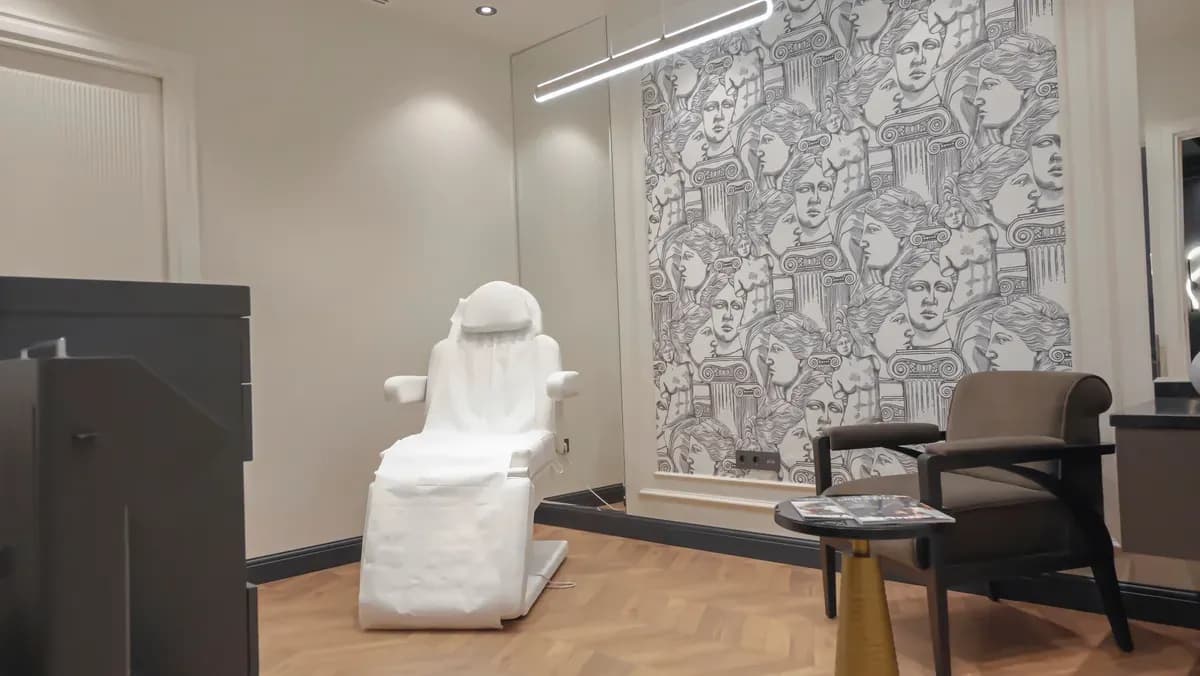
Examination room 
Consultation office 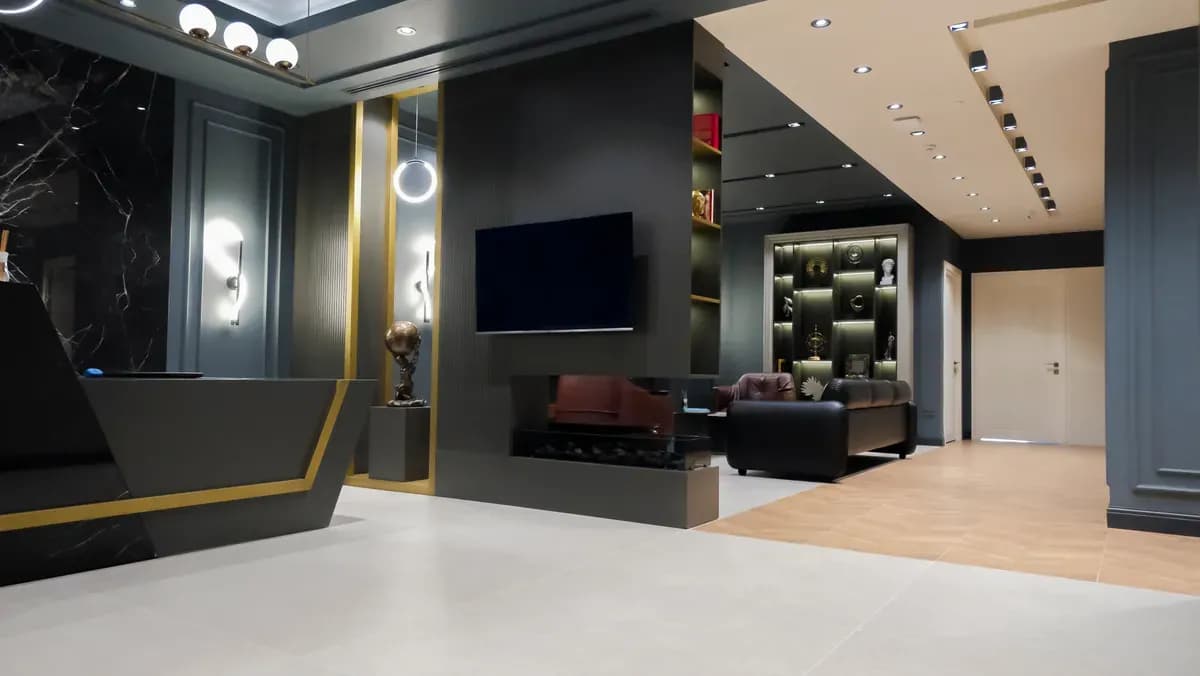
Waiting area
Acıbadem Bakırköy Hospital
Surgery and your night in hospital take place here, with nurses on the ward and Dr. Dilber seeing you before and after the operation.
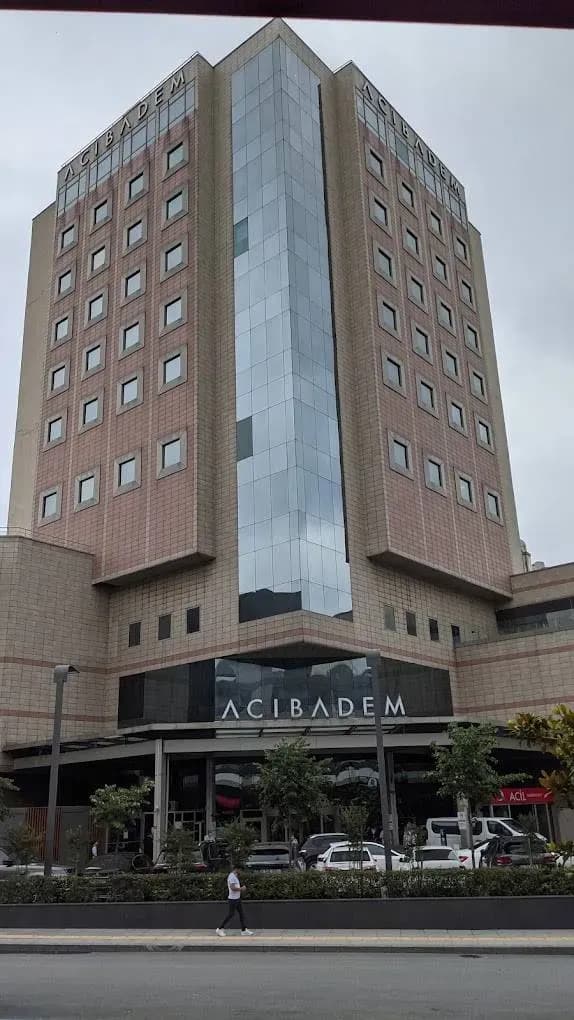
Acıbadem Bakırköy Hospital 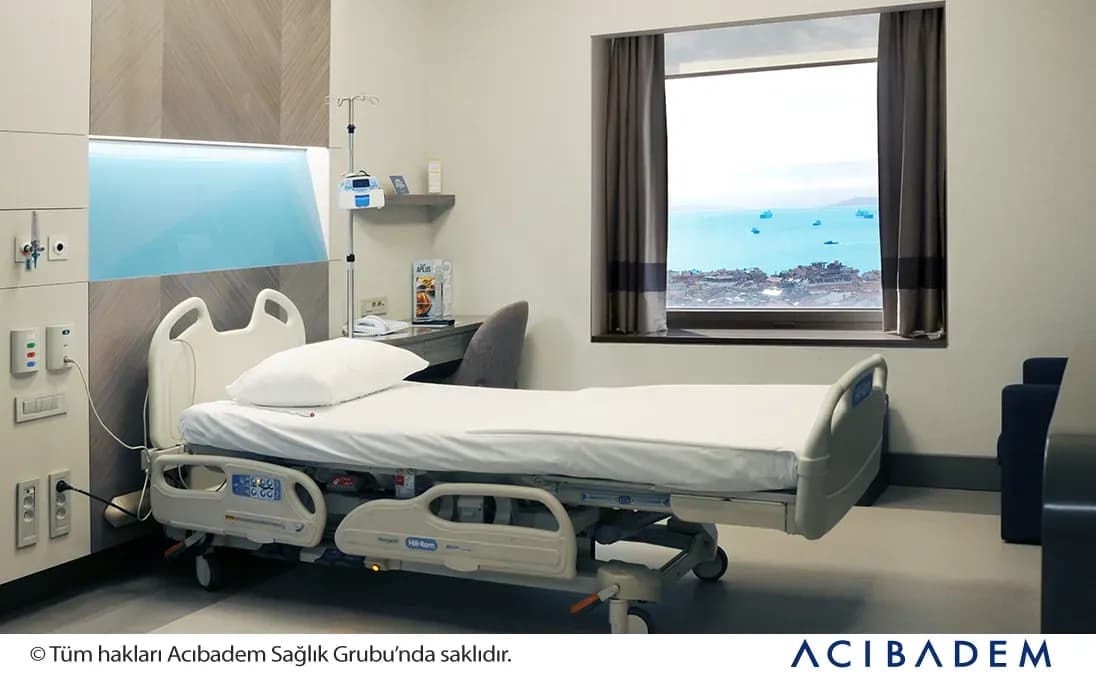
Patient room 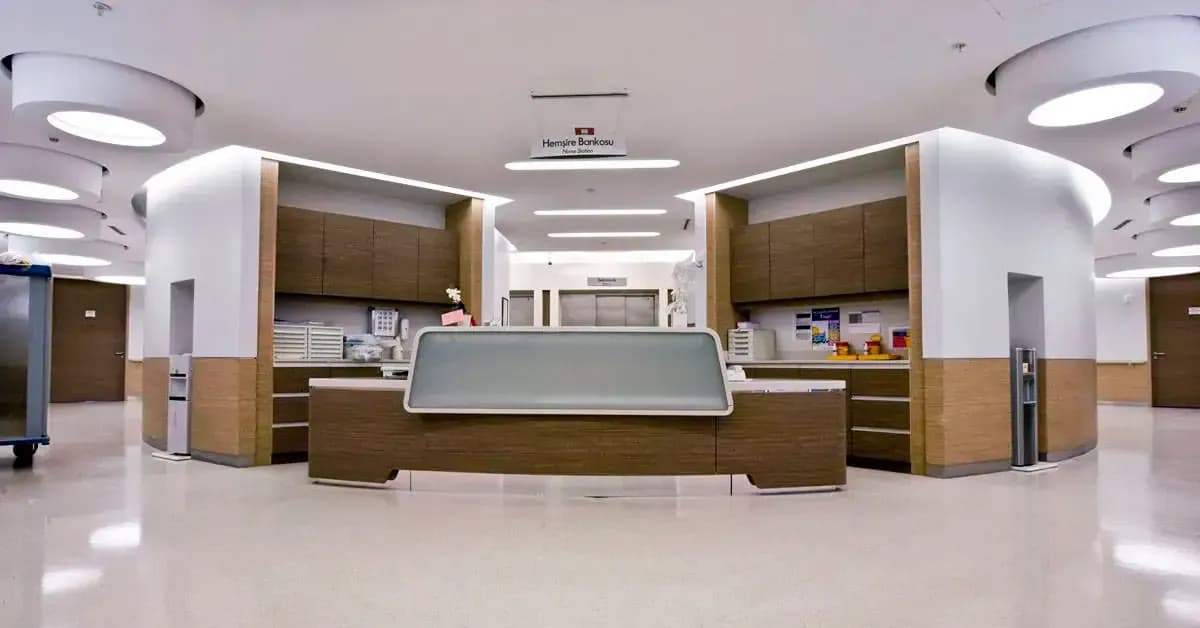
Hospital lobby 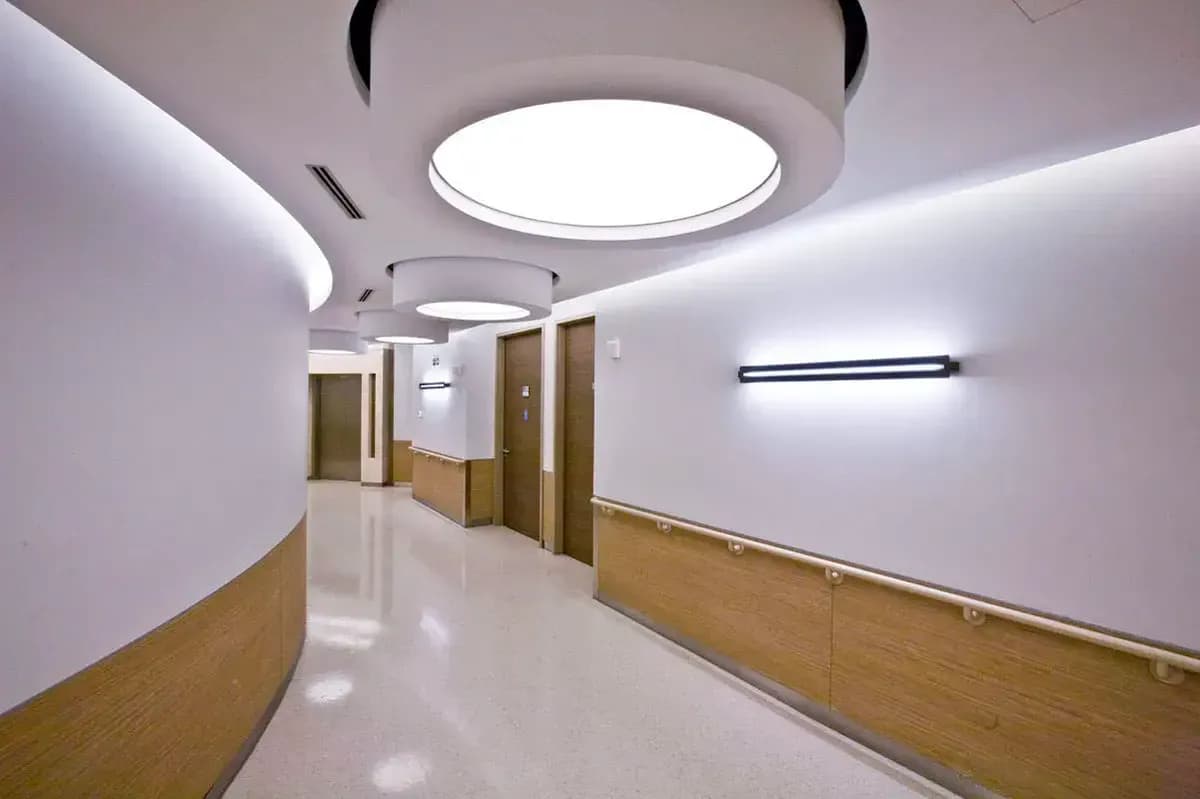
Hospital ward
Hyatt Regency Istanbul Ataköy
A hotel and transfer package is available on request, close to the practice.

Hyatt Regency Istanbul Ataköy 
Hotel room 
Hotel and sea view
What patients say
Scores from independent review platforms, covering all of Dr. Dilber's procedures, as of November 2026, and short excerpts from patient reviews.

4.9/ 5 · 166 reviews
Read reviews on RealSelf →
4.7/ 5 · 201 reviews
Read reviews on Google →
4.6/ 5 · 29 reviews
Read reviews on Trustpilot →

“…listened to exactly what I wanted, and delivered such a natural and beautiful result.”
Milly, UK · Rhinoplasty · July 2026
Read the full review on Trustpilot →“The only regret I have is that I didn't find him sooner.”
Alexandra Badyal, Canada · Rhinoplasty · January 2026
Read the full review on Trustpilot →
“I got rhinoplasty done 2 years ago and so happy with my nose so far.”
nelly34 · Rhinoplasty · July 2026
Read the full review on RealSelf →
How long is recovery after rhinoplasty, and what are the risks?
You are up and walking the day after surgery and back at your hotel after one night in hospital; most patients go out after 2 to 3 days. Dr. Dilber removes the internal splints and cast at the practice on day 7, you can fly home on day 8, and most people return to work after 10 days. Sleep with your head on 3 pillows for 1 week, avoid glasses for 2 months and avoid strenuous exercise for 6 weeks. Sexual activity can resume after 1 week. Facial swelling settles within about 2 weeks, but swelling of the nose itself fades slowly over 6 to 12 months, which is why the last check is at 12 months.
Any cosmetic surgery carries risks. For rhinoplasty they include bleeding, infection, a change in breathing through the nose, a visible scar, asymmetry, the need for revision surgery and the risks of general anaesthesia. The American Society of Plastic Surgeons lists the same kinds of risk. Stopping smoking, vaping and blood-thinning medicines at least 10 days before surgery helps reduce bleeding; avoid smoking for 6 weeks afterwards, and Dr. Dilber tells you when to restart blood thinners. Dr. Dilber explains each risk at the consultation in Ataköy, before you agree to surgery.
You leave with written aftercare instructions and an operation summary in English and Turkish. After you fly home, follow-up continues by photo on WhatsApp. Slight bleeding in the first week is usual. If bleeding is heavy, breathing gets worse, redness spreads or you develop a fever, send photos and a message straight away; Dr. Dilber advises on treatment, adjusts medication if needed and tells you whether to see a doctor locally.
Recovery milestones after rhinoplasty
Up and walking; leave hospital
When: Day 1, after one night
Splints and cast removed; fly home
When: Day 7 at the practice; fly home day 8
Back to work; tape removed at home
When: Day 10; tape on day 14
Sleep with head on 3 pillows
When: First week
Strenuous exercise
When: After 6 weeks
Protect the nose from knocks
When: Especially the first 6 months
Frequently asked questions
If your breathing problem comes from the structure inside the nose, it can be corrected in the same operation as the change in shape. Tell the team about a blocked nose that affects your breathing, snoring or past injuries when you send your photos. Dr. Dilber examines the inside of the nose at the consultation, because photos cannot show it, and explains what the operation can and cannot change. A change in breathing is also one of the risks he discusses.
Yes, reducing the size of the nose is one of the changes rhinoplasty can make. How much it can change depends on the bone, cartilage and skin, and on keeping the nose in balance with the rest of your face. Dr. Dilber shows a simulation of the expected appearance at the consultation, so you can discuss size and shape with him before you agree to surgery. If a smaller change would suit your face better, he tells you.
Not yet. On day 7, when Dr. Dilber removes the splints and cast, you see the new shape for the first time, but the nose is still swollen. Swelling peaks around day 3, and facial swelling settles within about 2 weeks. Swelling of the nose itself fades slowly over 6 to 12 months, and the final shape is assessed at around 12 months. Treat early photos as a stage of healing, not the result.
People who have had rhinoplasty often mention sleeping on 3 pillows for the first week, not blowing the nose while the splints are in, going without glasses for 2 months and getting used to a changed face while it is still swollen. Plan the first week with rest, light meals and someone nearby to help. Expect moderate discomfort for the first 2 days, managed with prescribed medication. If anything worries you after you leave Istanbul, send photos on WhatsApp.
Arrive the day before surgery for the consultation in Ataköy and the pre-operative tests. After one night in hospital you recover at your hotel. Dr. Dilber removes the internal splints and cast at the practice on day 7, and you can fly home on day 8. Your surgery and travel dates are agreed with you in advance. The tape stays on for one more week, and you remove it at home.
Combined surgery is possible if Dr. Dilber finds you suitable after reviewing your health. Some patients pair rhinoplasty with forehead reduction, eyelid surgery or a brow lift, because these change facial proportion. A combined operation can take 5 to 6 hours and changes your recovery, so the details of each part are explained after the consultation. See combined procedures.
Confirm who operates, where the consultation and surgery take place, how long you need to stay and what happens if a problem appears after you fly home. Ask for these answers in writing. With Dr. Dilber, the consultation is in person in Ataköy the day before surgery, surgery is at Acıbadem Bakırköy Hospital and checks continue to 12 months. The NHS publishes advice on surgery abroad; see also where we operate.
There is no price list. The cost depends on whether this is a first operation or a revision, whether breathing correction is needed and any combined procedure. After Dr. Dilber reviews your photos and decides you are suitable, you receive a written quotation. It covers surgery, anaesthesia, pre-operative tests, one night in hospital and follow-up checks; medication, hotel and transfer are not included. The cost page explains each factor.
Explore the practice
 About Dr. DilberTraining, hospital and how he works with patients from abroad.Read his profile →
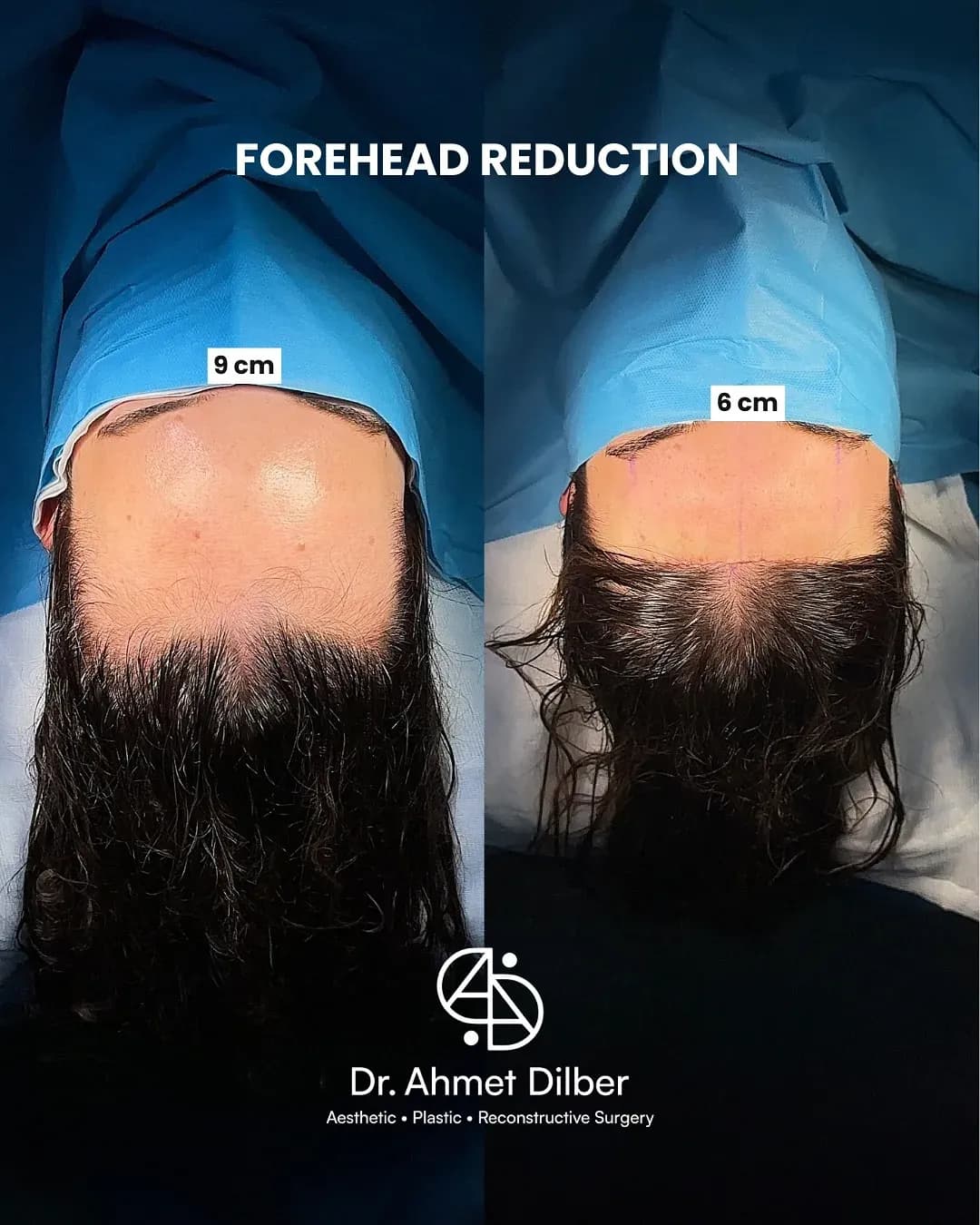 Before and after resultsBefore and after photos of Dr. Dilber's patients. Results vary.See the gallery →
 Patient guide (PDF)The guide we send every patient: timeline, medication, aftercare.Download the guide →
Send your photos. Find out if rhinoplasty suits you.
Photograph your nose from the front and both sides in daylight, and add a note about your breathing and any previous surgery. Dr. Dilber reviews them, and the team replies on WhatsApp with his view and the next steps.
