

Deep Plane Facelift in Turkey: How It Compares with a SMAS Facelift
A deep plane facelift releases tissue beneath the SMAS, the supporting layer under the skin, so skin, fat and SMAS move together as one unit. A SMAS facelift tightens that layer separately from the skin. Both use similar incisions around the ear. Published reviews have not shown either to be better for everyone, so the choice depends on your anatomy and goals.
Send your photos on WhatsAppRead the facelift guide


Ratings as of November 2026
Acıbadem Bakırköy
where Dr. Dilber operates, with one night of hospital care
1 year
of follow-up after surgery, in person or on WhatsApp
Licensed
for international health tourism by the Turkish Ministry of Health
What do SMAS and deep plane mean?
The SMAS (superficial musculoaponeurotic system) is a sheet of fibrous and muscle tissue that lies beneath the skin and fat of the face. With age, this layer and the fat on it descend, which contributes to jowls and deeper folds. Many facelift techniques treat the SMAS rather than pulling on skin alone.
In a SMAS facelift, the surgeon lifts the skin, then tightens the SMAS by folding and stitching it (plication) or by removing a strip and closing the gap (SMASectomy), before redraping the skin. Skin and SMAS are handled as two layers. In a deep plane facelift, the surgeon goes beneath the SMAS in the cheek and releases the retaining ligaments that tether it, so skin, fat and SMAS move as one unit with less tension on the skin.
The choice of technique depends on your needs and Dr. Dilber's recommendation: SMAS, deep plane, mid-face or mini lift. At the consultation in Ataköy he tells you which one he recommends and why. [Read the facelift guide](/facelift-turkey/) for the full process, or more about Dr. Dilber.



Mid facelift, brow lift and facelift results


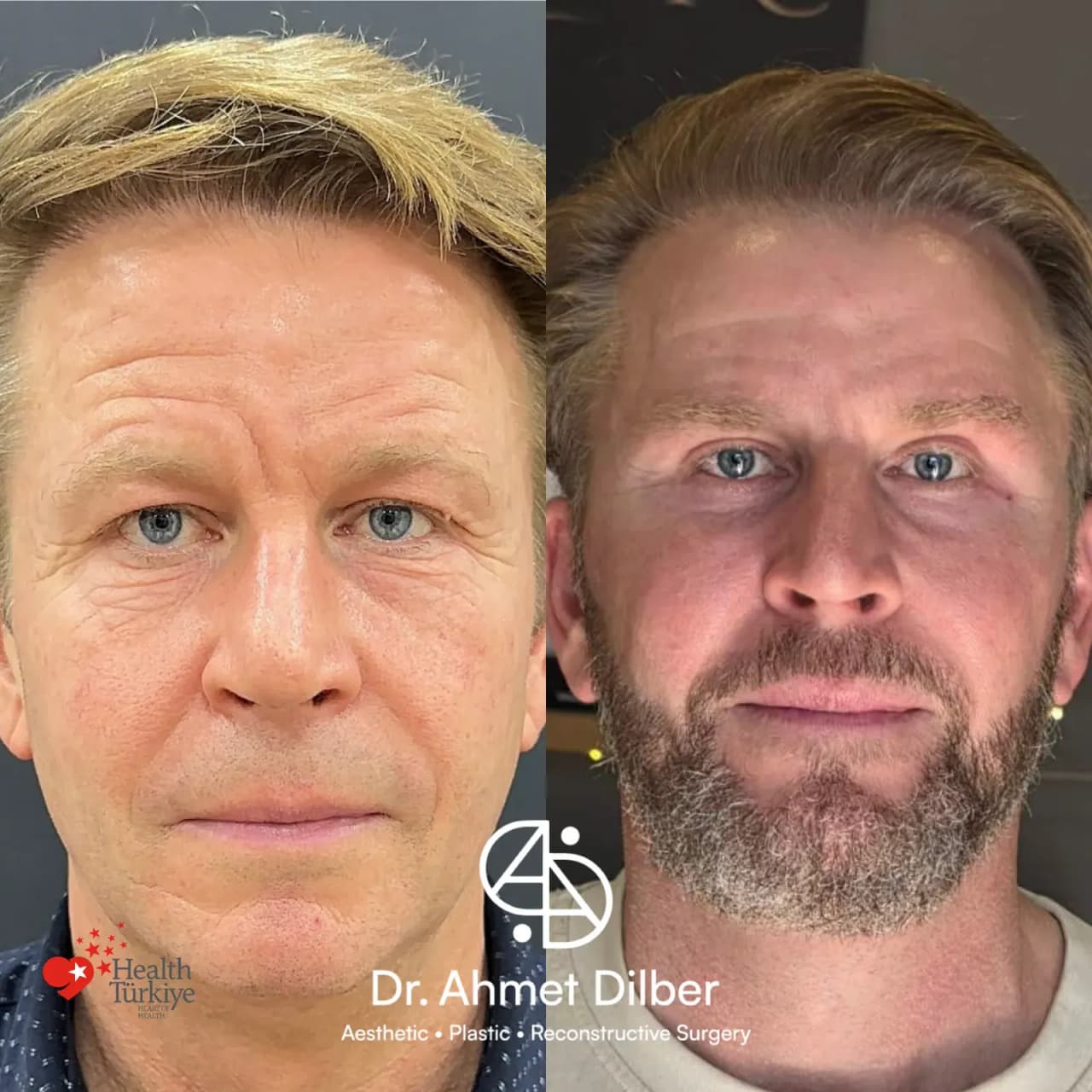
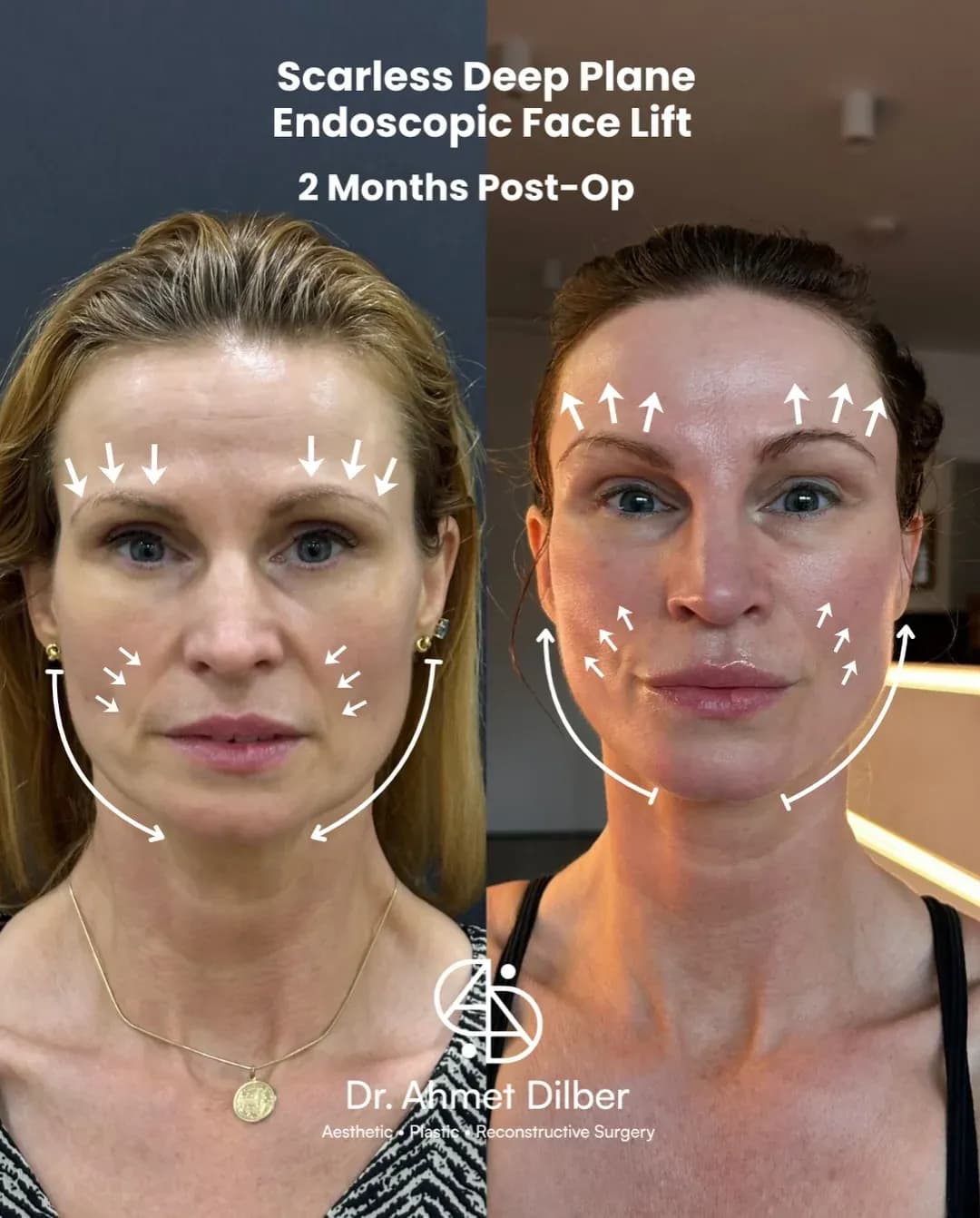
Before and after photos of Op. Dr. Ahmet Dilber's patients, from @drahmetdilber on Instagram. Results vary.
How do deep plane and SMAS facelifts compare?
The two approaches share more than advertising suggests. Both are performed under general anaesthesia, use incisions around the ear that extend into the scalp, and treat the lower face and jawline. The difference lies beneath the skin: how deep the dissection goes and whether the retaining ligaments are released. That changes what moves, not where the scars sit.
Claims that one technique lasts years longer, or heals faster, are not settled by the evidence. A 2026 systematic review of 17 studies found that all the SMAS-based categories it assessed improved the face, and it did not find a consistent advantage in midface result or longevity for the deeper, medially based approaches. Read the review on PubMed.
With Dr. Dilber, a facelift takes 4 to 5 hours under general anaesthesia with one night in hospital, whichever of the two techniques is used. Drains may be used after a deep plane facelift. The dressing comes off at the day-5 check, you can leave Istanbul at the end of day 5, and most people return to work after 10 to 14 days.
Deep plane vs SMAS facelift at a glance
What is lifted
SMAS facelift: Skin and SMAS separately, as two layers
Deep plane facelift: Skin, fat and SMAS together, as one unitHow the SMAS is treated
SMAS facelift: Folded and stitched, or a strip removed
Deep plane facelift: Lifted from beneath, with retaining ligaments releasedIncision
SMAS facelift: Around the ear, extending into the scalp
Deep plane facelift: Around the ear, extending into the scalpMain areas treated
SMAS facelift: Jowls, jawline, upper neck
Deep plane facelift: Jowls, jawline, cheek and midfaceRecovery
SMAS facelift: Depends on extent of surgery and any neck work
Deep plane facelift: Depends on extent of surgery and any neck workOften discussed for
SMAS facelift: Mild to moderate lower-face laxity
Deep plane facelift: Marked cheek descent and deep folds
Which approach might suit you?
There is no single right answer, and Dr. Dilber recommends an approach only after examining you. These are the situations each is often discussed for.
When a SMAS facelift is often discussed
Loosening mainly along the jawline and jowls, with the cheeks still fairly well supported. Thinner skin, or a preference for less extensive dissection. A previous facelift, where the layers may already be scarred and the plan depends on what was done before. The SMAS can be tightened in different ways, so ask which one is planned.
When a deep plane facelift is often discussed
Descent of the cheek as well as the jawline, with deeper folds between the nose and mouth. Heavier facial tissue, where moving skin and SMAS together reduces tension on the skin. A wish to treat the midface in the same operation. Ask how much ligament release is planned and what it will change in your face.
When something smaller fits
Early, mild changes may suit a mini facelift of about 2 hours or a mid-face lift of 2.5 to 3 hours; neither leaves a visible surface scar. Loose skin and fat mainly under the chin may suit a neck lift. Volume loss without much sagging may not need a facelift at all. Dr. Dilber tells you if a facelift is more than you need.
How is the technique chosen for you?
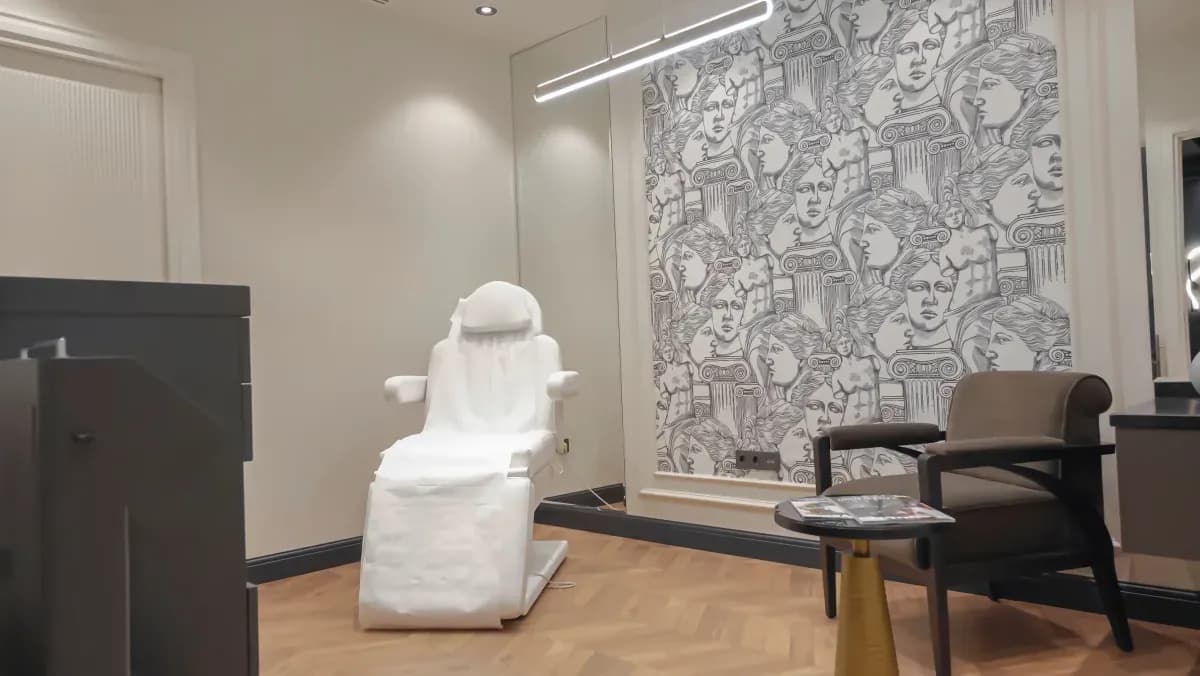
Photo review before you travel
Send photos of your face from the front, left and right on WhatsApp, with your hair tied back, plus your medical history. Dr. Dilber's assistant presents them to him, who gives a first view of what a facelift could treat. A video consultation can be arranged if needed.
Consultation the day before surgery
Dr. Dilber examines you in person at his practice in Ataköy, Istanbul. He assesses your skin, the position of the cheeks and jawline and the neck, then explains the technique he recommends, its limits and the alternatives. Health tests and the anaesthetic assessment follow at Acıbadem Bakırköy Hospital.
A written plan in plain words
Your plan names the procedure, whether the neck is included and any other operation combined with it. Ask for the technique to be described in plain words: which layer is lifted and whether ligaments are released. Your dates are agreed with you, and you leave Istanbul at the end of day 5.
Surgery and follow-up at home
Surgery takes 4 to 5 hours under general anaesthesia; drains may be used after a deep plane facelift. The dressing comes off at the day-5 check, and you leave that evening. Back home you send photos on WhatsApp at 1, 3, 6 and 12 months; for redness, discharge or increasing pain, send them at once. See aftercare.
Your stay in Istanbul
You see Dr. Dilber at his practice in Ataköy, have surgery at Acıbadem Bakırköy Hospital and can stay at a nearby hotel.
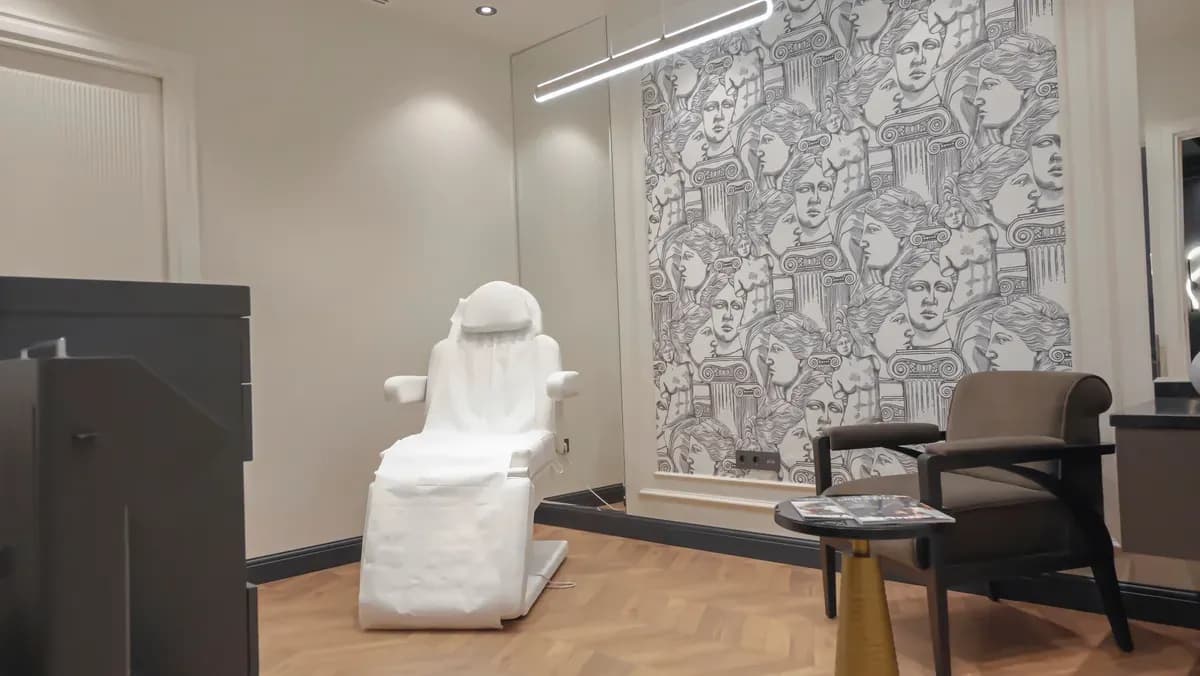
The practice in Ataköy 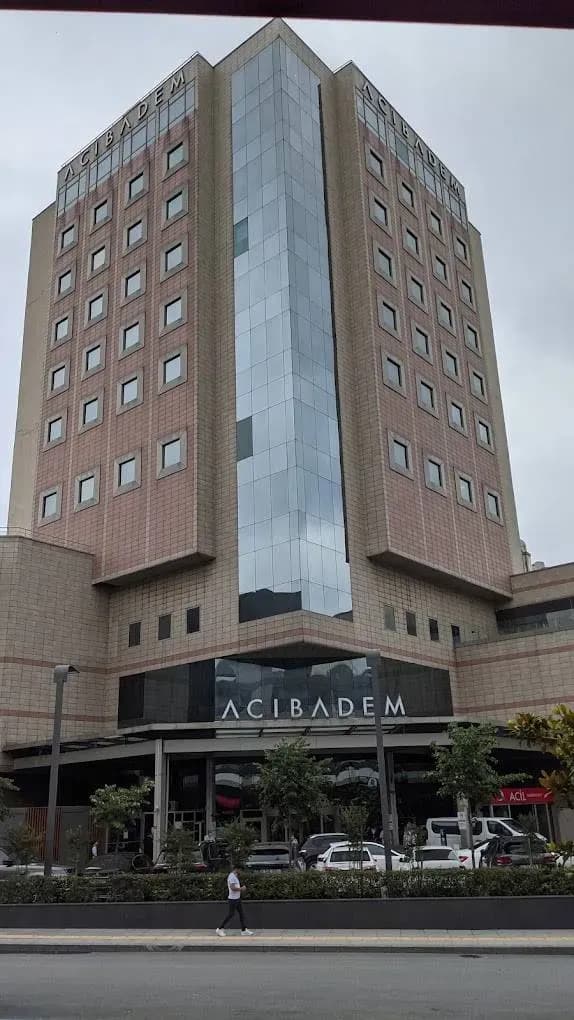
Acıbadem Bakırköy Hospital 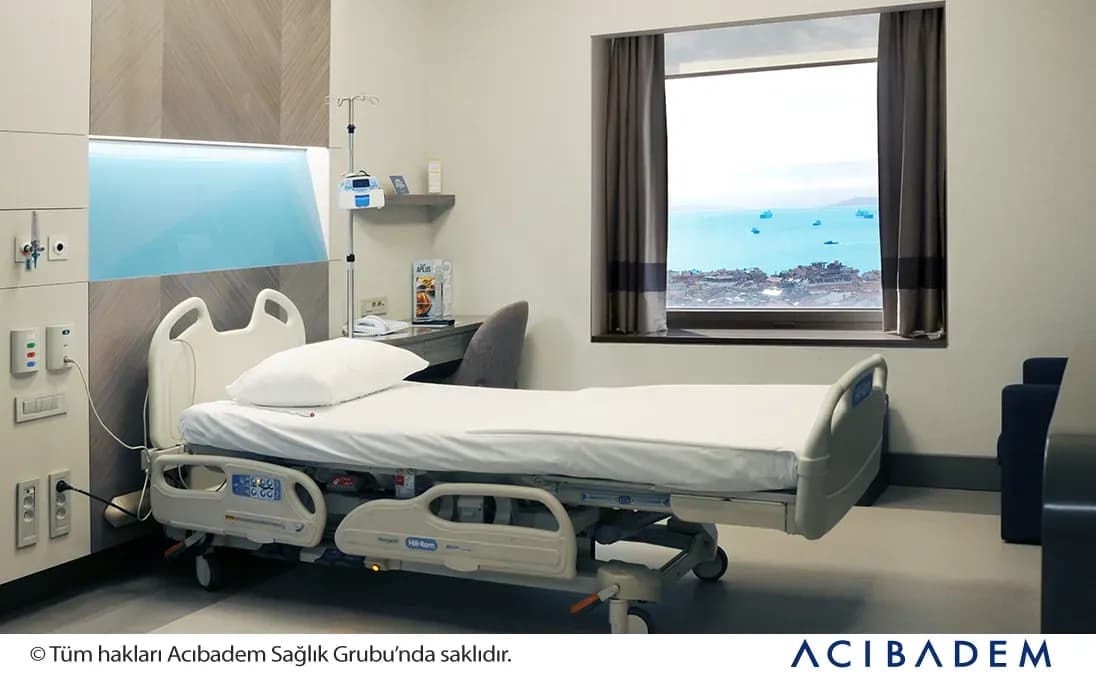
Patient room 
Hotel room, on request
What are the risks, and does recovery differ?
Any cosmetic surgery carries risks. Both approaches share the risks of any facelift: bleeding, infection, temporary numbness, a visible scar, hair loss along the incisions, asymmetry and the possibility of revision. Neither technique removes these risks; the extent of surgery, your health and smoking matter too. Stop smoking, vaping and blood-thinning medicines at least 10 days before surgery. Dr. Dilber goes through each risk at the consultation in Ataköy, before you agree to surgery.
Recovery depends more on how much is done, and whether the neck is treated, than on the name of the technique. Drains may be used after a deep plane facelift; a mid-face lift does not need them. Expect tightness and mild pain, eased by prescribed medication. Swelling and bruising are most visible in the first two weeks. Avoid heavy exercise for 6 to 8 weeks and protect your face from the sun. The facelift safety page and the recovery guide give more detail.
Recovery points to discuss
Operating time
SMAS facelift: 4 to 5 hours, general anaesthesia
Deep plane facelift: 4 to 5 hours, general anaesthesiaDrains
SMAS facelift: Decided by Dr. Dilber for your operation
Deep plane facelift: May be usedLeave Istanbul
SMAS facelift: End of day 5, after the check
Deep plane facelift: End of day 5, after the checkSwelling and bruising
SMAS facelift: Depends on extent of surgery
Deep plane facelift: Depends on extent of surgeryScars
SMAS facelift: In the scalp and natural ear creases
Deep plane facelift: In the scalp and natural ear creasesBack to work
SMAS facelift: After 10 to 14 days
Deep plane facelift: After 10 to 14 days
Frequently asked questions
The evidence does not show one technique to be better for everyone. A 2026 review of 17 studies found improvement across SMAS approaches and no consistent advantage in midface result or longevity for the deeper ones it assessed. The techniques are not identical: they move tissue in different ways, which may matter for your anatomy. Judge a recommendation by how well it explains what will be done in your face.
Not always. Advertising uses the name loosely, and some operations described as deep plane involve less ligament release than others. Ask which layer is lifted, how far the dissection goes and which ligaments are released, and make sure your written plan describes it in plain words. The label alone does not tell you what operation you are having.
Claims of extra years are not established. The 2026 systematic review did not find a consistent longevity advantage for deeper approaches, and study designs varied. Any facelift lasts for many years but does not stop ageing; how long the result holds depends on your skin, anatomy, technique, sun exposure, smoking and weight change. No technique gives a fixed number of years.
No consistent difference has been shown. Recovery depends more on how much is done, whether the neck is treated and how you heal. Drains may be used after a deep plane facelift. With Dr. Dilber you are up and walking the day after surgery, can shower from day 2, leave Istanbul at the end of day 5 and usually return to work after 10 to 14 days.
Often, yes, but it is not automatic with either technique. Both can tighten the upper neck through the same incisions; loose skin and fat lower in the neck may need a neck lift, done separately or in the same operation, as Dr. Dilber recommends. Your written plan should state whether neck work is included. The neck lift page explains the difference.
Arrive the day before surgery for the consultation with Dr. Dilber in Ataköy and the tests at Acıbadem Bakırköy Hospital. After one night in hospital you recover at your hotel. On day 5 Dr. Dilber removes the dressing and checks your healing, and you can leave Istanbul at the end of that day. Your dates are agreed together with you.
Explore the practice
 About Dr. DilberTraining, hospital and how he works with patients from abroad.Read his profile →
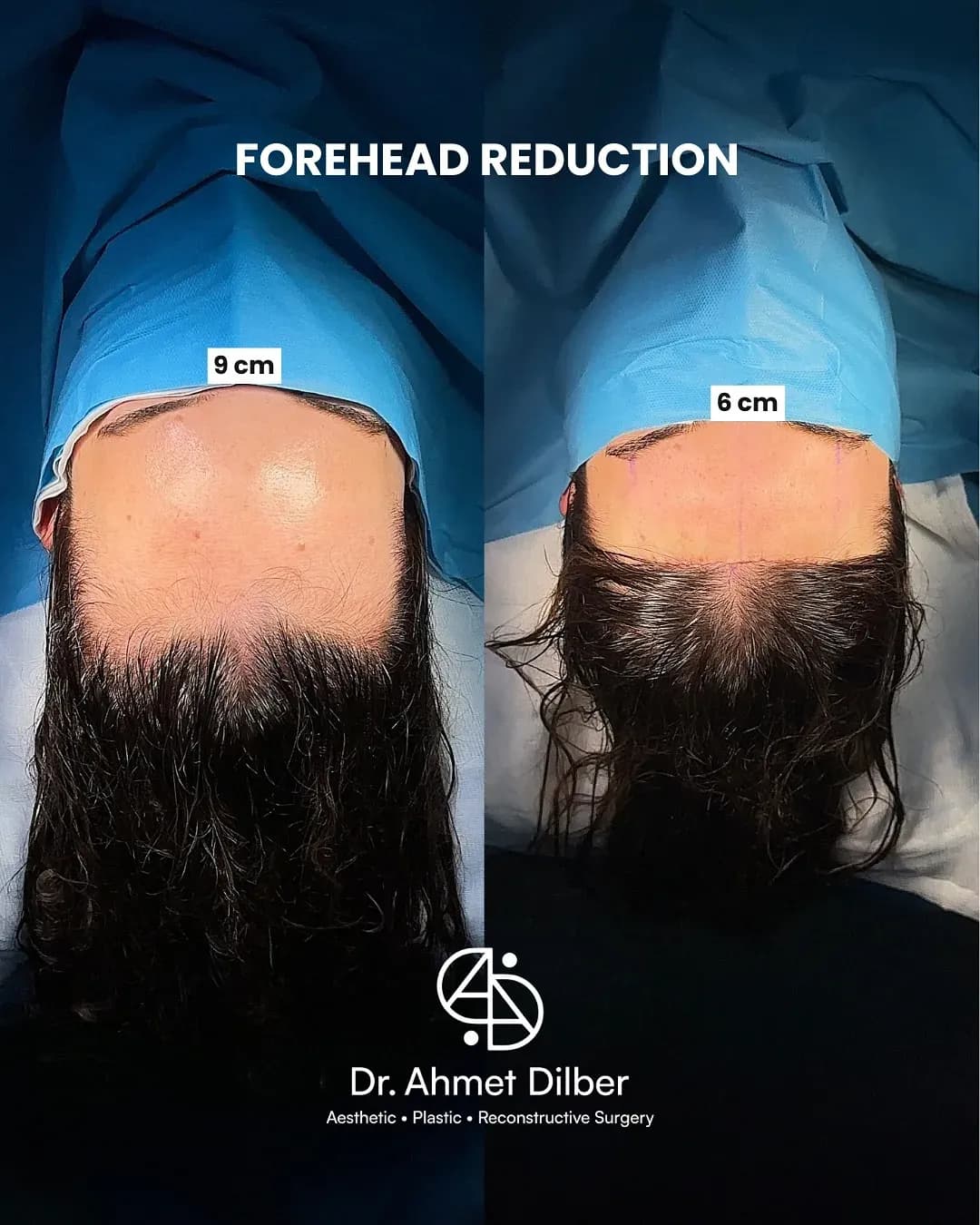 Before and after resultsBefore and after photos of Dr. Dilber's patients. Results vary.See the gallery →
Send three photos. Ask which facelift suits your face.
Photograph your face from the front, left and right with your hair tied back. Dr. Dilber reviews them, and the team replies on WhatsApp with his view on the approach and the next steps.
