

Hairline Lowering for Women
Hairline lowering for women shortens a high forehead by moving the hair-bearing scalp forward, and can soften or round the outline of the hairline. Op. Dr. Ahmet Dilber performs it in Istanbul under general anaesthesia in 1.5 to 2 hours, with one night in hospital. The result shows straight away, it works with short or long hair, and the bone is never touched.
Send your photos on WhatsAppWho is a candidate?

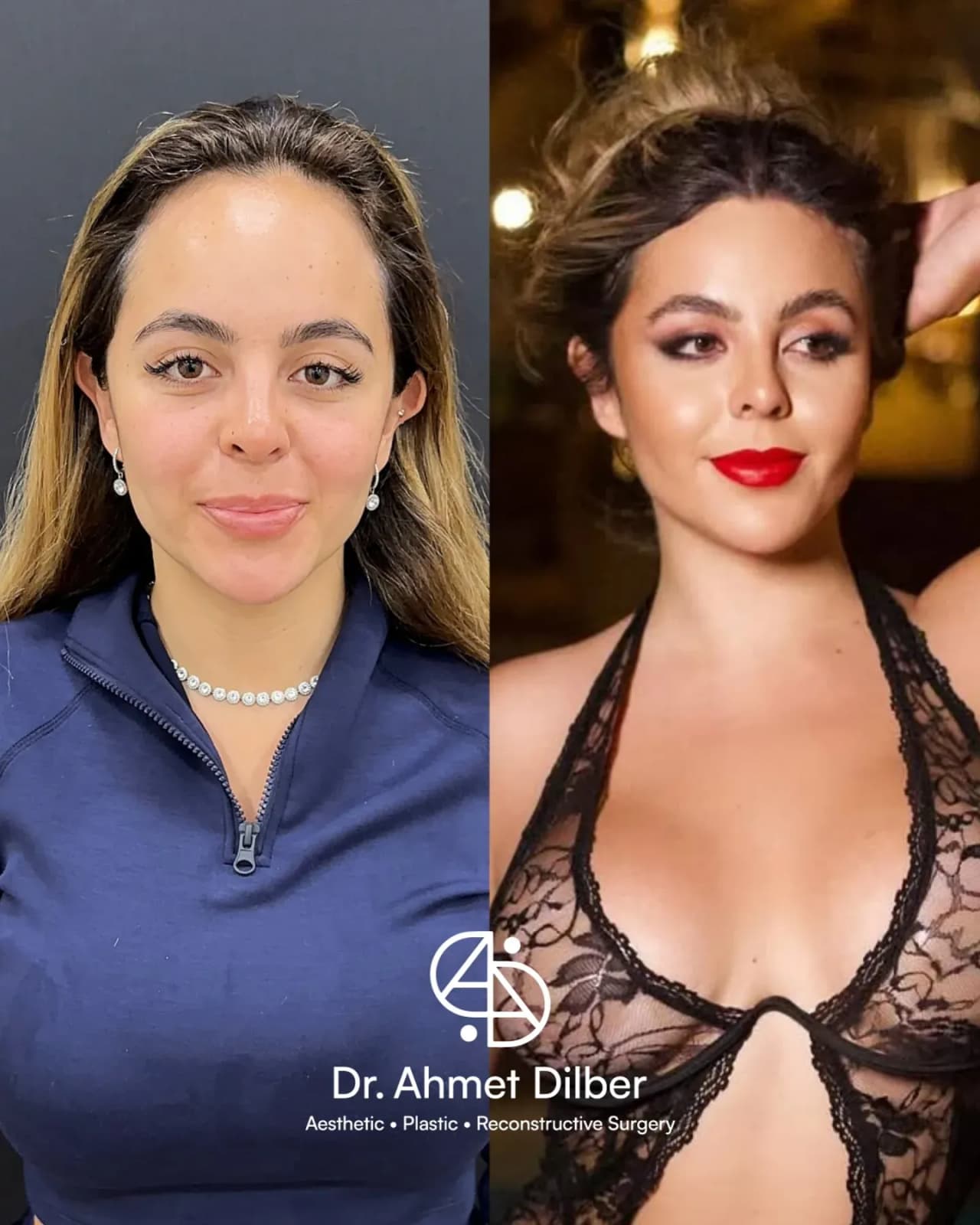
Before and after, forehead reduction. Results vary.
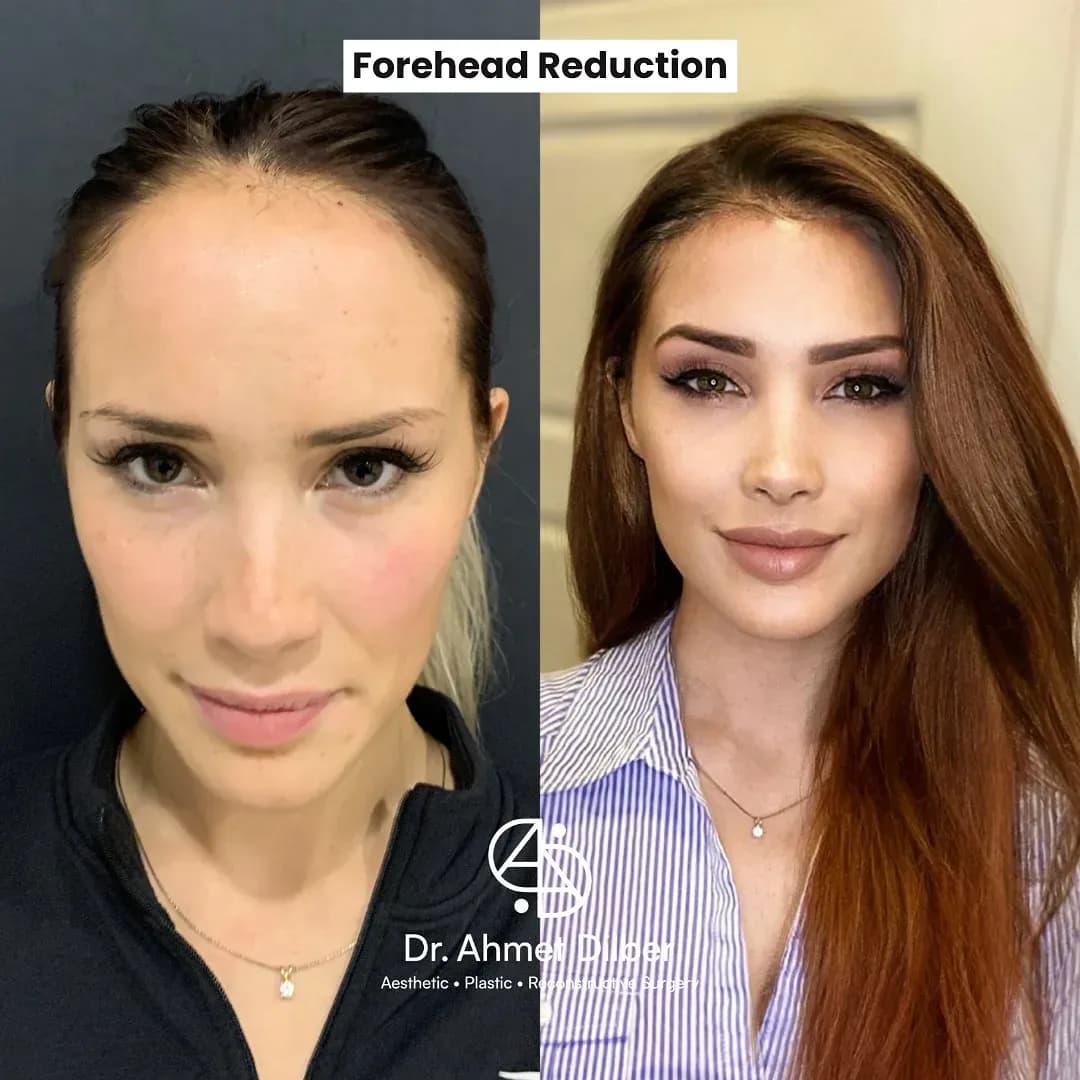
Before and after, forehead reduction. Results vary.
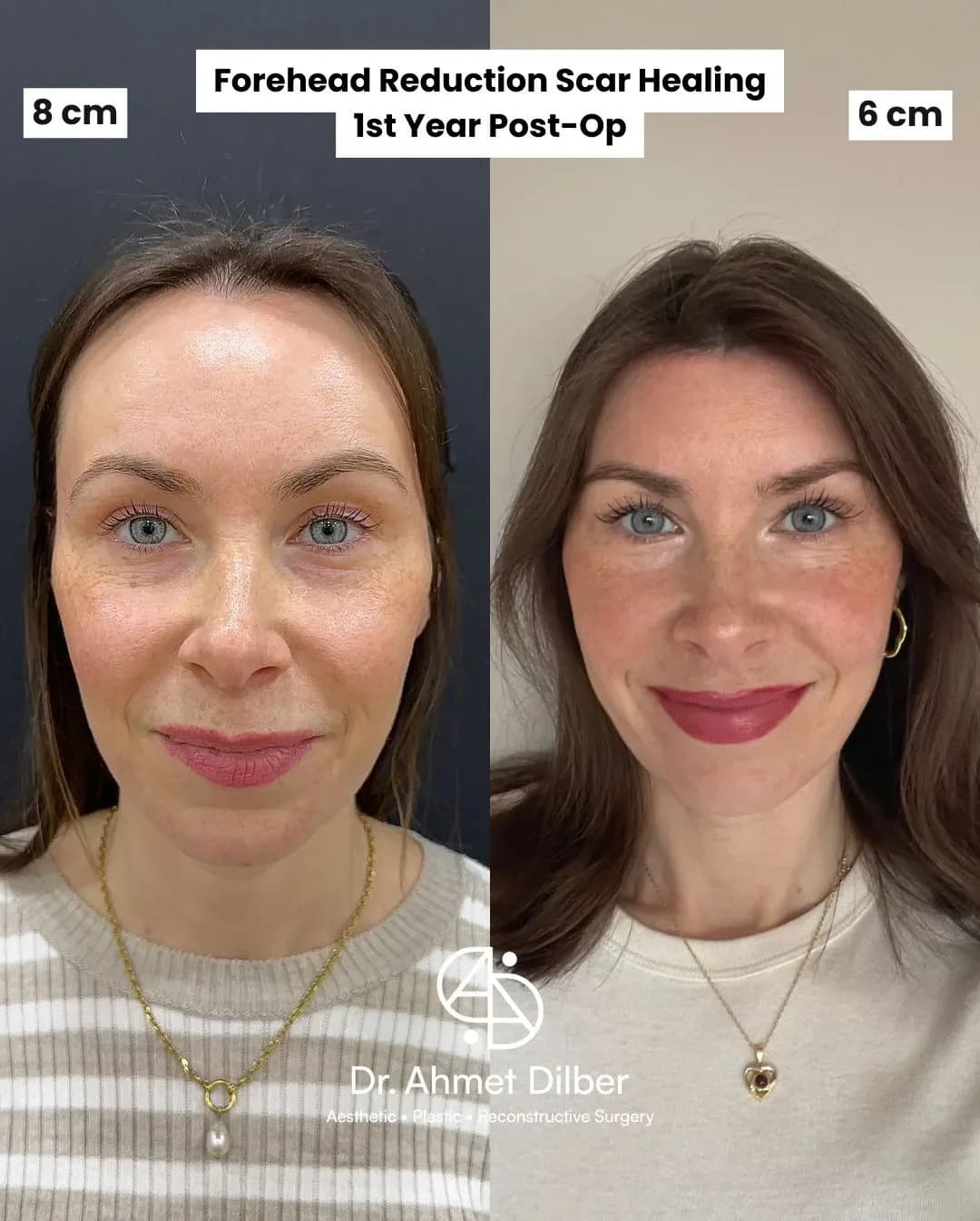
Before and after, forehead reduction. Results vary.



Ratings as of November 2026
Acıbadem Bakırköy
where Dr. Dilber operates, with one night of hospital care
1 year
of follow-up after surgery, in person or on WhatsApp
Licensed
for international health tourism by the Turkish Ministry of Health
What hairline shape can a woman ask for?
Most women who ask about hairline lowering want a shorter forehead, but the outline matters as much as the height. Common goals are a softer, rounder curve, fuller-looking temples, or keeping a widow's peak that is part of how you look. There is no single ideal shape or proportion. The plan starts from your face and your own hair pattern.
Dr. Dilber marks the new hairline with you at the consultation in Ataköy, the day before surgery. How far it can come forward depends on how loose your scalp is. Scalp advancement lowers the central hairline well; the temple corners are harder to move this way. Dr. Dilber does not perform hair transplants; if you later want more hair at the temples, a hair-transplant clinic can do it about one year after forehead reduction. See forehead reduction vs hair transplant.
Hairline goals and what decides them
Shorter forehead
What it involves: Scalp moved forward along the hairline
What decides it: Scalp looseness and current forehead heightRounder, softer outline
What it involves: New hairline drawn as a gentle curve
What decides it: Your hair pattern and scalp movementFuller temples
What it involves: Limited with scalp advancement alone
What decides it: Temple density; a transplant elsewhere laterKeep a widow's peak
What it involves: Peak kept within the new line
What decides it: Marked and agreed at consultationA lasting result
What it involves: Surgery only on a stable hairline
What decides it: Your hair history and older photos
Forehead reduction results
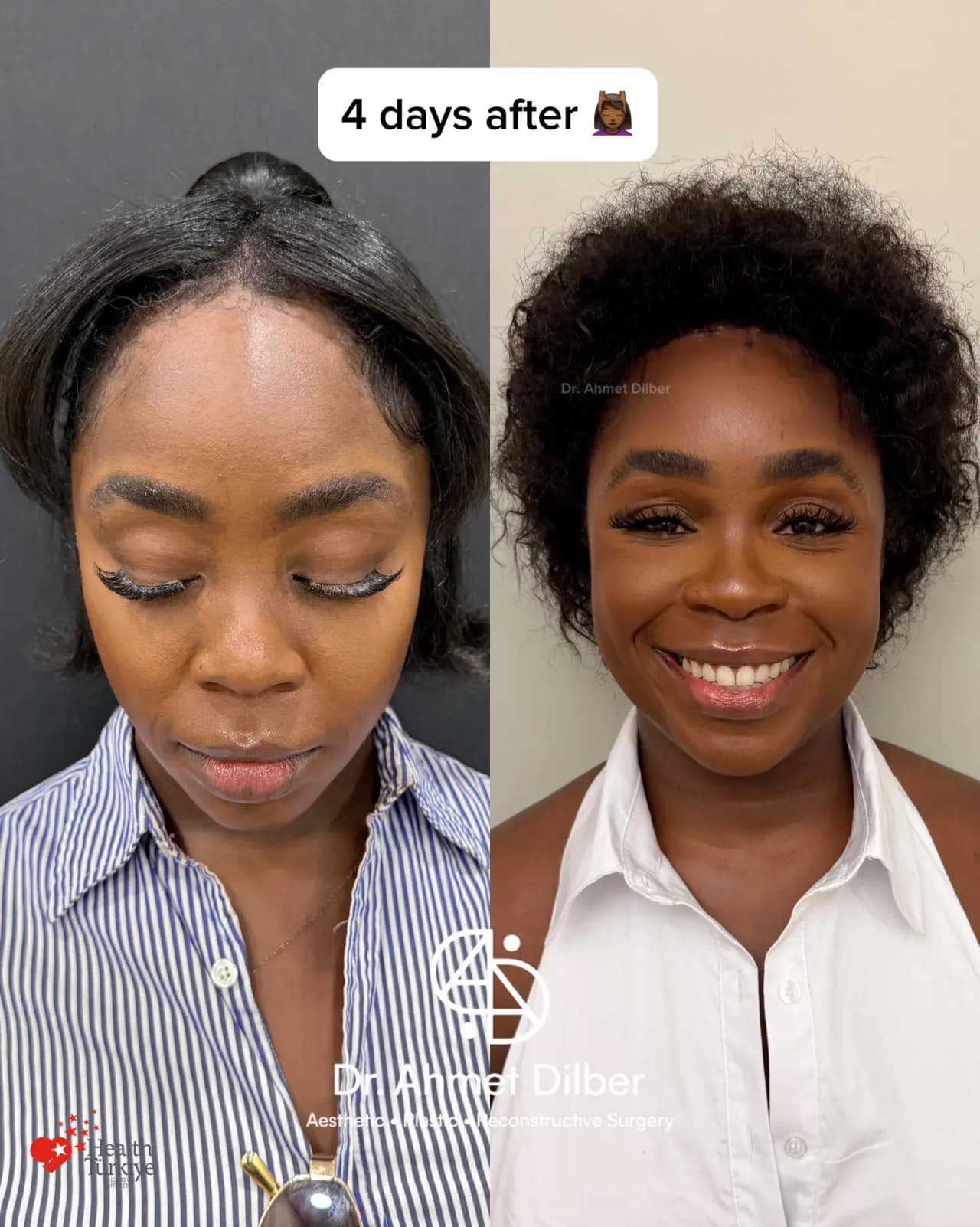
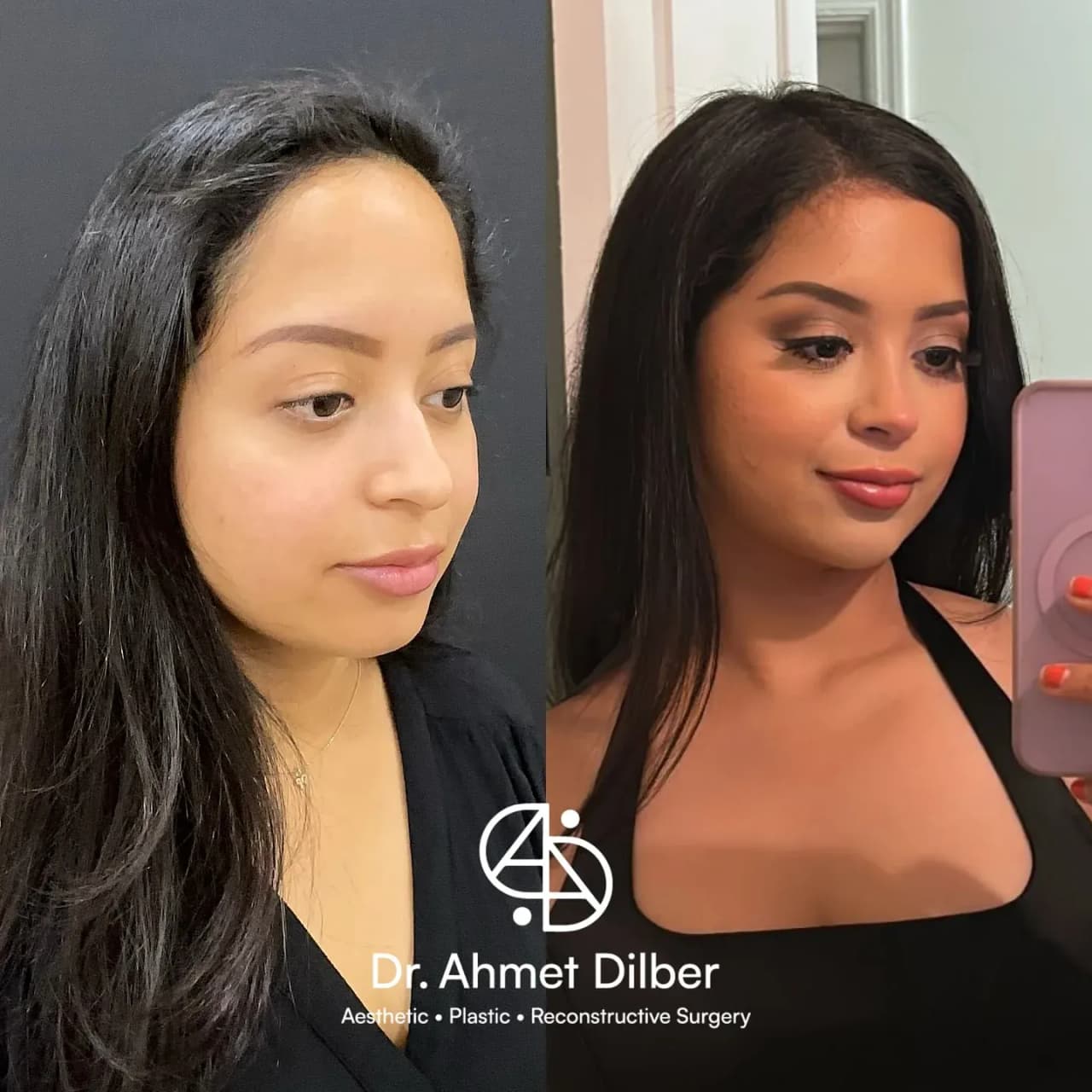
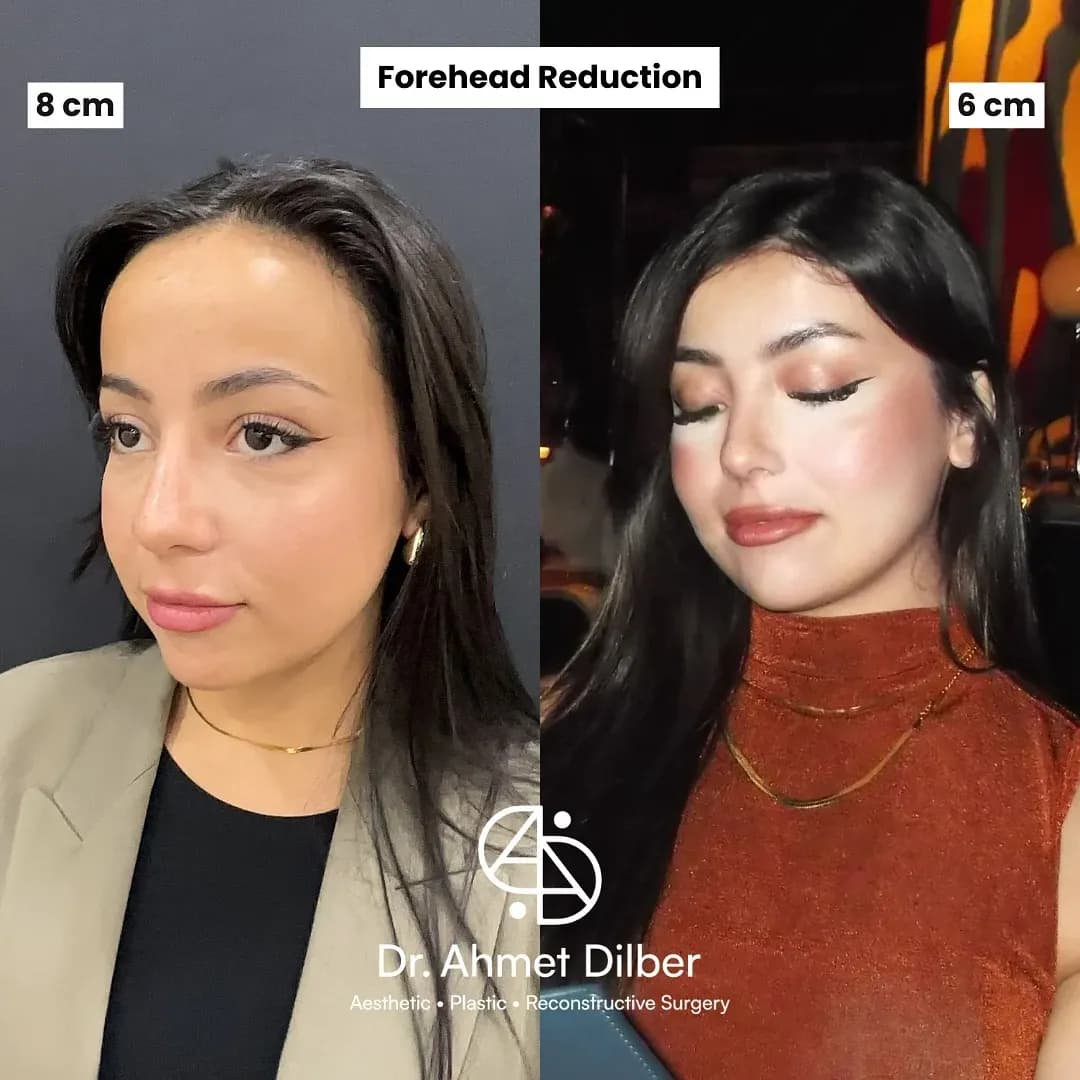
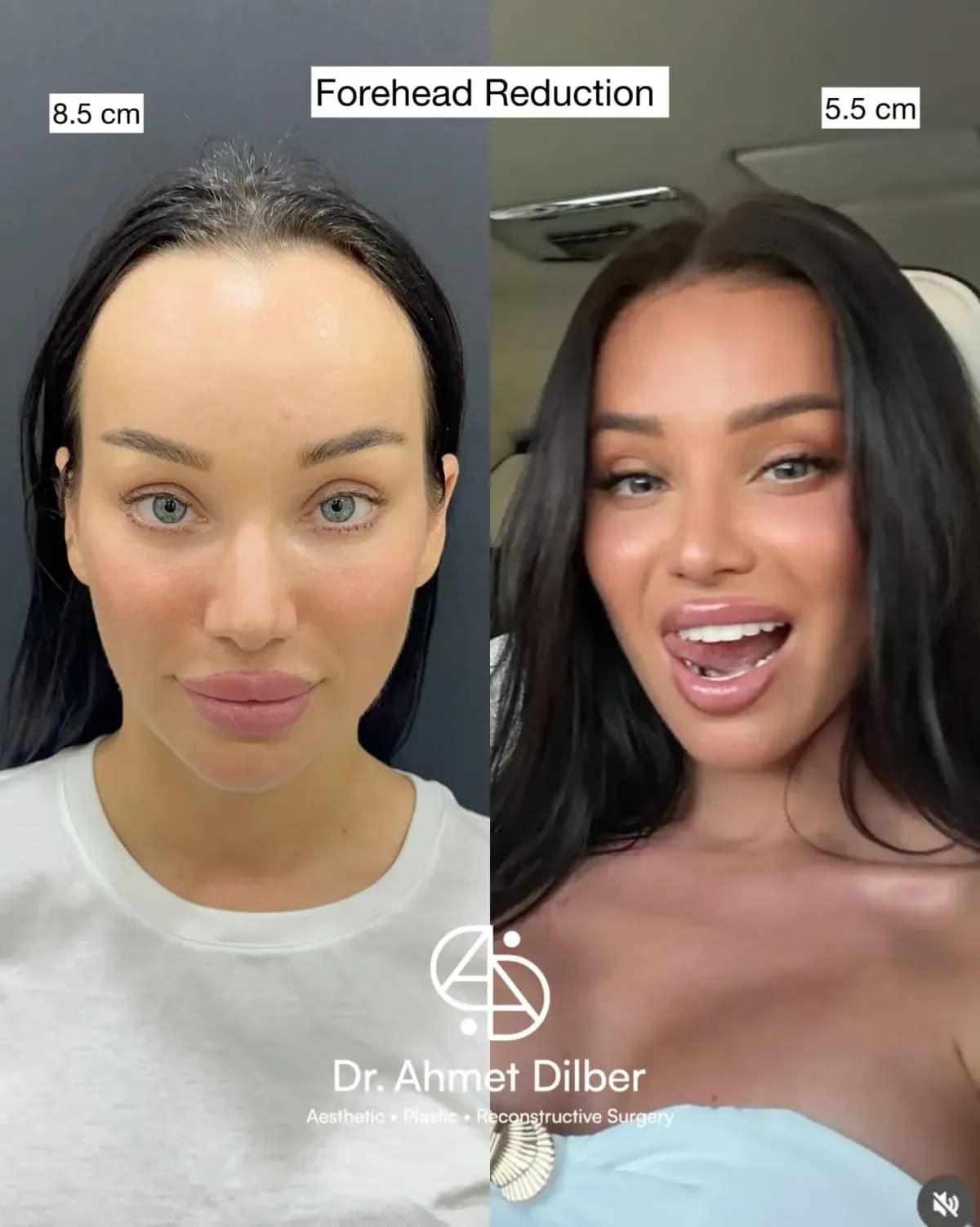
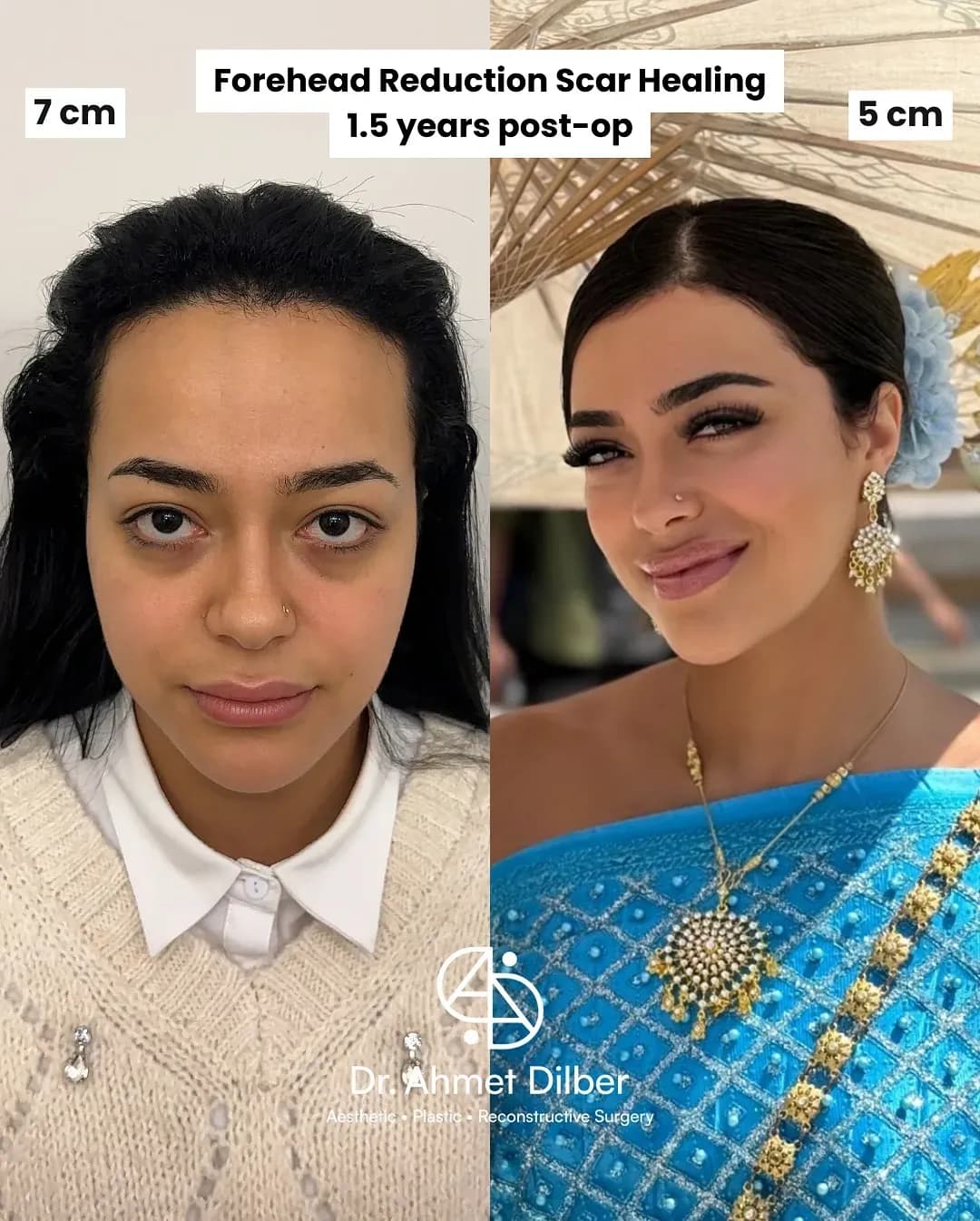
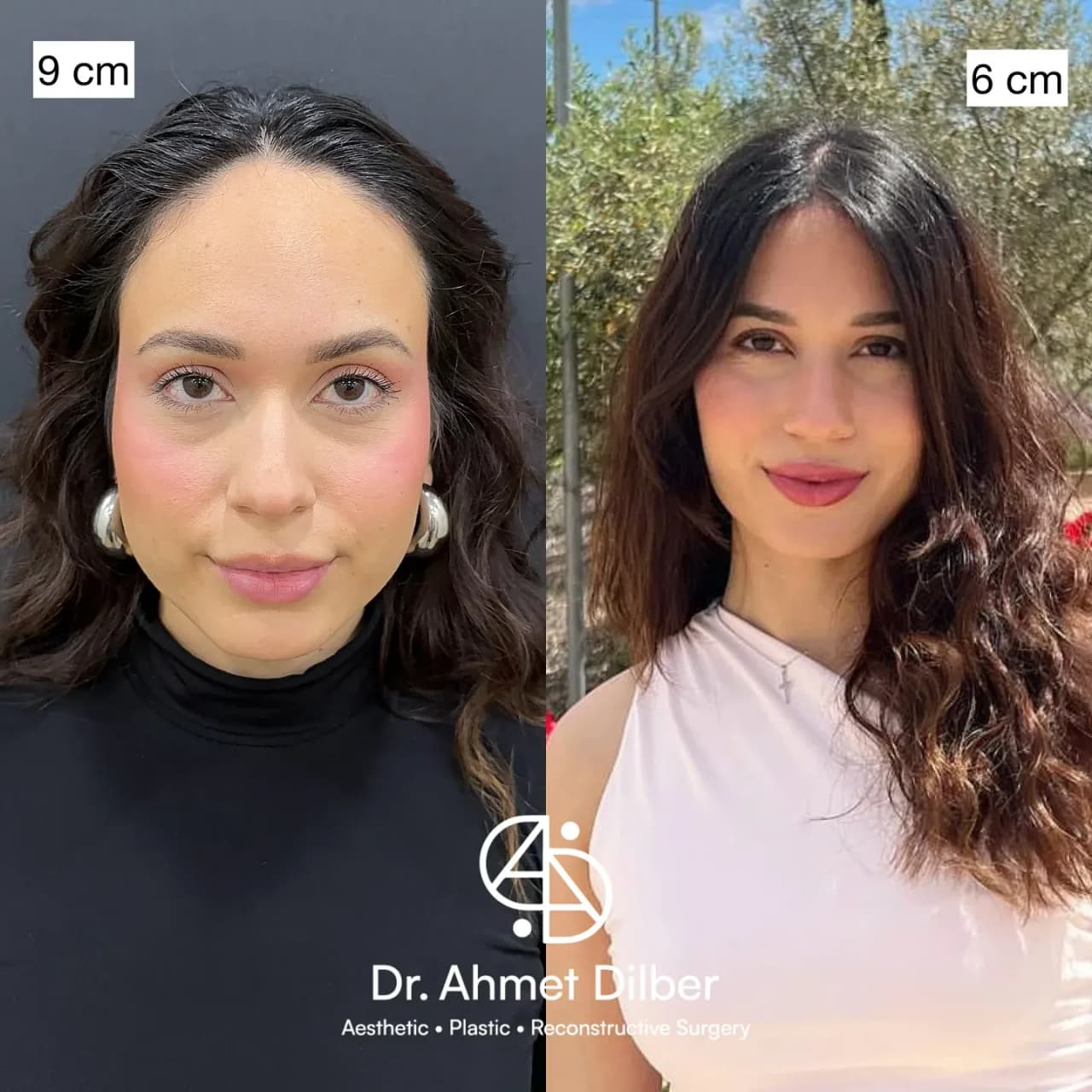
Before and after photos of Op. Dr. Ahmet Dilber's patients, from @drahmetdilber on Instagram. Results vary.
How does the scar heal, and how do you style your hair?
After the shape, most questions women ask are about the scar and what to do with their hair while it heals.
Where the scar sits
The incision follows the front of the hairline. Tell Dr. Dilber how you usually wear your hair, so he can plan it with that in mind. The sutures are absorbable, dissolve within about 6 months and are not removed. Hair can grow through the incision line over the following months and help hide it. The scar matures over about one year.
Shedding near the incision
Some thinning along the frontal hairline or on the crown can appear around month 3, and it mostly recovers by month 6. Permanent thinning along the scar is one of the listed risks, so include any shedding in your follow-up photos and Dr. Dilber compares them over time.
Styling while it heals
- Shower from day 2 with warm or cold water
- A hair band from day 1
- A hat and SPF 50+ sunscreen to protect the scar
- A wig later, once Dr. Dilber agrees
Will hairline lowering change your brows?
No. Forehead reduction lowers the hairline; it does not lift the brows. Many women ask about this, because a shorter forehead changes how the upper face looks and some would like a little more lift as well. A minimal lift can be requested, and Dr. Dilber tells you at the photo review whether it suits your face.
If your brows sit low or have dropped, a brow lift can be added. It is done through an incision in the scalp, so there is no visible surface scar. Forehead reduction can also be combined with rhinoplasty or eyelid surgery if you are suitable. A combined operation can take 5 to 6 hours, and the check before you leave Istanbul is on day 5. See forehead reduction vs brow lift.
What are the risks for women considering hairline lowering?
Any cosmetic surgery carries risks. For hairline lowering they include bleeding, infection, numbness or altered sensation behind the hairline, a visible or widened scar, hair loss along the incision, an uneven hairline and the need for revision surgery. Dr. Dilber explains each one at your consultation, before you agree to surgery. Following the aftercare instructions and sending your follow-up photos helps spot problems early.
Two points deserve extra discussion. If you plan to wear your hair pulled back, ask how visible the scar may be, so Dr. Dilber can plan the incision with that in mind. If your hairline has receded in recent years, he checks its stability first, because a hairline that keeps moving back can expose the scar. The scar page gives more detail.
How is your hairline planned and followed up?
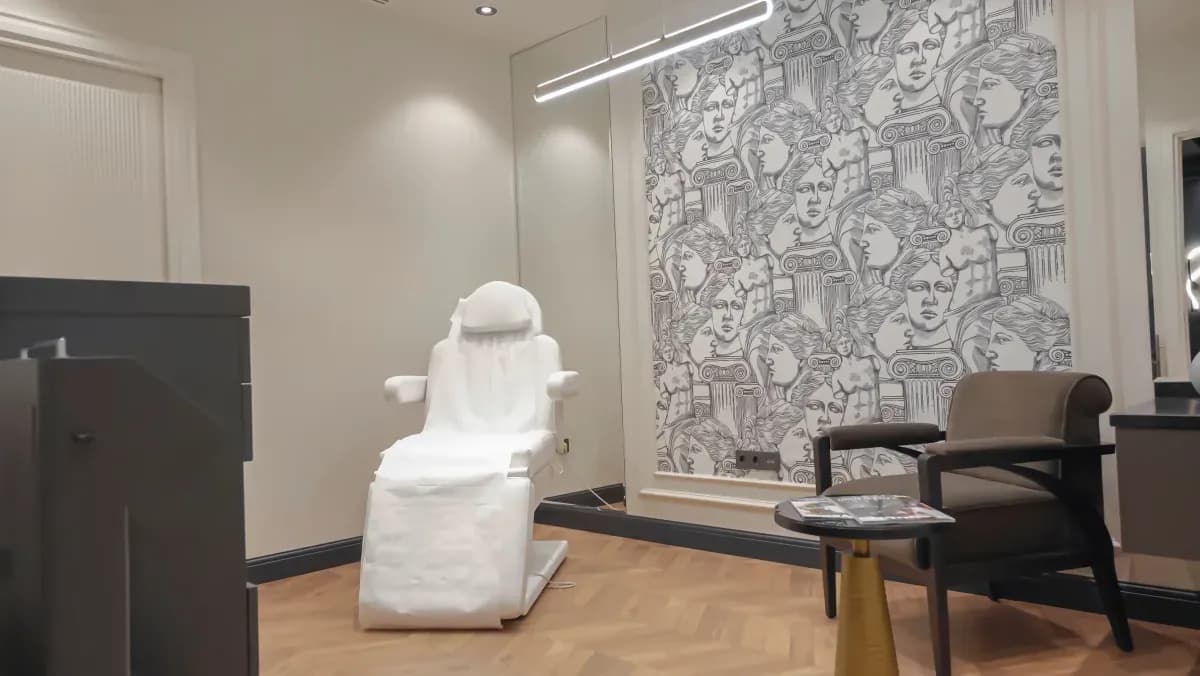
Photo review on WhatsApp
Send front, left and right photos with your hair down, then again pulled back, together with your medical history. Dr. Dilber's assistant presents them to Dr. Dilber, who decides whether you are a candidate. A video consultation can be arranged if you want one.
Consultation in Ataköy, the day before
Dr. Dilber sees you in person at his practice in Ataköy, Bakırköy. He examines your scalp, discusses the shape you want, and marks and agrees the new hairline with you. Pre-operative tests follow at Acıbadem Bakırköy Hospital.
Surgery, then days 1 to 4 in Istanbul
The operation takes 1.5 to 2 hours under general anaesthesia, with one night in hospital. A hair band is fine from day 1 and covers the tape, and you can shower from day 2 with warm or cold water. On day 4 the plaster comes off at the Ataköy practice, and you can fly home after that check.
Follow-up after you return home
You send photos of the incision on WhatsApp at 1, 3, 6 and 12 months, and Dr. Dilber and his assistants review your healing. If you notice redness, discharge, an opening wound or increasing pain, send photos straight away; he advises on treatment and whether you should see a doctor locally.
Your stay in Istanbul
You see Dr. Dilber at his practice in Ataköy, have surgery at Acıbadem Bakırköy Hospital and can stay at a nearby hotel.
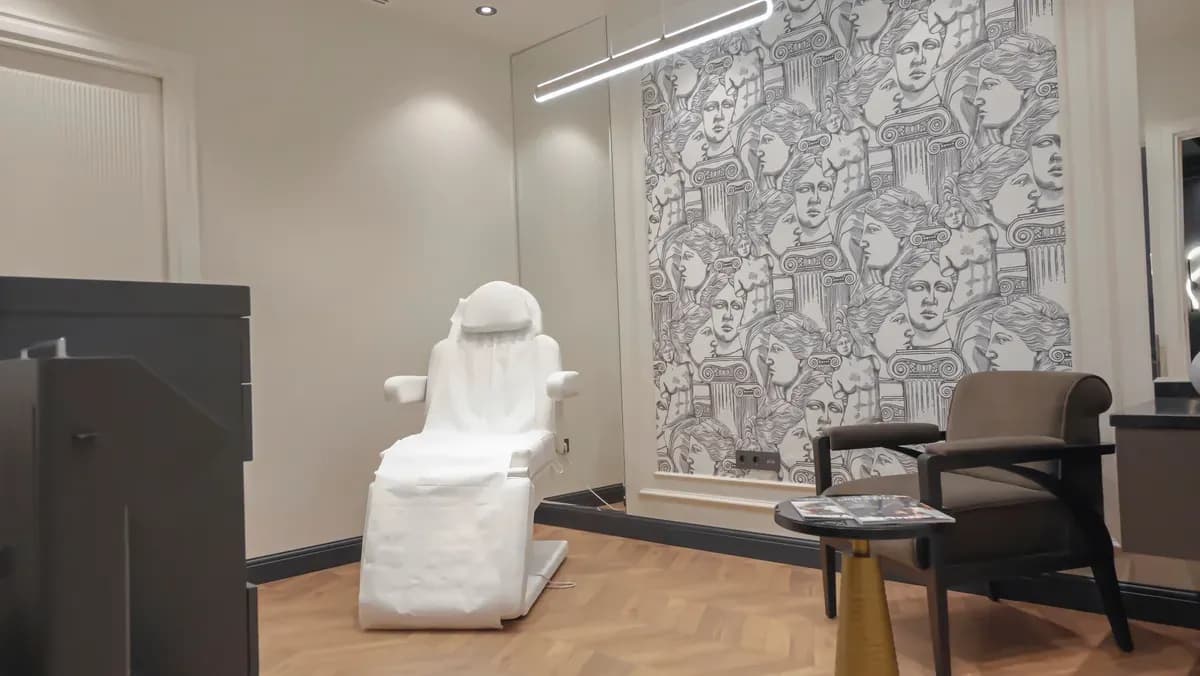
The practice in Ataköy 
Acıbadem Bakırköy Hospital 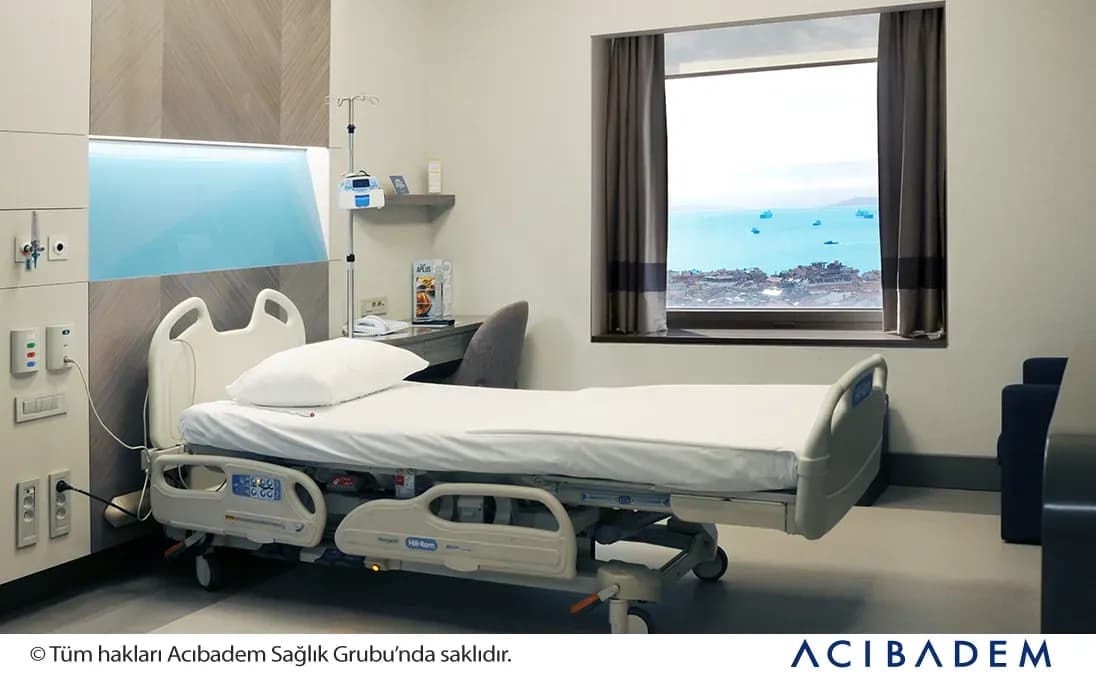
Patient room 
Hotel room, on request
What else do women ask about hairline lowering?
They are different operations, and patient posts often mix the names. Forehead reduction removes a strip of forehead skin and moves your existing hairline forward in one operation, with an immediate result. A hair transplant moves individual follicles into the hairline, and the grafts take months to grow. Dr. Dilber performs forehead reduction only; a transplant, if ever wanted, can be done by a hair-transplant clinic about one year later.
Answer comes with the content seed.
Answer comes with the content seed.
Answer comes with the content seed.
Answer comes with the content seed.
Answer comes with the content seed.
Explore the practice
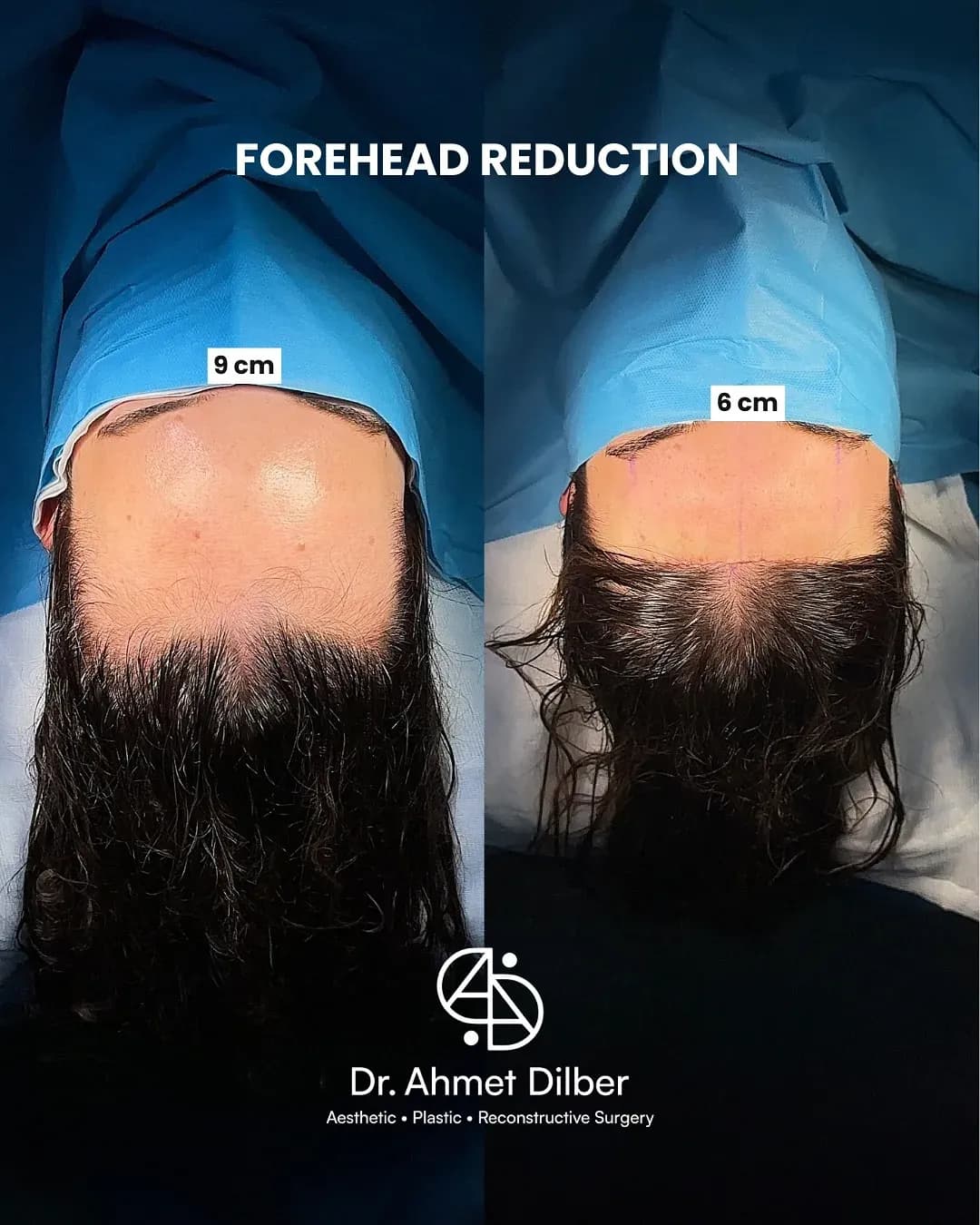 Before and after resultsBefore and after photos of Dr. Dilber's patients. Results vary.See the gallery →
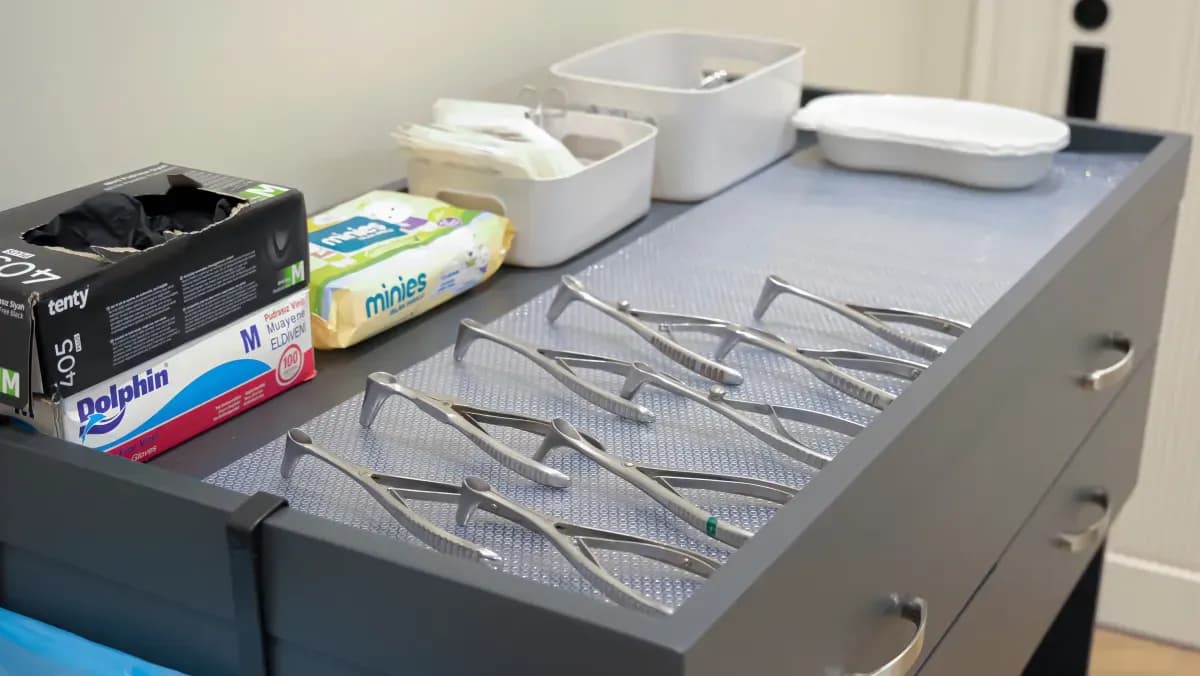 Patient guide (PDF)The guide we send every patient: timeline, medication, aftercare.Download the guide →
Send your photos. Find out what shape is possible.
Photograph your forehead from the front, left and right, once with your hair down and once pulled back. Dr. Dilber reviews them, and the team replies on WhatsApp.
