

Mini Facelift in Istanbul: Ponytail and Endoscopic Lifts Explained
A mini facelift lifts early jowls and mild sagging of the lower face through a shorter incision than a full facelift, with less tissue moved. Ponytail and endoscopic facelift are technique names, not separate standard operations. Op. Dr. Ahmet Dilber assesses from your photos whether a limited lift can do what you want, or whether a full facelift is needed.
Send your photos on WhatsAppCompare facelift techniques

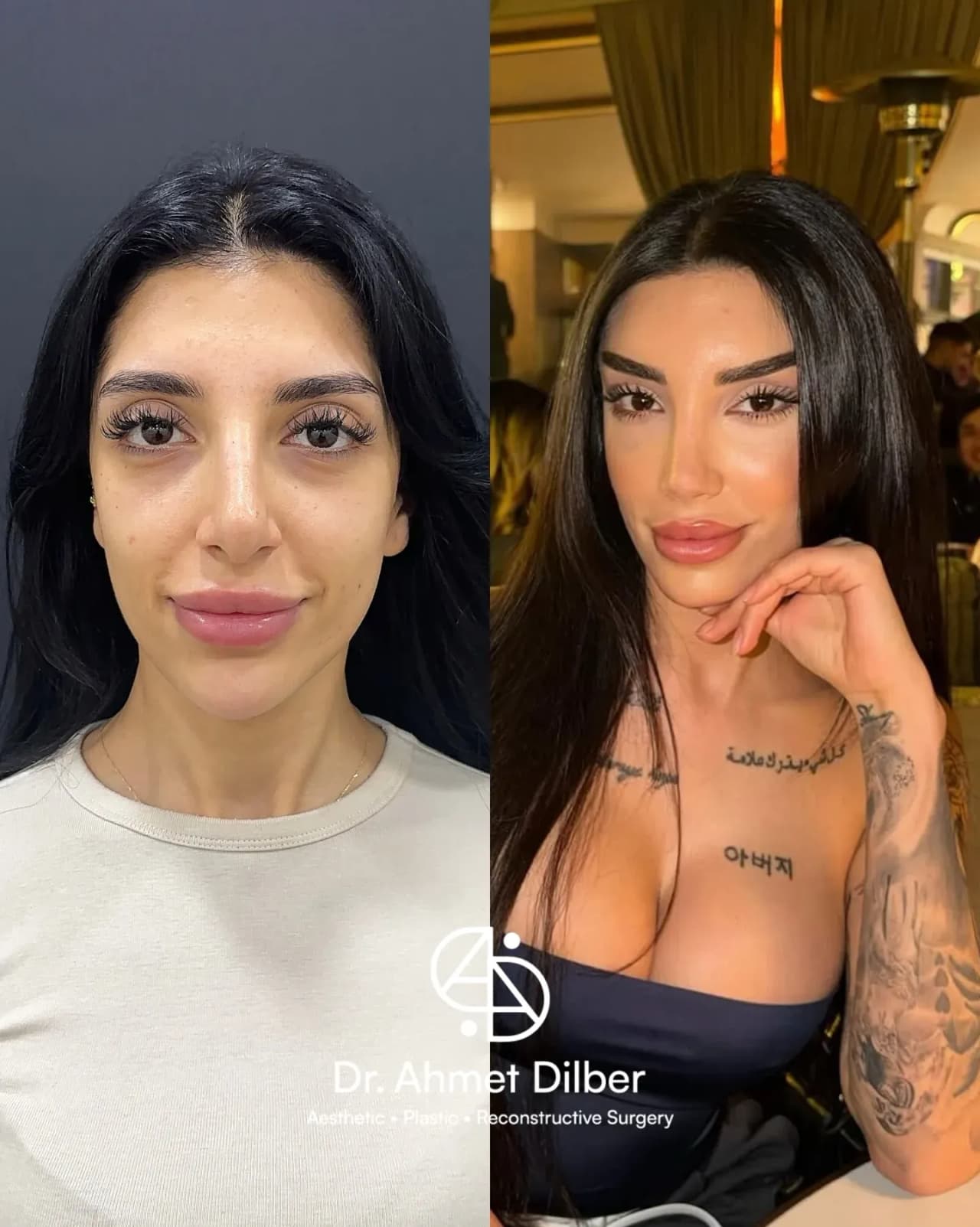
Before and after, fox eyes, temporal lift and mid facelift. Results vary.
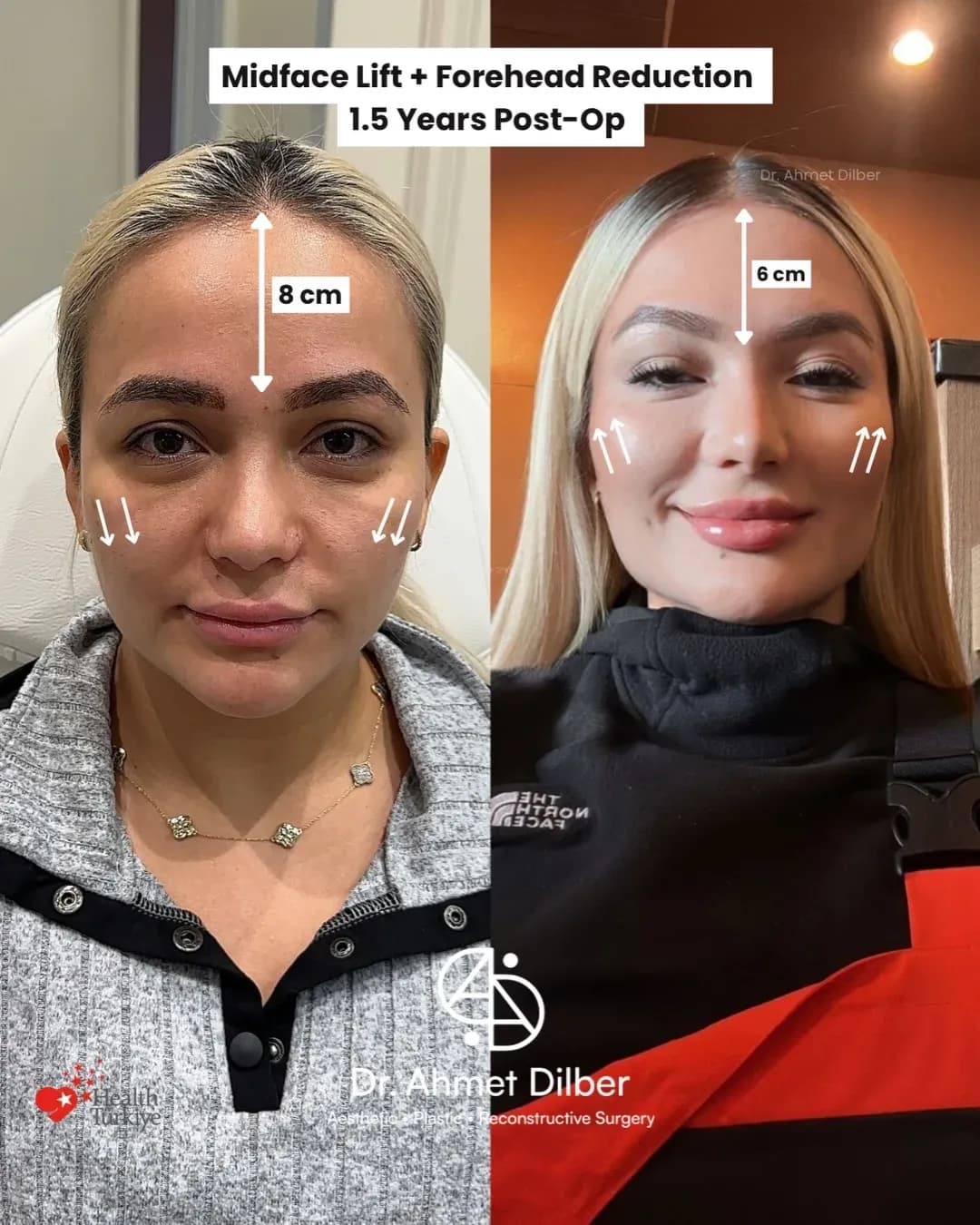
Before and after, mid facelift with forehead reduction. Results vary.
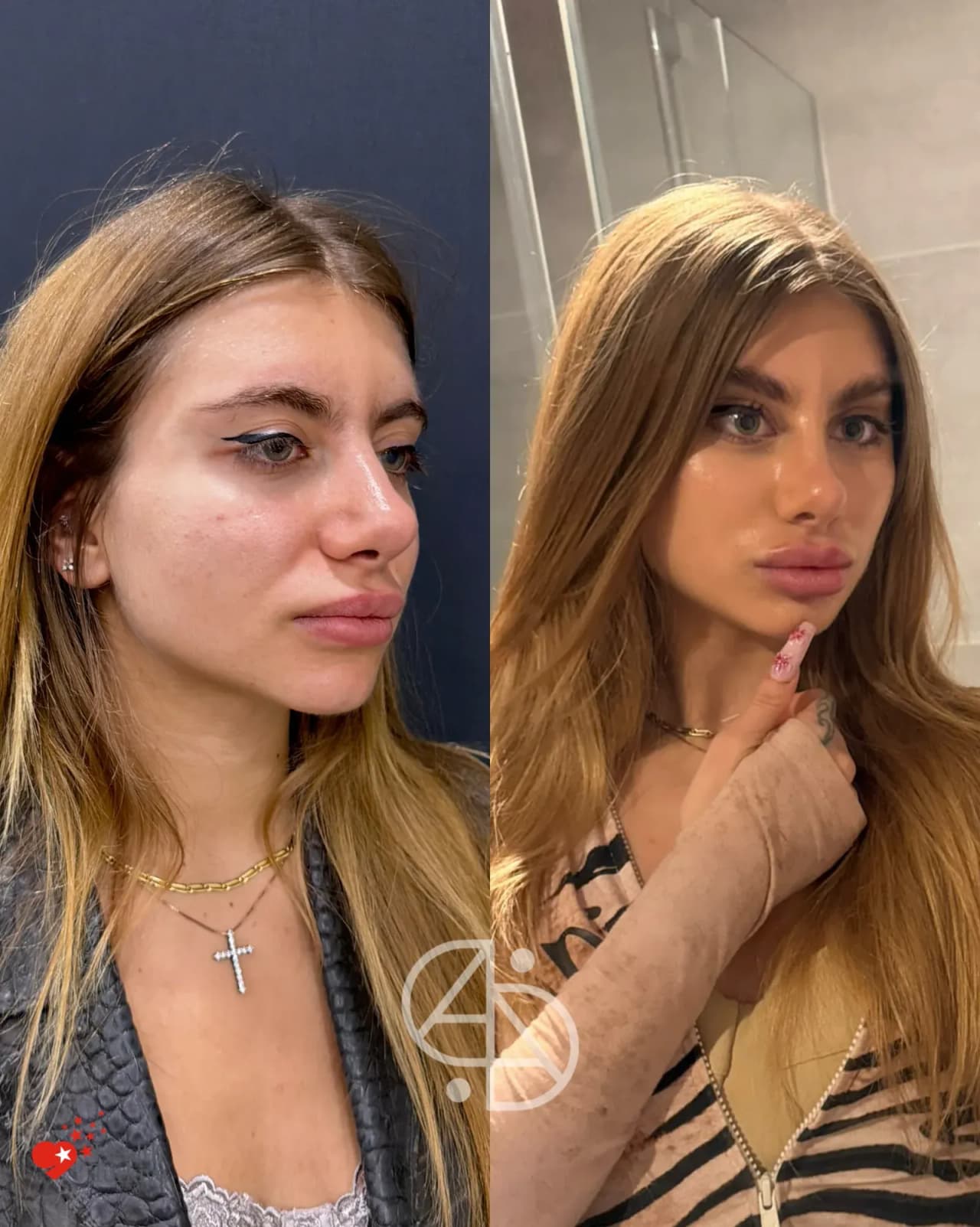
Before and after, temporal lift, mid facelift and brow lift. Results vary.



Ratings as of November 2026
Acıbadem Bakırköy
where Dr. Dilber operates, with one night of hospital care
1 year
of follow-up after surgery, in person or on WhatsApp
Licensed
for international health tourism by the Turkish Ministry of Health
What is a mini facelift, and what can it treat?
A mini facelift is a shorter version of a facelift. Less skin and tissue are moved, and the incisions are shorter. Through them, the tissue layer beneath the skin of the cheek and jawline is tightened and a small amount of skin is removed. It suits early jowls, a softening jawline and mild laxity in the lower cheeks.
Because less tissue is lifted, a mini facelift does little for loose neck skin, neck bands or heavy sagging. Those usually need a full facelift, a neck lift or both. Dr. Dilber chooses the technique, whether SMAS, deep plane, mid-face or a mini lift, based on your needs and his assessment. His mini lifts take about 2 hours, with incisions in the hair and natural ear creases and no visible surface scar.
Op. Dr. Ahmet Dilber is a plastic, reconstructive and aesthetic surgeon who trained at İstanbul University Cerrahpaşa Faculty of Medicine. His facial work includes facelift, neck lift, temporal lift and brow lift. Read more about Dr. Dilber.



Mid facelift, brow lift and facelift results


Before and after photos of Op. Dr. Ahmet Dilber's patients, from @drahmetdilber on Instagram. Results vary.
What do mini, ponytail and endoscopic facelift actually mean?
These names describe incision length or the way the surgeon works, not one standard operation. Two clinics can use the same name for different procedures, so ask what will actually be done.
Mini facelift
A facelift with shorter incisions and limited lifting of the cheek and jawline. Similar operations are also called short-scar facelift or MACS lift. It treats early jowls and mild laxity. With Dr. Dilber, the incisions sit in the hair and natural ear creases, with no visible surface scar. It does not tighten a loose neck.
Ponytail facelift
A marketing name for lifts done through short incisions hidden in the hairline at the temples and behind the ears, so the scars stay covered when the hair is tied back. It mainly lifts the temples, brows and cheeks. Published descriptions combine endoscopic and short-scar steps in different ways.
Endoscopic facelift
A way of operating, not a set scope. The surgeon works through several small scalp incisions with a thin camera and lifts the brow, temple and mid-cheek from above, without cutting skin away on the face. It suits people with little loose skin. Dr. Dilber performs brow lifts through the scalp, with no visible surface scar.
When is a full facelift needed instead, and what are the risks?
A limited lift works when the skin still has some elasticity and the change is mostly in the jowls and lower cheeks. If the neck skin is loose, there are neck bands, or skin hangs in folds along the jaw, a mini facelift is unlikely to give a lasting change, and a full facelift, often with neck lift steps, is the more realistic plan. Choosing the smaller operation for a larger problem can mean a second operation sooner. The facelift guide explains the full operation, and the cost page how scope shapes your quotation.
Any cosmetic surgery carries risks. A shorter incision does not remove them: for a facelift of any size they include bleeding, infection, temporary numbness, asymmetry and the possibility of revision. Stop smoking, vaping and blood thinners at least 10 days before surgery. Check with the doctor who prescribed a medicine before you stop it. Read facelift safety for hospital care, anaesthesia and aftercare.
Mini facelift vs full facelift
Main areas
Mini facelift: Early jowls, jawline, lower cheeks
Full facelift with Dr. Dilber: Cheeks, jowls, jawline; neck when combinedIncisions
Mini facelift: Shorter, in hair and ear creases; no visible surface scar
Full facelift with Dr. Dilber: Scalp, hair and natural ear creasesNeck
Mini facelift: Little or no change
Full facelift with Dr. Dilber: Neck lift can be addedAnaesthesia
Mini facelift: Local with sedation or general, depending on the practice
Full facelift with Dr. Dilber: GeneralOperating time and stay
Mini facelift: About 2 hours; stay set at consultation
Full facelift with Dr. Dilber: About 4 to 5 hours; one night in hospitalLeave Istanbul; back to work
Mini facelift: Set for the agreed operation
Full facelift with Dr. Dilber: End of day 5; after 10 to 14 days
What happens in Istanbul, and what is recovery like?
Before you travel: photo review
Send photos of your face from the front, left and right on WhatsApp, with your hair tied back and your chin level, plus your medical history. Dr. Dilber's assistant presents them to him, who tells you whether a limited lift or a full facelift is more likely to meet your goal. A video consultation can be arranged.
The day before: consultation in Ataköy
Arrive in Istanbul the day before surgery. Dr. Dilber examines your skin, jawline and neck in person at his practice in Ataköy, Bakırköy, agrees the scope with you and marks the incisions. You then go to Acıbadem Bakırköy Hospital for pre-operative tests and the anaesthetic assessment.
Surgery day: one night in hospital
Dr. Dilber performs the operation at Acıbadem Bakırköy Hospital and sees you before and after surgery. A mini lift takes about 2 hours. You stay one night under observation, with nurses on the ward and room for one companion, are up and walking the next day and return to your hotel.
Days 2 to 5: first checks and departure
You can shower from day 2 with lukewarm water. Sleep on your back with your head raised and protect your face from knocks. The sutures dissolve by themselves within 5 to 21 days. Your dressing is removed at the practice on day 5, and you can leave Istanbul at the end of day 5.
Back home: recovery and follow-up
Most healing happens within about 2 weeks. Avoid heavy exercise for 6 to 8 weeks and use sun protection for at least 3 months. Send photos on WhatsApp at 1, 3, 6 and 12 months, and straight away if one side swells or a wound reddens; Dr. Dilber advises on care. See aftercare.
Your stay in Istanbul
You see Dr. Dilber at his practice in Ataköy, have surgery at Acıbadem Bakırköy Hospital and can stay at a nearby hotel.
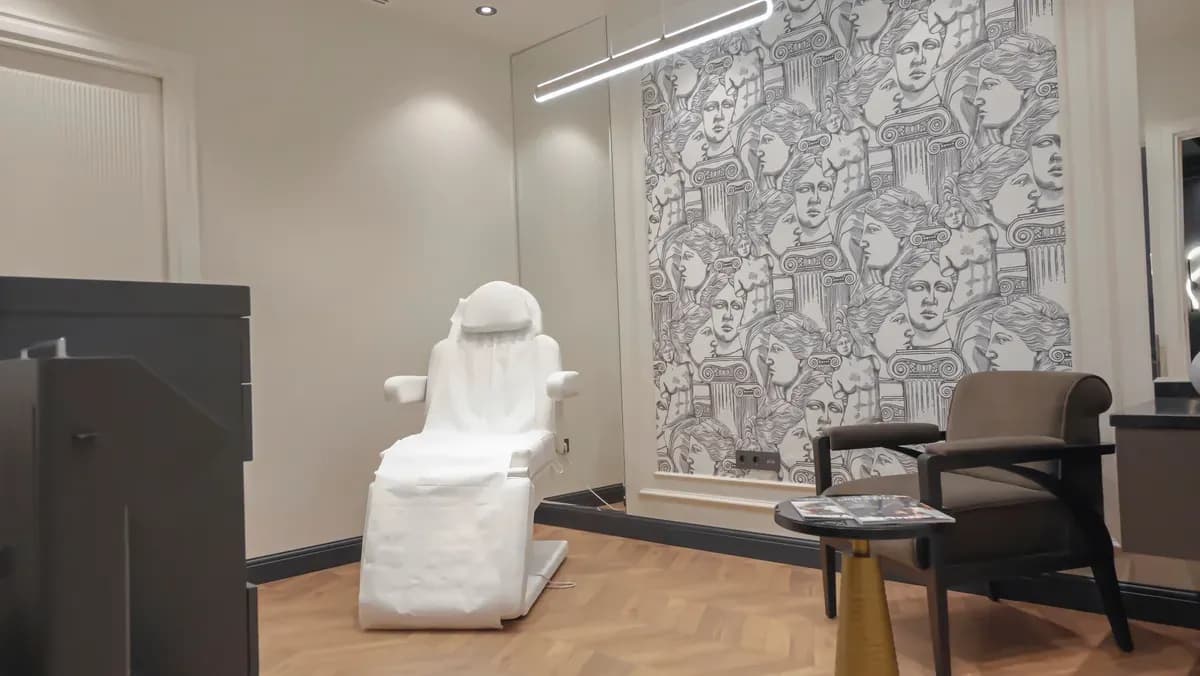
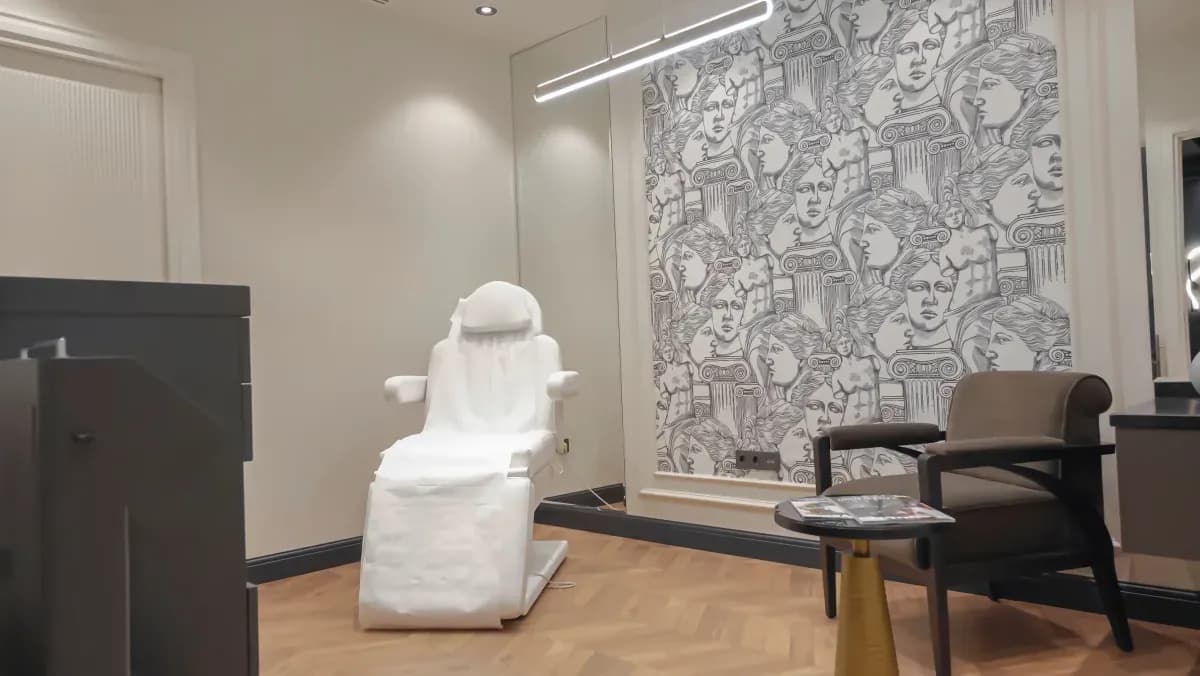
The practice in Ataköy 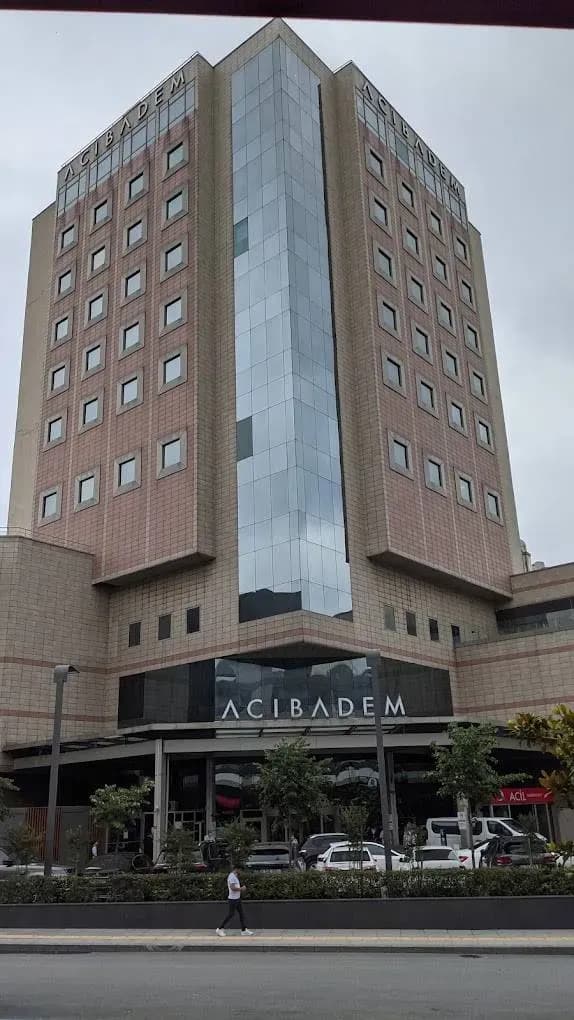
Acıbadem Bakırköy Hospital 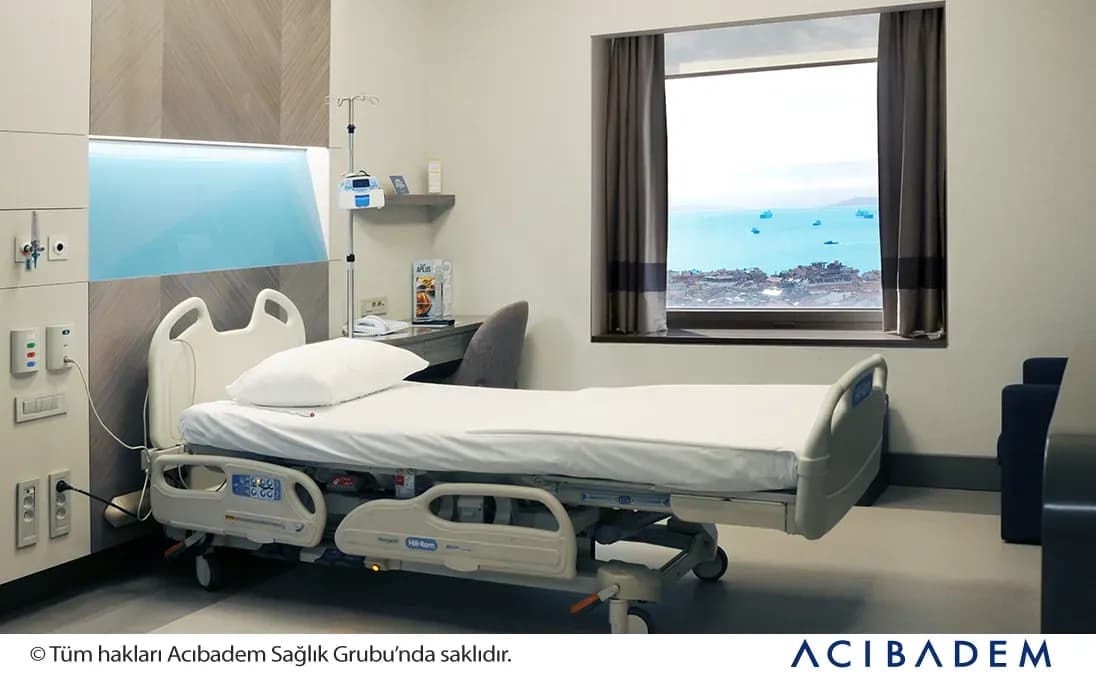
Patient room 
Hotel room, on request
Frequently asked questions
Not exactly. A mini facelift usually means a shorter incision in front of the ear that lifts the jowls and jawline. A ponytail facelift places short incisions mainly in the hairline and focuses on the temples, brows and cheeks. Both are names rather than standard operations, so ask which tissues are lifted, where every incision sits and what is left untreated.
No. An endoscopic lift uses several short incisions, usually in the scalp, so the scars are small and hidden by hair, but they are still scars, and hair loss along them is possible. An endoscopic approach lifts the upper and middle face more than the jowls or neck, so it treats a different problem from a mini facelift.
Some practices perform mini facelifts under local anaesthesia with sedation; others use general anaesthesia. Dr. Dilber performs his facelift, neck lift and temporal lift under general anaesthesia, with one night in hospital for monitoring. If a limited lift under local anaesthesia matters to you, raise it at the photo review; the anaesthetic assessment the day before surgery confirms the plan.
Only slightly. A mini facelift lifts the jawline, which can sharpen the line between jaw and neck, but it does not remove loose neck skin, fat under the chin or neck bands. For those, a neck lift is added or a full facelift is planned. Send a side photo with your chin level so Dr. Dilber can see the neck clearly.
There is usually less swelling and bruising than after a full facelift, because less tissue is lifted. The first week still brings swelling, tightness and sleeping with your head raised, and you still need a final check before you fly. Your timings are set for the agreed operation. The recovery and flying home guide explains the full facelift timeline.
A limited lift treats less tissue, so its effect generally lasts for less time than that of a full facelift, and a later full facelift is sometimes needed. After a facelift most patients look noticeably younger. Results vary with skin structure, facial anatomy and technique. Sun protection, not smoking and a stable weight help in both cases.
Age matters less than skin quality and where the sagging is. A mini facelift fits early jowls and fairly elastic skin. With heavier laxity at any age, a full facelift is usually the more realistic option. You need to be 18 or over and healthy enough for surgery. Dr. Dilber decides from your photos and medical history whether you are a candidate.
Explore the practice
 About Dr. DilberTraining, hospital and how he works with patients from abroad.Read his profile →
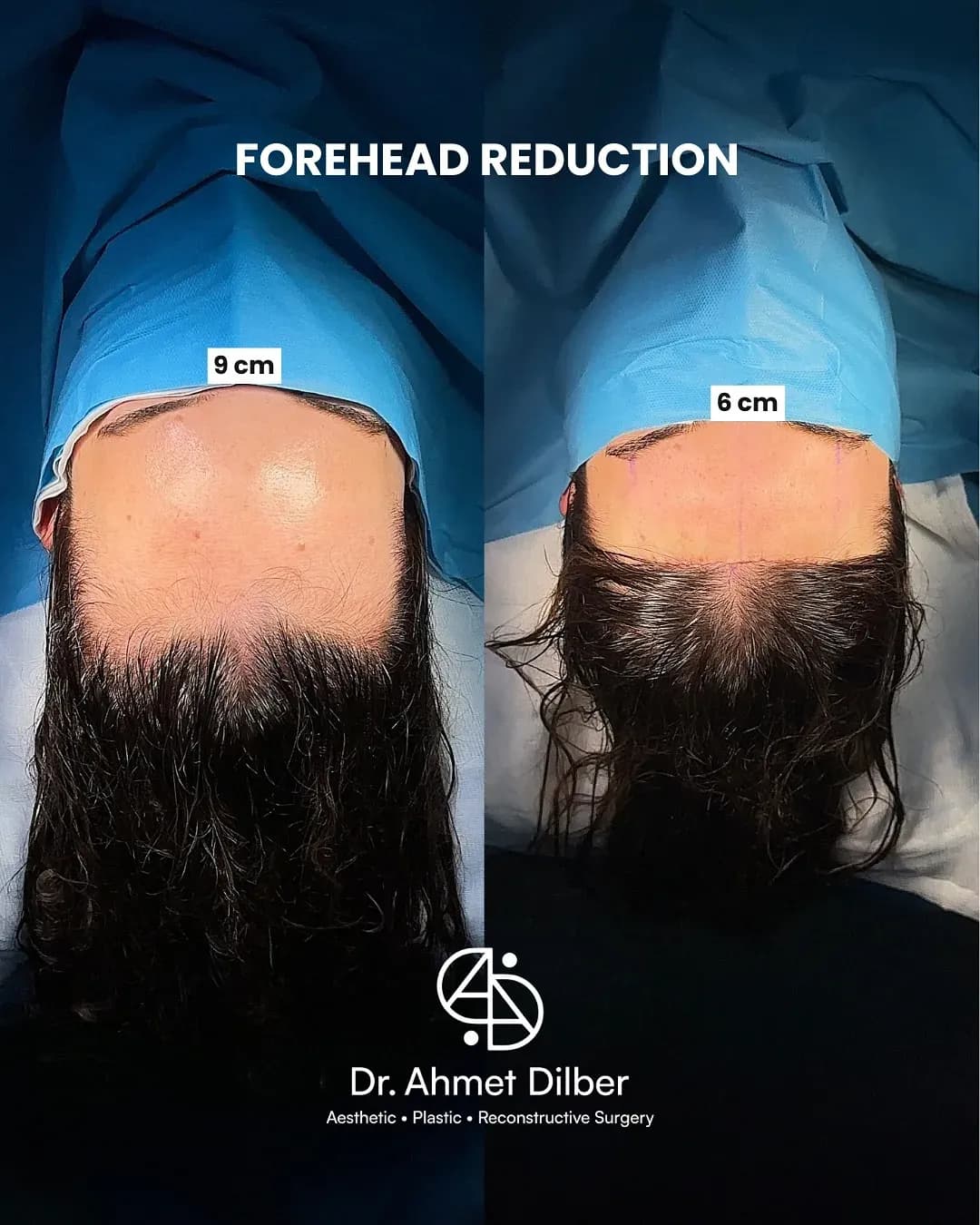 Before and after resultsBefore and after photos of Dr. Dilber's patients. Results vary.See the gallery →
Send three photos. Find out if a limited lift is enough.
Photograph your face from the front, left and right, with your hair tied back. Dr. Dilber reviews them, and the team replies on WhatsApp with his view and the next steps.
