

Revision Rhinoplasty in Istanbul, Turkey
Revision rhinoplasty is a second or later nose operation to correct breathing problems, structural changes or a shape that did not meet the aim of the first surgery. Op. Dr. Ahmet Dilber performs it in Istanbul under general anaesthesia, with one night in hospital, at least one year after the previous operation. It is more complex than a first rhinoplasty, so he reviews your records and photos before advising.
Send your photos on WhatsAppRead about rhinoplasty

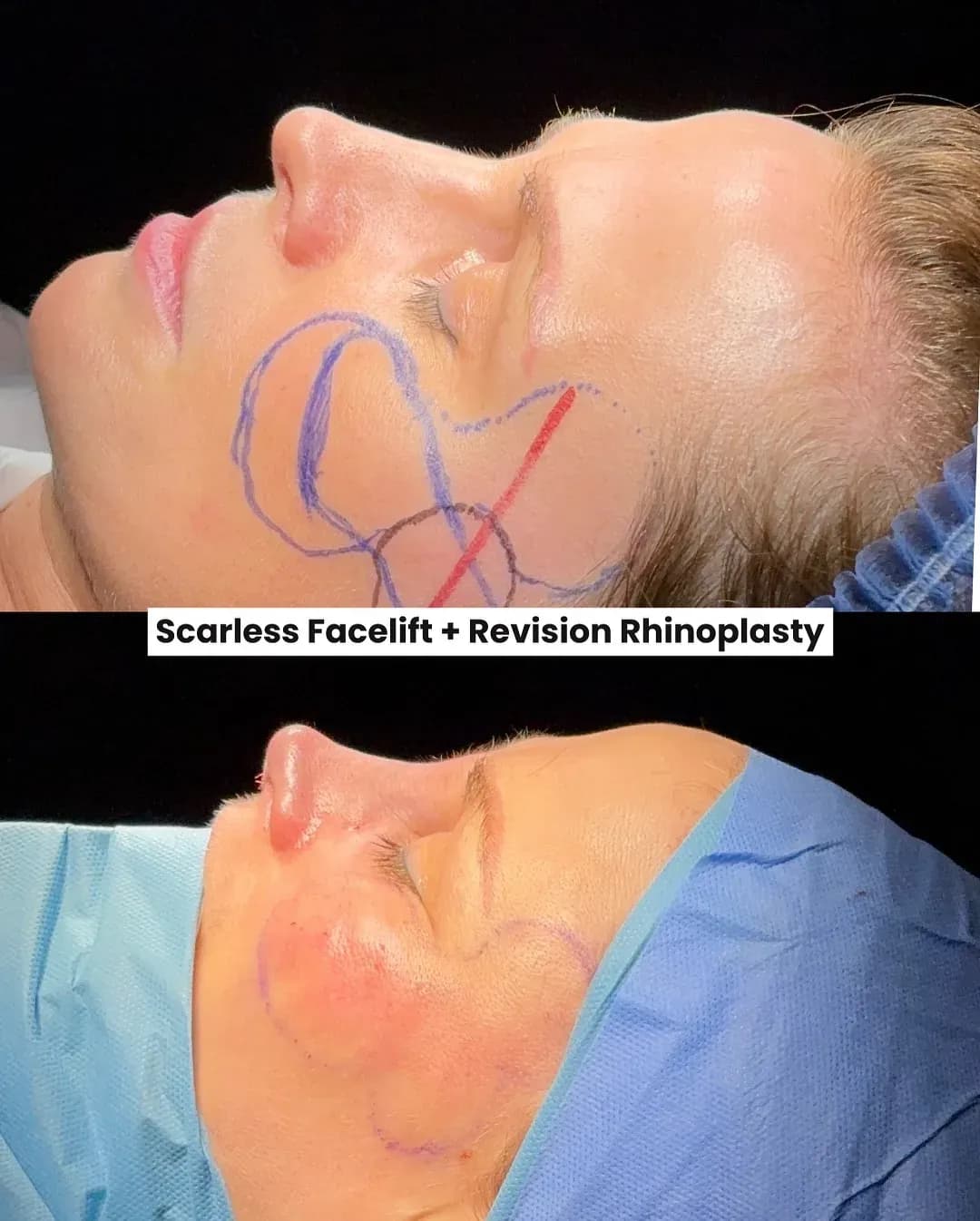
Before and after, facelift with revision rhinoplasty. Results vary.
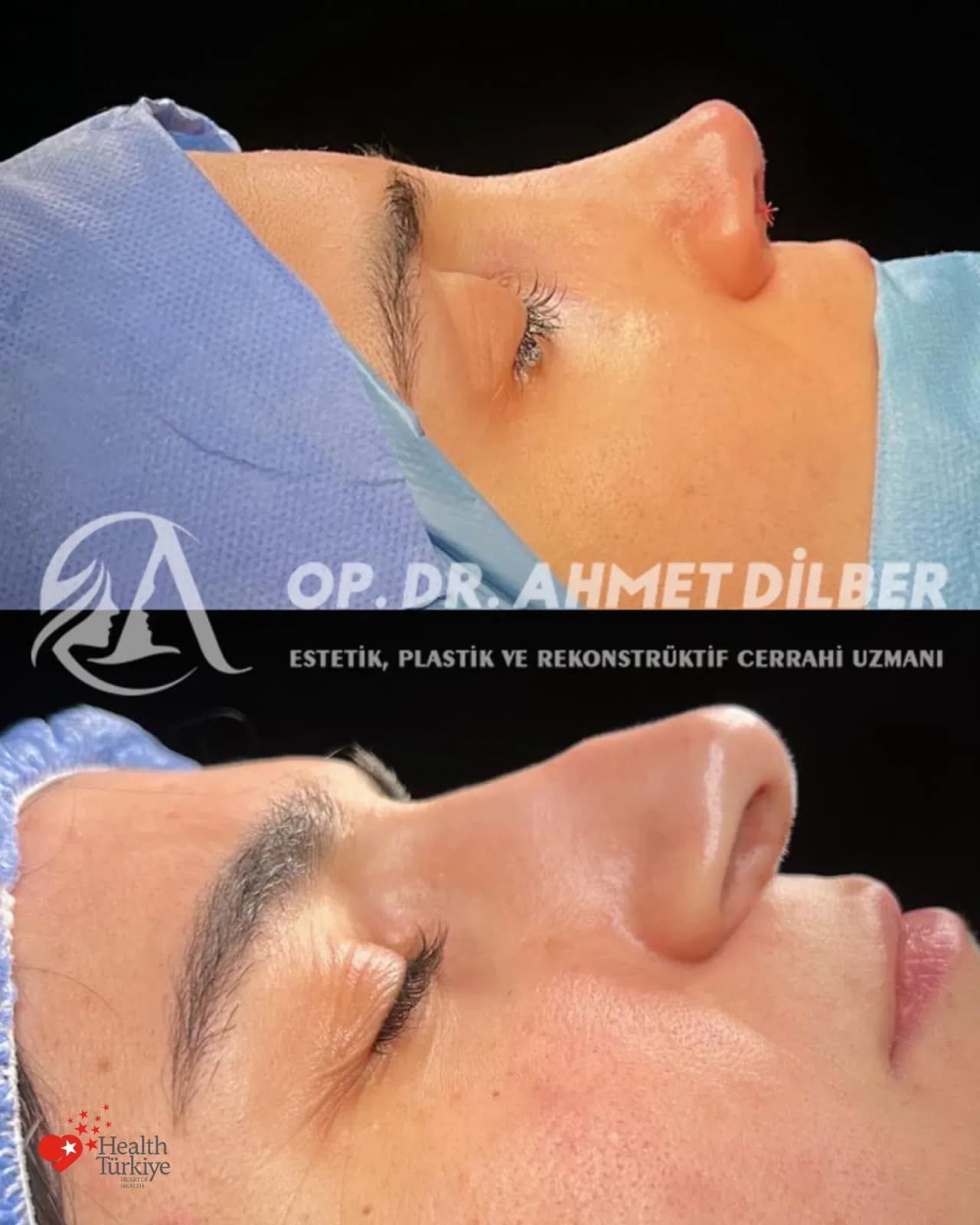
Before and after, rhinoplasty. Results vary.



Ratings as of November 2026
Acıbadem Bakırköy
where Dr. Dilber operates, with one night of hospital care
1 year
of follow-up after surgery, in person or on WhatsApp
Licensed
for international health tourism by the Turkish Ministry of Health
When is revision rhinoplasty considered?
Any nose operation after a previous rhinoplasty counts as a revision, whether it is the second or the third. People usually ask about it for one of three reasons: breathing became harder, the structure of the nose changed as it healed, or the shape did not match what they wanted. Dr. Dilber can operate when the nasal tissue is expected to heal well. Before deciding, he asks how your nose looked before the first operation, how it looks now and what bothers you.
Timing matters. According to ASPS and AAFPRS, the final shape after rhinoplasty can take a year or longer to settle. For that reason, Dr. Dilber performs a revision at least one year after the previous operation. What looks wrong at three months may still be swelling.
A new or worsening breathing problem, bleeding or signs of infection should not wait for that date. Contact the surgeon who operated or a local doctor. The rhinoplasty guide explains the first operation in detail.



Rhinoplasty results
Before and after photos of Op. Dr. Ahmet Dilber's patients, from @drahmetdilber on Instagram. Results vary.
What records should you send before a revision review?
Dr. Dilber needs to know what was done before and what bothers you now. Send these on WhatsApp before you plan any travel.
The previous operation report
Ask the hospital or surgeon for the operation report and discharge notes. They show what was removed or added, whether grafts or implants were used and whether the septum was operated on. If you had more than one operation, send each report with its date. If a report cannot be found, say so; the review can still start from photos.
Photos, then and now
Send current photos of your nose from the front, left and right, and from below if you can, taken in daylight without filters. Add photos from before your first operation if you have them. Together they show which changes came from surgery and help Dr. Dilber understand what you want to change now.
Your breathing symptoms
Describe any breathing problem: which side feels blocked, whether it is constant or comes and goes, and when it started. Mention snoring, nosebleeds, nasal sprays you use and any ENT tests or scans. Breathing and shape are assessed together, because the support inside the nose affects both.
What happens before and during your stay in Istanbul?
Before you travel: record and photo review
Dr. Dilber's assistant presents your reports, photos and symptoms to him. He tells you whether a revision is likely to help, what it could change and what it may not. A video consultation can be arranged if needed. If you are suitable, you receive a written quotation; a hotel and transfer package is available on request.
The day before: consultation in Ataköy
Dr. Dilber examines your nose in person at his practice in Ataköy, Bakırköy, including your breathing and the inside of the nose, explains the risks and agrees the plan with you. You then have pre-operative tests at Acıbadem Bakırköy Hospital, where the surgery takes place. Stop smoking, vaping and blood thinners at least 10 days before surgery; afterwards, no smoking for 6 weeks, and Dr. Dilber tells you when to restart blood thinners.
Surgery day: one night in hospital
Dr. Dilber uses the open technique, with a piezoelectric device for the nasal bone, under general anaesthesia at Acıbadem Bakırköy Hospital; the length depends on what needs correcting. Cartilage grafts may be used when needed. Internal splints let you breathe through the nose, and a cast protects the shape. Expect moderate discomfort for the first 2 days, managed with prescribed medication. You stay one night under observation and return to your hotel the next day.
Day 7: splints and cast removed
Until day 7, sleep with your head on 3 pillows, do not blow your nose and use a cold pack for the first 2 days. Dr. Dilber then removes the internal splints and cast at the practice, and you see the new shape for the first time. Tape is applied, and you can fly home on day 8. The tape stays on for one week, and you remove it at home on day 14.
After you return home: follow-up
Dr. Dilber and his assistants carry out follow-up checks at 1, 3, 6 and 12 months, using WhatsApp photos or in person in Istanbul. Use saline spray 3 times a day for one month and do not wear glasses for 2 months. Protect the nose from knocks, especially for the first 6 months. If breathing worsens, or you notice heavy bleeding, fever or redness, send photos straight away. See aftercare after you fly home.
Your stay in Istanbul
You see Dr. Dilber at his practice in Ataköy, have surgery at Acıbadem Bakırköy Hospital and can stay at a nearby hotel.
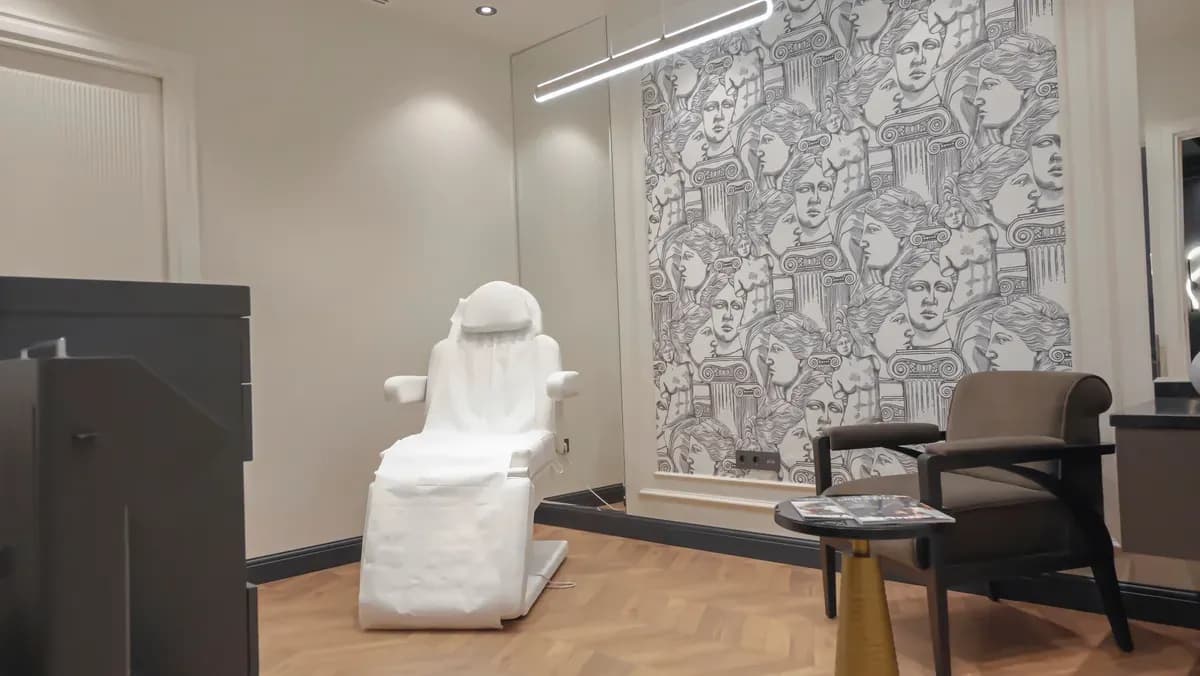
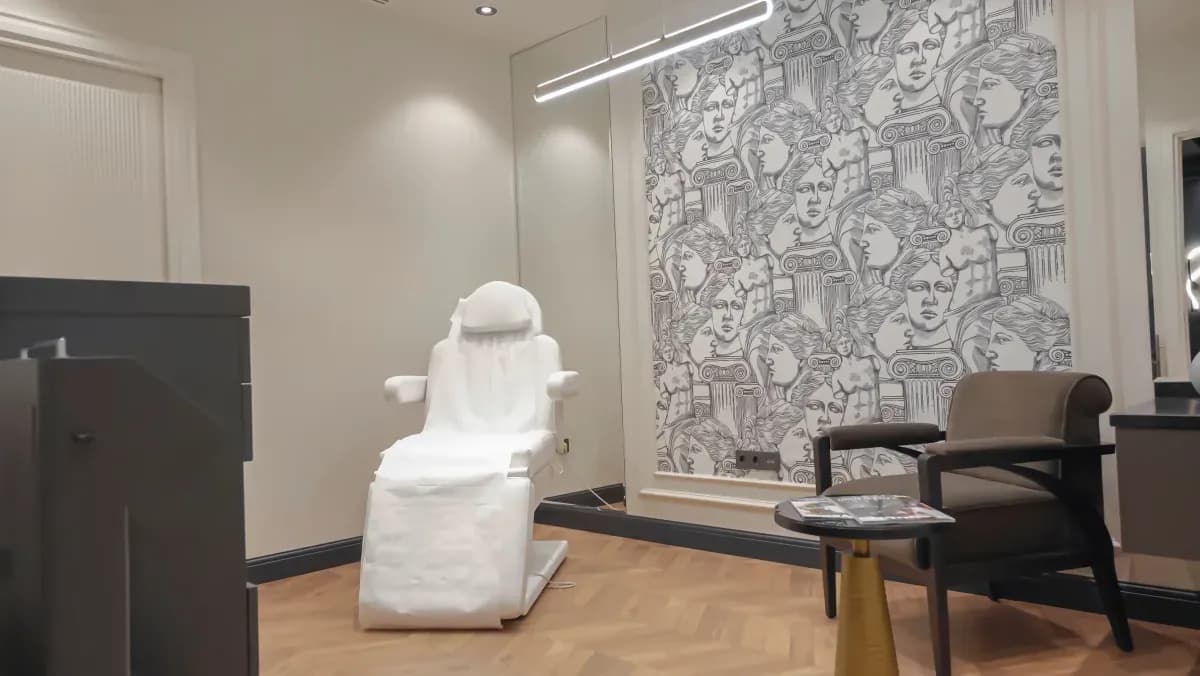
The practice in Ataköy 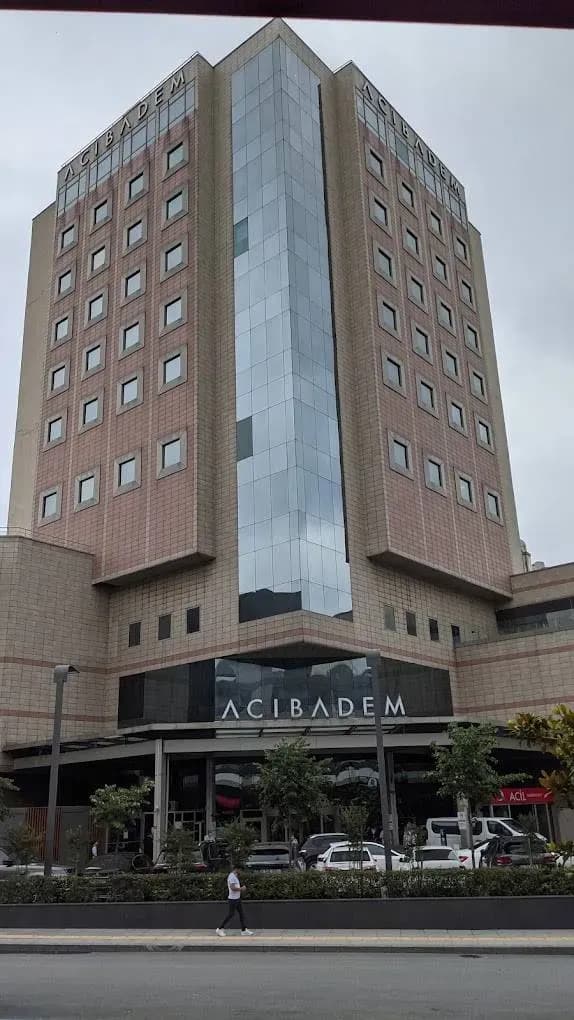
Acıbadem Bakırköy Hospital 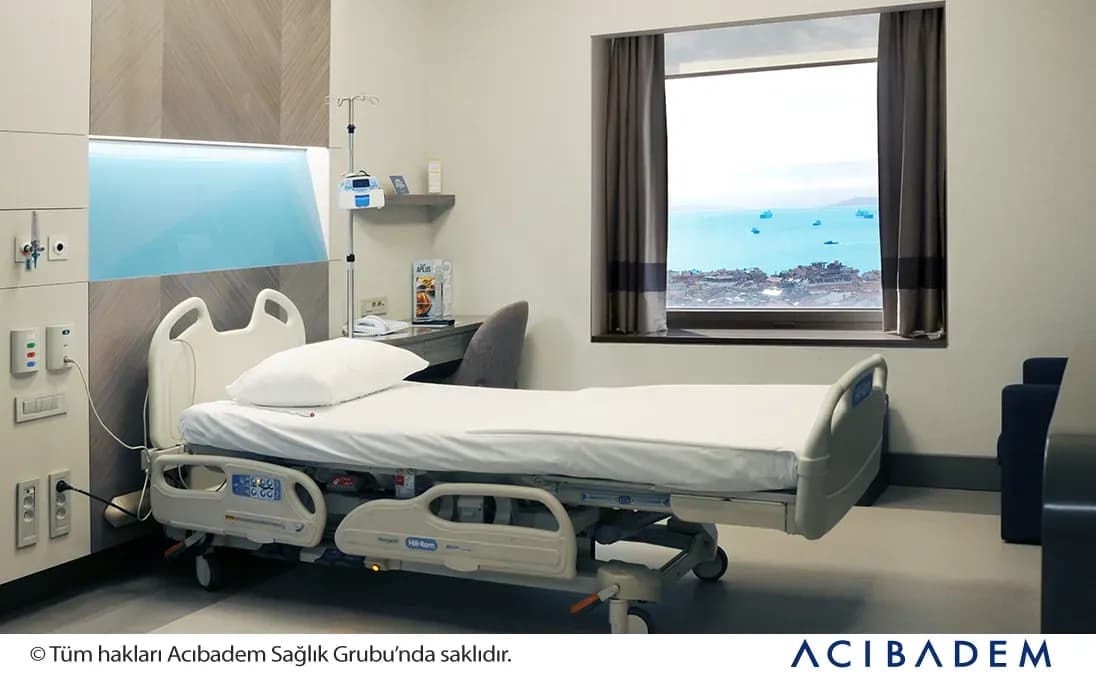
Patient room 
Hotel room, on request
Why is a revision more complex, and what are the risks?
A revision works on scar tissue, skin that may be thinner or less elastic, and cartilage that may already be used or missing. Cartilage grafts may be used in revisions when needed; Dr. Dilber decides this at the examination. Recovery is often longer than after a first operation, and swelling at the tip can take more time to settle. The final shape is assessed at around one year.
Any cosmetic surgery carries risks. For revision rhinoplasty they include bleeding, infection, numbness or altered sensation of the nose, a visible scar, breathing difficulty, asymmetry and the need for further surgery (ASPS). Dr. Dilber explains each risk at the consultation in Ataköy, before you agree to surgery.
Not every nose can be fully corrected. Heavy scarring, thin skin or limited support can restrict what another operation achieves. Dr. Dilber explains the realistic aim before you agree. You leave with written aftercare instructions and an operation summary in English and Turkish.
Recovery after revision rhinoplasty
Up and walking; leave hospital
When: Day 1, after one night
Splints and cast removed; fly home
When: Day 7 at the practice; fly home day 8
Back to work; sexual activity
When: Work from day 10; sexual activity after 1 week
Tapes removed at home
When: Day 14
Strenuous exercise
When: After 6 weeks
Protect the nose from knocks
When: Especially the first 6 months
Frequently asked questions
Dr. Dilber performs a revision at least one year after the previous operation, because the final shape can take a year or longer to settle. You do not need to wait to ask for a review. Send your photos and records at any point, and Dr. Dilber tells you what can be judged now and when surgery could be planned.
Yes. A revision is any operation after a previous rhinoplasty, wherever it was done. What matters is whether the tissue is expected to heal well and what can realistically be improved. Send the operation report from your previous surgeon if you can get it, with photos from before and after that operation.
Cartilage grafts may be used in revisions when needed. Whether you need one depends on how much support your nose has after the earlier surgery, which photos alone cannot show. Dr. Dilber decides after examining you in Ataköy the day before surgery and explains the plan, including any effect on your recovery, before you agree.
Internal splints with small airways let you breathe through the nose once the anaesthetic wears off, and sneezing and coughing are fine. Do not blow your nose until Dr. Dilber removes them on day 7; then use saline spray 3 times a day for one month. Facial swelling settles within about 2 weeks, and full settling takes up to a year. If breathing gets worse instead of better, send a message on WhatsApp so Dr. Dilber can review it.
A second opinion is reasonable, especially after a difficult first operation. Send each surgeon the same records and photos, and describe your breathing and shape concerns in the same way, so the answers can be compared. Ask each one what can be changed, what cannot, and why. Dr. Dilber gives his view after reviewing your records.
A revision is planned case by case, so the cost depends on what needs correcting, whether breathing correction is needed and any combined procedure. After Dr. Dilber reviews your records and photos and decides you are suitable, you receive a written quotation. It covers surgery, anaesthesia, pre-operative tests, one night in hospital and follow-up checks; medication, hotel and transfer are not included.
Explore the practice
 About Dr. DilberTraining, hospital and how he works with patients from abroad.Read his profile →
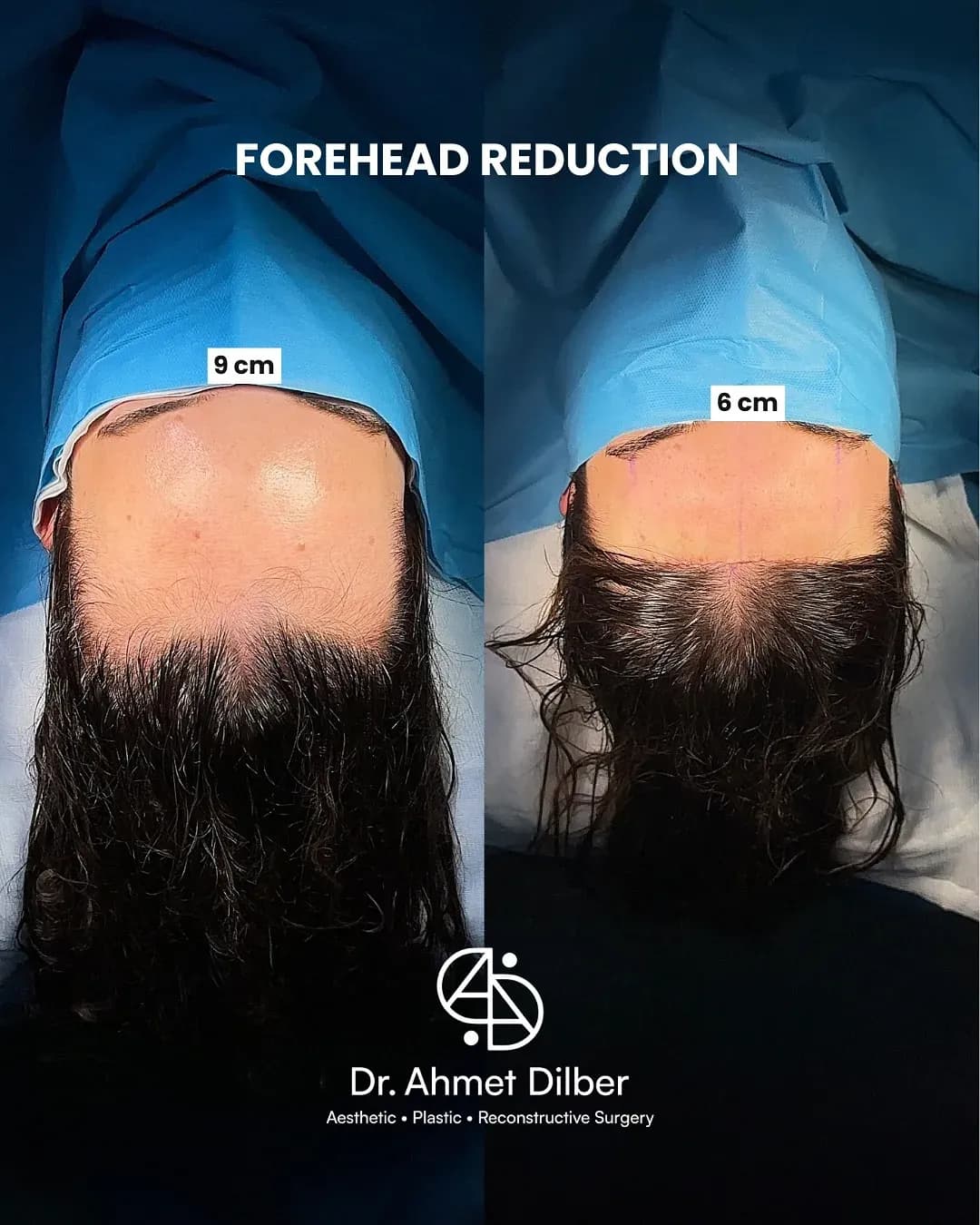 Before and after resultsBefore and after photos of Dr. Dilber's patients. Results vary.See the gallery →
 Patient guide (PDF)The guide we send every patient: timeline, medication, aftercare.Download the guide →
Send your records and photos. Find out what can be improved.
Send your previous operation report, current photos and a short note on your breathing. Dr. Dilber reviews them, and the team replies on WhatsApp with his view and the next steps.
